

Reviewed · ETHIOPIA
Taste of Addis: A Delicious 3-Hour Journey Ethiopian Flavors
The best part of this Addis Ababa food tour is the range packed into three hours. You move from injera and spicy stews to local beer, a spice stop, and the careful ritual of an Ethiopian coffee ceremony. It is a practical way to understand the city through what people eat and drink.
I like the hotel pickup and drop-off, especially in a large city where getting around can eat into a short visit. I also like that the food is not limited to one famous dish. You can try doro wat, tibs, kitfo, fresh juice, beer, and coffee while your English-speaking guide explains the customs behind them.
The main consideration is the short running time. Three hours gives you a satisfying introduction, but not a full survey of Addis Ababa’s food scene. The itinerary may include three food stops, while the included meal is described as food at two restaurants, so the exact balance of restaurants, vendors, and market visits can vary.
Key points at a glance
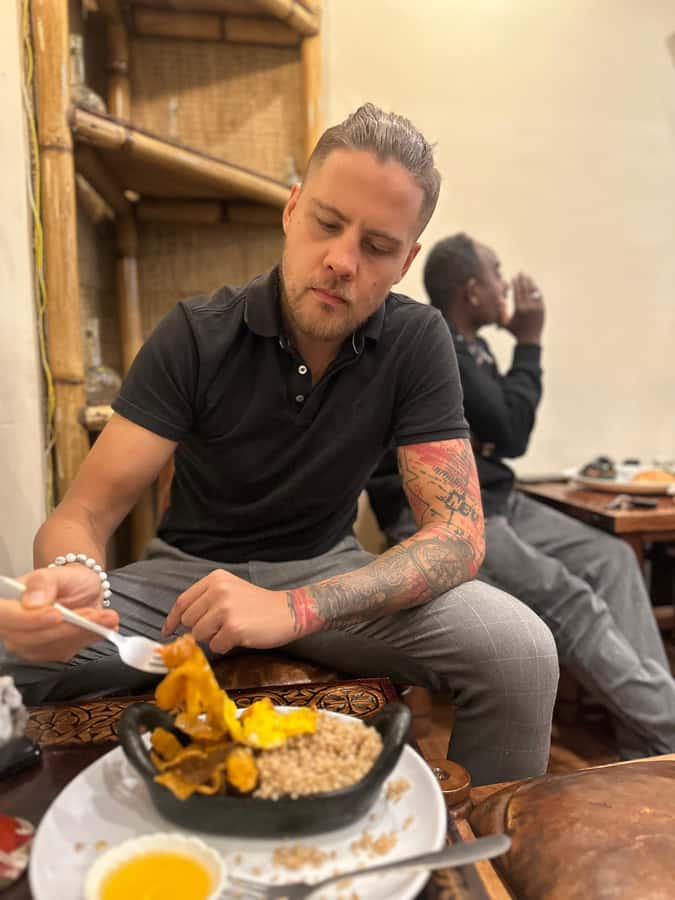
- Three hours of Ethiopian tasting: Sample injera, doro wat, tibs, kitfo, drinks, and coffee in one compact outing.
- A traditional coffee ceremony: See the coffee roasted, ground, and brewed before ending with Tomoka coffee.
- More than a restaurant meal: Depending on the schedule, you may visit a spice market or small local vendor.
- Drinks are part of the value: Fresh juice, unlimited beer and soft drinks, water, and coffee are included.
- Hotel transport is included: Pickup and drop-off make this easier to fit into a short Addis Ababa stay.
- A strong introduction for first-time visitors: The guide connects the food to Ethiopian culture, hospitality, and daily life.
Why three hours works well in Addis Ababa

At $47 per person, this is priced as a guided introduction rather than a simple lunch. You are paying for transportation, an English-speaking guide, food, drinks, water, and a coffee experience. That bundle matters in Addis Ababa, where arranging several food stops on your own could mean spending time finding places, working out transport, and guessing what to order.
I see the three-hour length as a strength for most visitors. It fits neatly into a day of sightseeing and gives you a useful first taste without turning the entire day into a meal. If you have only a few days in Addis Ababa, this can help you get oriented quickly.
It is also a good choice if Ethiopian food is unfamiliar to you. The guide can explain how to approach dishes, how injera is used, and why coffee is treated as a social ceremony rather than just a quick drink. You get context along with the plates.
Still, the compact schedule has limits. Food tours work best when you have time to linger, ask questions, and let each stop unfold. Here, you should expect a brisk sequence of tastings. The tour is designed to sample broadly, not to sit for hours at one restaurant.
Other Ethiopia days people book alongside this one:
- Full Day Tour of Addis Ababa with Hotel Pickup and Drop-off
★ 5.0 · 430 reviews - Taste of Ethiopia
★ 5.0 · 406 reviews - Day Trip From Addis Ababa See Historical Monastery,Stunning Nature,Animals,Birds
★ 5.0 · 303 reviews
Starting with injera and Ethiopia’s shared table
Injera is likely to be the first key to understanding the meal. This soft, sour flatbread is both food and utensil. Stews, meats, and vegetables are served on top, and you tear off pieces of injera to scoop them up with your right hand.
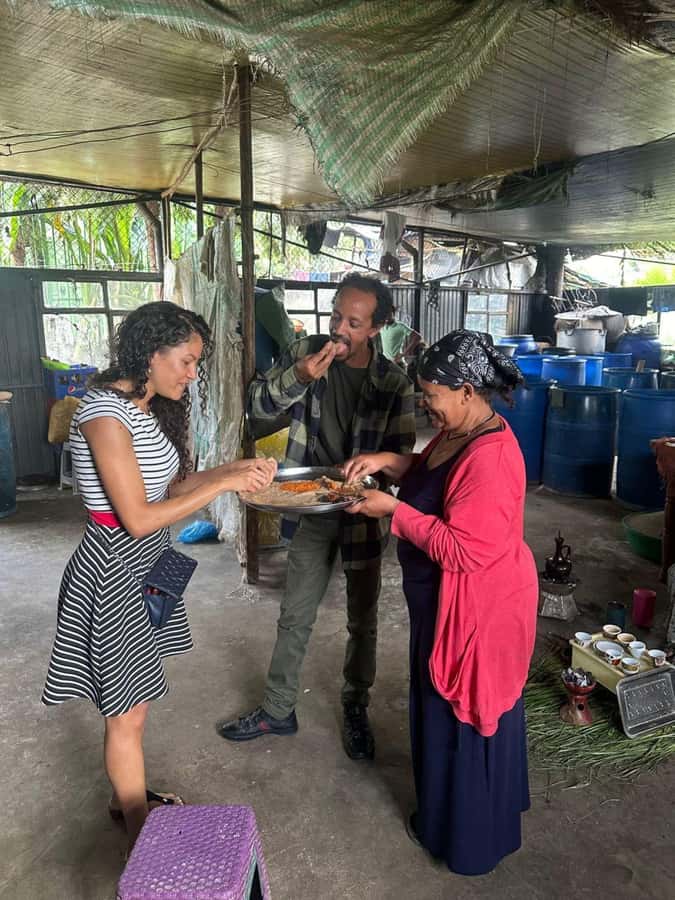
The tour includes an opportunity to see or take part in injera baking, which adds something a plate alone cannot provide. Watching the batter become a large, flexible flatbread helps explain its texture and flavor. It also gives the food a sense of place, rather than presenting it as an unfamiliar item on a menu.
For a first-time eater, injera can be surprising. Its sour note is part of the point, and it works especially well with strongly seasoned dishes. I would approach this stop with curiosity rather than expecting bread in the European sense.
The shared style of eating is important, too. Ethiopian meals often encourage conversation and participation. Instead of receiving separate plates with neatly divided portions, you may find several foods arranged together, allowing you to compare flavors as you eat.
Doro wat, tibs, and kitfo on the plate
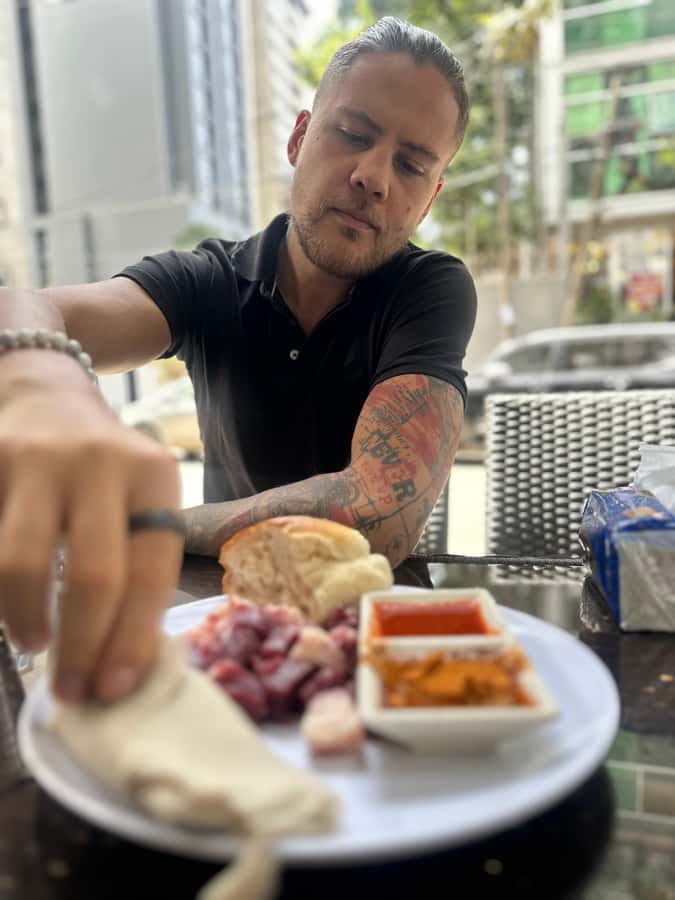
The main food portion brings together some of Ethiopia’s best-known dishes. Doro wat is a spicy chicken stew, usually recognized for its deep seasoning and warming heat. It is one of the dishes that shows how much flavor Ethiopian cooking can build from spices and slow cooking.
Tibs gives you a different experience. This sautéed meat dish is more direct, with the taste and texture of the meat playing a larger role. Comparing tibs with doro wat is useful because the two dishes show different sides of the cuisine, one centered on a thick stew and the other on sautéed meat.
Kitfo is the dish that may require the most preparation. It is minced beef served raw or cooked, so the exact presentation matters to you as a diner. If you are cautious about raw meat, ask the guide or restaurant about the cooked option before eating it. The tour description specifically includes both possibilities, but it does not promise which version you will receive.
The advantage of this selection is variety. You are not simply eating one familiar dish in a new setting. You are trying different textures, cooking methods, and levels of spice, with the guide adding cultural background as you go.
Food at two restaurants is included, while the wider plan refers to three food stops. That suggests the day may combine restaurant meals with a smaller tasting or vendor visit. I would not book this expecting three full restaurant meals. Instead, think of it as a guided sequence with a proper meal included and additional tastes around it.
A stop for spices and local goods

Depending on the schedule, the tour may include a local spice market or small vendor. This is one of the most useful parts for anyone who wants to understand why Ethiopian food tastes so distinctive.
Spices are not just decoration here. They give dishes their color, heat, aroma, and depth. At a market or small shop, you may see the ingredients in a more ordinary setting than a restaurant allows. The point is not only to buy something, but to connect the finished dish with the raw products used in local kitchens.
The exact market stop is not fixed, so you should treat it as a possible feature rather than a guaranteed centerpiece. That flexibility may be helpful because the guide can fit the stop to the day’s route. It also means the experience may differ slightly from one departure to another.
I like the inclusion because it keeps the tour from becoming a string of restaurant tables. You get a brief look at the neighborhood and the everyday shopping side of Addis Ababa. For a visitor who wants local products or spices to take home, this can also help you recognize what you are seeing.
Same country, a very different kind of day:
- Addis Ababa: Debre Libanos, Blue Nile Gorge, and Cave Tour
★ 4.5 · 256 reviews - Addis Ababa Guided City Tour With Airport & Hotel Pick Up
★ 5.0 · 237 reviews - Breathtaking Nature, Wildlife and Cave Church Tour – Free Pickups
★ 5.0 · 225 reviews - Full-Day Private City Tour of Addis Ababa
★ 5.0 · 147 reviews
Beer, fresh juice, and soft drinks
The drink selection makes this tour more generous than the price might first suggest. Fresh juice, unlimited beer and soft drinks, and water are included, so you do not need to keep calculating the cost of each tasting.
Local beer is part of the experience, and it gives you another way to compare Ethiopian tastes beyond food. The information does not specify which beer brands are served, so I would not choose the tour based on a particular label. The value is in trying a local drink alongside the meal.
Fresh juice offers a nonalcoholic option, while soft drinks keep the beverage choices simple for those who do not want beer. Water is included, which is welcome during a meal built around spice and several tastings.
The phrase unlimited beer and soft drinks should still be read in the practical spirit of a hosted food tour. It means drinks are covered during the experience, not that the outing is meant to become a long drinking session. The focus remains food, culture, and conversation.
The coffee ceremony and Tomoka finish
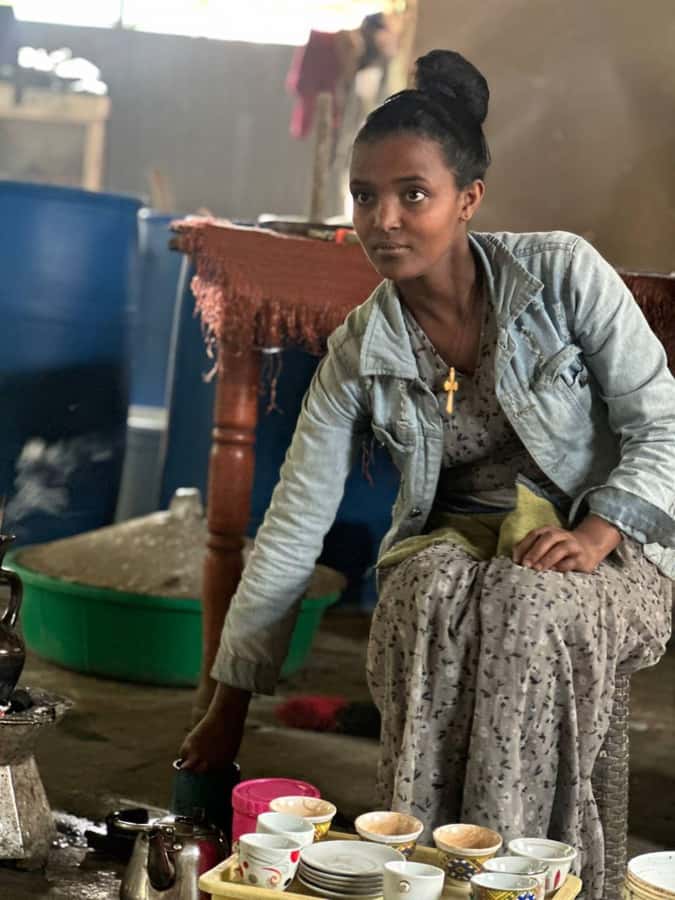
Ethiopian coffee deserves the final word, and this tour gives it proper attention. The ceremony includes roasting, grinding, and brewing, allowing you to watch the process from start to finish.
That slower preparation changes the mood of the tour. Earlier stops focus on sampling several foods and drinks. The coffee ceremony asks you to pause and notice the method, aroma, and social meaning of the drink. It is a strong ending because coffee is not treated as an afterthought.
The final cup is Tomoka coffee, a well-known local coffee stop named specifically in the tour details. You also receive coffee as part of the included drinks, so this is more than a rushed cup grabbed after lunch.
For me, this is one of the most appealing parts of the experience. A standard food tour might end when the main dish is cleared. Here, the coffee ceremony gives the meal a cultural closing point and lets the guide explain an important Ethiopian custom.
You should be aware that coffee ceremonies take time, even in a short tour. If you prefer to move quickly from one tasting to the next, this pause may feel slow. If you enjoy seeing how food and drink fit into local life, it is likely to be one of the most memorable stops.
The guide and the human side of the tour
The guide is central to the experience. The tour is conducted in English, and the guide explains the dishes, the food traditions, and aspects of Ethiopian history and culture as you eat.
One useful detail comes from the way the team handled a short Addis Ababa visit. The guide was described as a travel and culture influencer with strong filming and photography skills. If your guide on the day is the same person, you may get help capturing food, market scenes, or the coffee ceremony, which is a nice bonus for solo visitors.
The owner of Liyu Ethiopia Tour and Travel also checks in before and after the trip. That suggests a more attentive operation than a hands-off booking, though the actual guide’s name is not provided. I would confirm the guide’s name and meeting details when you book if that matters to you.
An English-speaking guide is especially useful here because food customs can be easy to miss. You can ask about spice levels, cooked or raw kitfo, how to eat with injera, and the meaning of the coffee ceremony instead of trying to work it out silently.
Transport, timing, and what to expect
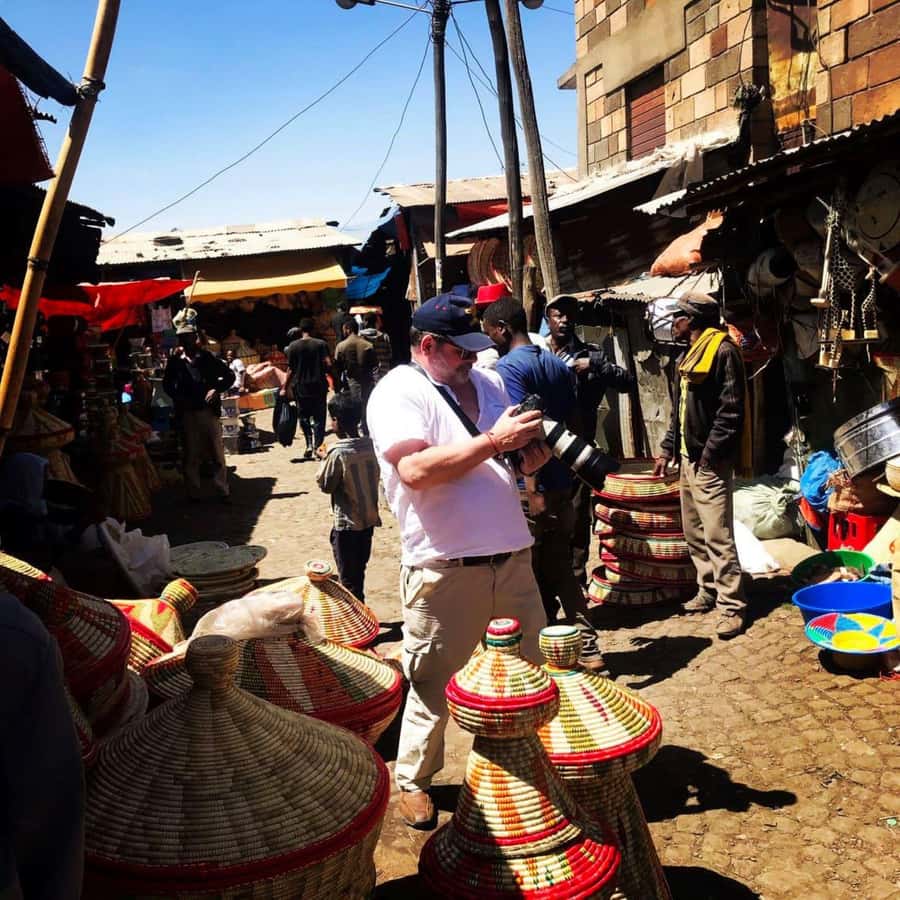
Hotel pickup and drop-off are included, along with transportation during the tour. That is a real advantage in Addis Ababa, especially if you are staying in a hotel and want a simple start and finish.
The tour lasts three hours, so expect the schedule to be organized. You will move between food stops, possible spice or vendor visits, and the coffee ceremony without a long free period. Wear something comfortable and arrive ready to eat more than one substantial tasting.
The exact route and restaurant names are not given. The tour visits handpicked restaurants and may include a market or vendor, but you should not expect a fixed public itinerary with every stop guaranteed in advance. If you have allergies, dietary restrictions, or strong preferences about raw meat, tell the operator before the day.
The experience is offered in English. Reserve now and pay later is available, and cancellation up to 24 hours in advance brings a full refund. Those terms are helpful if your Addis Ababa schedule is still changing.
Who will get the most from this tour

I would recommend this experience most strongly to first-time visitors who want a quick, guided introduction to Ethiopian cooking. It also suits solo visitors who would rather have transport and ordering handled for them.
Food lovers should appreciate the range: injera, doro wat, tibs, kitfo, spices, beer, juice, and coffee all appear within one short outing. Culture-focused visitors will get more from the market possibility and coffee ceremony than from a standard restaurant lunch.
It is less suited to someone looking for a long, slow dinner or a detailed tour of every food district in Addis Ababa. The three-hour format is an introduction, not an exhaustive food study. It is also not the best fit if you want full control over every dish and drink.
At $47, I consider the price fair because it includes transport, a guide, food at two restaurants, drinks, water, and coffee. The value improves if you use the hotel pickup and sample the included beer, juice, and soft drinks. If you would normally arrange your own taxi and pay for a similar meal and coffee experience, the package becomes more attractive.
Should you book Taste of Addis?
Book this tour if you want to understand Addis Ababa through its food without spending a full day planning restaurants. The combination of Ethiopian staples, local drinks, a possible spice stop, and a proper coffee ceremony gives you a useful first taste of the city.
I would especially choose it early in a short stay. It can help you learn what you like before ordering other Ethiopian meals on your own. Keep your expectations realistic: the route may vary, and three hours cannot cover everything.
Skip it only if you prefer independent dining, need a highly fixed itinerary, or want a long restaurant-focused meal. For most curious eaters, $47 is a sensible price for the food, transport, drinks, and cultural explanation packed into one afternoon.
FAQ
How long does the Taste of Addis tour last?
The tour lasts three hours.
Where does the tour take place?
It takes place in the Addis Ababa metropolitan area of Ethiopia.
What food can I expect to taste?
The tour includes Ethiopian dishes such as injera, doro wat, tibs, and kitfo, along with other local foods.
Is kitfo served raw or cooked?
Kitfo may be served raw or cooked. The tour information includes both possibilities but does not specify which version is provided on a particular departure.
How many restaurants are included?
Food at two restaurants is included. The experience also describes three food stops, which may include a small vendor or another tasting stop.
Is a coffee ceremony included?
Yes. The tour ends with a traditional Ethiopian coffee ceremony showing the roasting, grinding, and brewing process. Tomoka coffee is also included.
Are drinks included in the price?
Yes. Fresh juice, unlimited beer and soft drinks, coffee, and water are included.
Is hotel transportation provided?
Yes. Hotel pickup and drop-off, as well as transportation during the tour, are included.
What language is the tour offered in?
The tour is offered in English with an English-speaking guide.
Can I cancel the booking?
You can cancel up to 24 hours in advance for a full refund. Reserve and pay later is also available.
Just added around Ethiopia
- Yod Abyssinia Cultural Night: Dinner, Music, and Dance★ 5.0 · 7 reviews
- 2 days Tigray Church★ 5.0 · 3 reviews
- 3 days tour Danakil Depression (Dallol & Erta Ale)★ 4.0 · 5 reviews
- Trekking in Ethiopia’s Lalibela Wollo Highland 4 Days / 3 Nights★ 5.0 · 6 reviews
- 2 Days Dallol Trip★ 5.0 · 4 reviews
- The Rock-Hewn Churches of Lalibela: 3 Days / 2 Nights★ 5.0 · 6 reviews
- Lalibela Backpacker tours★ 5.0 · 6 reviews
- Lalibela churches Guided Tour★ 5.0 · 6 reviews