
Reviewed · HIKING & TREKKING
Trekking in Ethiopia’s Lalibela Wollo Highland 4 Days / 3 Nights
The best part of this four-day trek is that it takes you beyond Lalibela’s famous rock-hewn churches and into the Wollo Highlands, where daily life unfolds in rural villages. You walk from Flakit toward Mekuat Maryam, Meskel, Wajela, Gala Dejen, and Aterow, with guide Maereg helping you understand local culture, history, and village life.
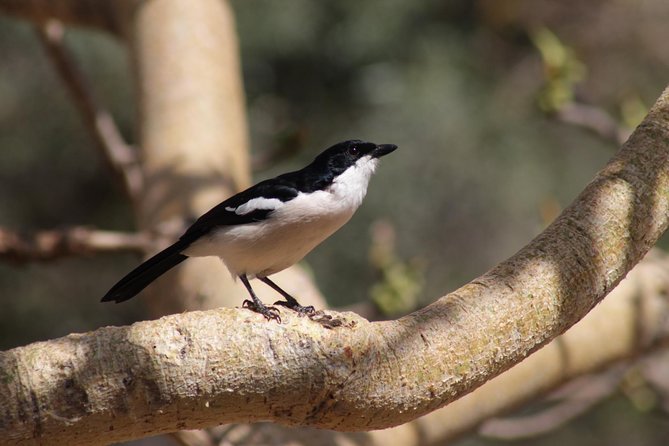
I like the direct contact with communities, and I like that the trip uses community guesthouses rather than keeping you in a standard hotel bubble. The chance to see gelada baboons and highland birds is another strong point. The main thing to consider is that this is a real multi-day hike, with several three-hour walking sections, simple accommodation, and no bottled water included.
Key points at a glance
- Four days on foot from Lalibela: You start with breakfast in Lalibela, then drive about two hours to Flakit before walking into the highlands.
- Community guesthouses: Overnight stops are described at Mekuat, Wajela, and other rural locations, giving you close contact with village life.
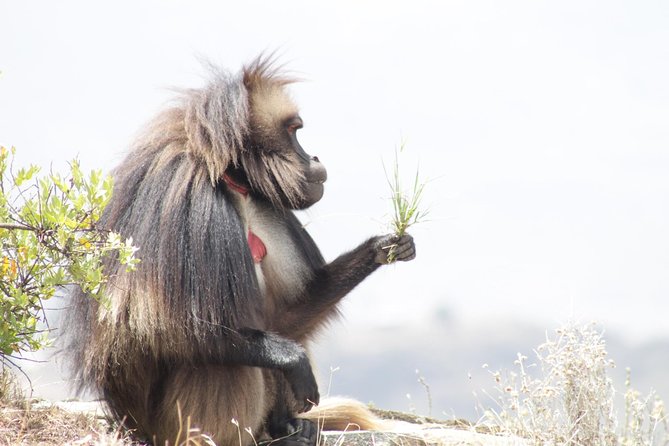
- Geladas near Meskel: The second day includes a chance to see Ethiopia’s distinctive gelada baboon, along with different bird species.
- High-altitude walking: Mekuat Maryam sits at about 2,820 meters above sea level, so the route requires steady fitness.
- Private guiding with Maereg: Only your group takes part, allowing the pace and conversation to suit your party.
- Meals and transport included: Breakfast, lunch, dinner, snacks, and private transportation are included, while bottled water and alcohol are not.
Leaving Lalibela for the Wollo Highlands
Your morning begins with breakfast in Lalibela, followed by a private drive of about two hours to Flakit. The listed start time is 10:00 a.m., with the meeting point given at Lalibela Airport in Girany Amba. Since the route begins outside town, this transfer matters. You are not spending the first day walking straight from your hotel.
The drive creates a clear change of scene. Lalibela is known for its celebrated churches and steady stream of visitors, while the route into the Wollo Highlands leads toward rural communities and open highland scenery. If you have already seen Lalibela’s churches, this trip gives you a different view of the area and of Ethiopia itself.
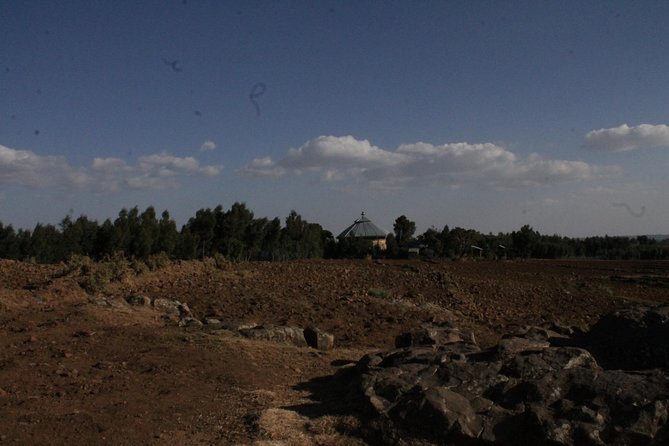
After the drive, the walking begins. You stop for lunch at Warkahye, then hike for about three hours to Mekuat Maryam. That first walk is not just a warm-up. You gain altitude and finish at Mekuat Maryam, which sits on a plateau promontory at roughly 2,820 meters.
That height is worth taking seriously. You do not need to be an elite mountaineer, and the booking information says most participants can take part, but several days of walking at high elevation can feel demanding. Go at a steady pace, use the snacks provided, and tell Maereg early if you need a slower rhythm.
A few more Lalibela trips to weigh up
- 3-days Scheduled Lalibela Churches & Abune Yosef Trekking
★ 5.0 · 7 reviews - Day Hike Around Lalibela
★ 5.0 · 5 reviews - Lasta Mountains: Highland Eco Trekking Tour in Lalibela
★ 5.0 · 4 reviews
Mekuat Maryam and the first community overnight
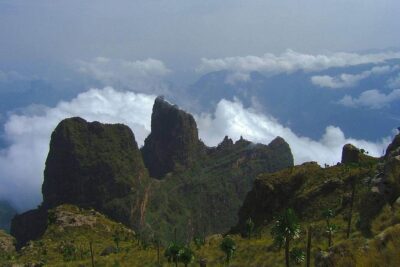
Mekuat Maryam is a strong first destination because of its position above the surrounding country. The site sits on a promontory, so the setting itself is part of the experience. You are not simply ticking off a religious or cultural stop. You are arriving on foot through the highlands and seeing how villages connect with the land around them.
The overnight stay is at a community guesthouse. This is one of the most meaningful features of the trip, but it also sets your expectations. A community guesthouse is not the same as a city hotel. The appeal is the chance to stay within rural communities and support local participation in tourism. The trade-off is simpler lodging and fewer standard comforts.
Dinner is included, and the food is described as simple. That is a useful detail for anyone expecting a long restaurant menu or familiar Western dishes. Meals are part of the local setting rather than a separate luxury service.
I would confirm before departure exactly what bedding and washing facilities are available at each guesthouse. The route description names community guesthouses, but the inclusions list specifically names meals, snacks, and transportation rather than separately spelling out accommodation. That does not necessarily mean lodging is excluded, but it is worth clarifying before you pay.
Day two: Meskel’s birds and gelada baboons
Day two starts with breakfast at the Mekuat community guesthouse. You then hike for about three hours to Meskel. This is the day with the clearest wildlife focus, and it may become the highlight for anyone interested in Ethiopia’s highland fauna.
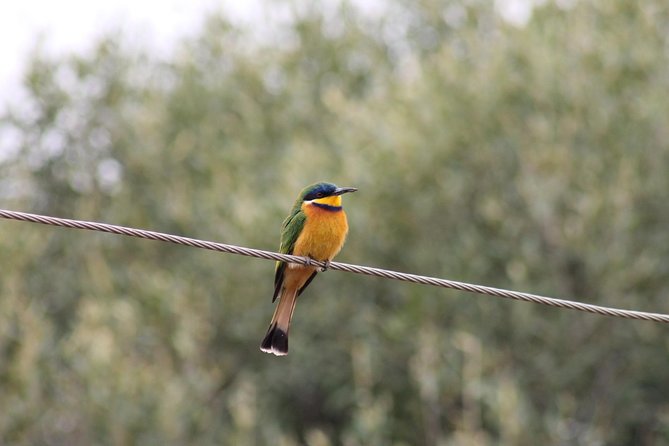
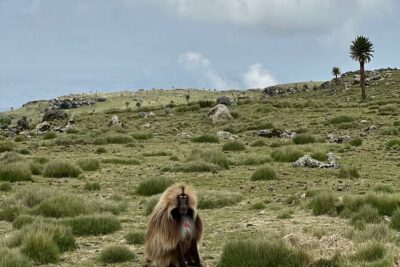
Around Meskel, you may see different bird species and the gelada baboon, one of Ethiopia’s endemic mammals. Geladas are especially associated with the country’s high plateaus, so seeing them in their natural setting adds something that a church tour cannot provide. Keep your eyes open during the walk and around the stop, since wildlife sightings are never guaranteed.
Lunch is served at Meskel. Afterward, you continue for about two and a half hours to Wajela. The walking distances are manageable on paper, but the repeated climbs, altitude, heat, and rough ground can make each section feel longer than the clock suggests.
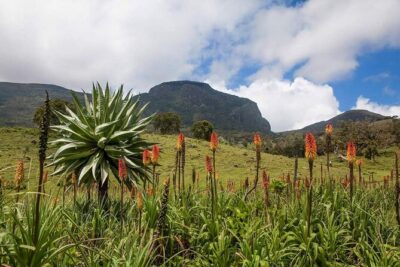
Wajela is noted for its beautiful acacia woodland. The vegetation gives this stop a different character from the exposed highland sections around Mekuat Maryam. You spend the night at a community guesthouse and have dinner there.
The route’s appeal comes from these changes in setting. One day brings high open ground and a wildlife search. Another brings acacia trees and village life. You are seeing the region at walking pace, which lets small details register: the shape of the paths, the location of homes, and the way settlements fit into the highland terrain.
Day three from Wajela to Gala Dejen and Aterow
After breakfast at the Wajela community guesthouse, the third day continues with a three-hour hike to Gala Dejen. Lunch is served there, followed by another three-hour hike to Aterow.
This is the most clearly demanding day in the published route details because it contains two substantial walking blocks separated by lunch. You should treat it as a full trekking day rather than a sightseeing transfer. Comfortable walking shoes, sun protection, and a small day bag will make a real difference.
Gala Dejen functions as the midday stop, while Aterow is the later destination. The available trip information does not provide the same level of detail about sights at these two places as it does for Meskel and Wajela. That is not a reason to dismiss them. On a community trek, the walking between named villages is part of the point, not empty time between attractions.
The supplied description cuts off after the arrival at Aterow, so the exact schedule for day four is not stated. I would ask the operator to confirm the final day’s walking distance, destination, transport arrangements, and return time before booking. That is especially important if you have a flight, airport transfer, or other fixed plan after the trek.
Same country, a very different kind of day:
- Visiting Lalibela churches
★ 5.0 · 40 reviews - Visit the rock hewn churches
★ 5.0 · 39 reviews - Tour 11 monolithic rock churches & museum in Lalibela & cave church with mummies
★ 5.0 · 37 reviews - Lalibela, Axum, Danakil and Omo Valley 8 DAYS
★ 5.0 · 29 reviews
What the community format adds
This experience is built around working with communities rather than simply passing through them. That can bring more personal contact and a better sense of ordinary life in the area. You may see how people live, learn about local customs, and gain context for the villages and highland routes.
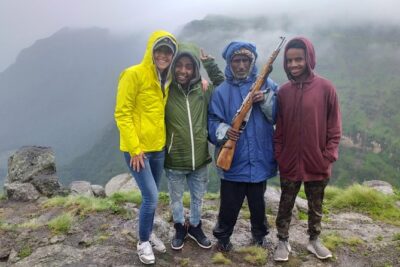
Guide Maereg is central to that connection. The supplied comments repeatedly praise his warmth, cultural explanations, and ability to answer questions about Ethiopia. One useful point for first-time visitors is that the guide is not only there to lead the walking route. He also helps explain the country’s history and the people living in the Wollo region.
The private format improves this part of the trip. Only your group participates, so you are not tied to the pace of a large mixed party. A private guide can also make it easier to stop for questions, adjust the rhythm, or spend more time watching birds or geladas.
There is a limit, though. Community-based travel does not mean every moment will be polished or predictable. Guesthouse standards may vary, and the food is simple. You should choose this trip because you want a closer connection with rural Ethiopia, not because you want a controlled resort-style program.
Is $500 a fair price?
At $500 per person, the value depends on what you want from a four-day experience. The price includes breakfast, lunch, dinner, snacks, and private transportation. It also gives you a private tour and a guide for a multi-day route through rural communities.
That is a reasonable package for someone who values local guiding and organized transport. Arranging the route alone would require finding transport to Flakit, linking several rural stops, organizing meals, and working out community guesthouse stays. The private format also gives you more control than a budget group departure.
Still, check the details behind the headline price. Bottled water is not included, and alcohol is excluded. Accommodation is described in the route, but the formal inclusions do not list it in the same way as meals and transport. Ask whether the guesthouse nights are included in the $500 and what you should bring for them.
The cost is most worthwhile if you are already planning to visit Lalibela and want more than the churches. It is less compelling if you only have a short stay, dislike basic accommodation, or want guaranteed wildlife sightings. Four days is a meaningful commitment, and the value comes from the whole route rather than one single attraction.
What to pack and how to prepare
The available details do not provide a full packing list, but the route makes several items sensible. You will want sturdy walking shoes, light layers, sun protection, and a refillable water container. Since bottled water is not included, ask how drinking water is handled and plan accordingly.
You should also bring any personal items you need for a simple overnight stay. The guesthouses are community properties, and the trip is not presented as a luxury trek. A small bag is easier to carry than a large suitcase, especially when moving between rural stops.
Fitness matters more than technical hiking skill. The route includes multiple three-hour walks, a two-and-a-half-hour section, and high-altitude walking near Mekuat Maryam. Most people can participate according to the activity information, but you should be comfortable walking for several hours on consecutive days.
Good weather is required. If poor weather forces cancellation, you are offered another date or a full refund. You can cancel for a full refund up to 24 hours before the 10:00 a.m. start time. Cancellations or changes within 24 hours are not refunded or accepted.
Who should book this trek?
I would recommend this trek to you if you want to combine Lalibela with rural walking, village contact, and a chance to see highland wildlife. It suits people who enjoy simple guesthouses, direct conversation, and a slower route through the countryside.
It is also a good fit for first-time visitors to Ethiopia who want a guide able to explain more than directions. Maereg’s role includes cultural and historical interpretation, which can help you make sense of the people and places you encounter.
I would hesitate if you need hotel-level comfort, bottled water included at every stage, or a detailed hour-by-hour program. The final day details are not available in the supplied information, so you should get that part confirmed. I would also think twice if you are not comfortable with three-hour walking sections at altitude.
Service animals are allowed, the meeting point is near public transportation, and the activity is listed as suitable for most participants. Those details help, but they do not remove the need to ask practical questions about guesthouse access, route conditions, and the final day.
Should you book the Lalibela Wollo Highland trek?
Book it if your best travel memories come from walking through real communities, eating simple local meals, and learning about a place from a local guide. The combination of Mekuat Maryam at 2,820 meters, Meskel’s gelada baboons, Wajela’s acacia trees, and the private guidance of Maereg gives this trip a clear sense of place.
Skip it if your priority is comfort, short walks, or a tightly specified schedule. Before paying, confirm the day four plan, guesthouse arrangements, and drinking water. For the right kind of visitor, this is a strong way to add four purposeful days to a Lalibela visit.
FAQ
Where does the trek start?
The activity starts at Lalibela Airport, listed at XXHM+6MG, Girany Amba, Ethiopia.
What time does the trek begin?
The listed start time is 10:00 a.m.
How long does the experience last?
The trek lasts four days and three nights.
Is this a private tour?
Yes. Only your group takes part in the activity.
Who is the guide?
The guide identified in the supplied information is Maereg. One comment spells the name as Maureg, but the provider’s responses use Maereg.
What meals are included?
Breakfast, lunch, dinner, and snacks are included.
Is bottled water included?
No. Bottled water is not included.
Is private transportation included?
Yes. Private transportation is included, including the drive from Lalibela toward the trekking route.
Can I see wildlife during the trek?
The Meskel section offers a chance to see different bird species and gelada baboons. Sightings are not guaranteed.
What happens if the weather is poor?
The experience requires good weather. If it is canceled because of poor weather, you are offered a different date or a full refund.
Just added around Lalibela
- The Rock-Hewn Churches of Lalibela: 3 Days / 2 Nights★ 5.0 · 6 reviews
- Lalibela Backpacker tours★ 5.0 · 6 reviews
- Lalibela churches Guided Tour★ 5.0 · 6 reviews
- Lalibela 2-Day Eco Trekking Tour★ 5.0 · 3 reviews
- Lasta Mountains: Highland Eco Trekking Tour in Lalibela★ 5.0 · 4 reviews
- Lalibela Churches Day Tour★ 5.0 · 7 reviews
- Full Day Tour To The 11 Rock Hewn Churches Of Lalibela★ 5.0 · 5 reviews
- Day Hike Around Lalibela★ 5.0 · 5 reviews
Hiking & Trekking, compared.
5-Day Northern Ethiopia Tour : 3D Simien Mountains Trek & Axum.
Read our review →
4 Days Trekking to Simien Mountain National Park
Read our review →
3-days Scheduled Lalibela Churches & Abune Yosef Trekking
Read our review →Browse the lists this tour appears in