
Reviewed · ROCK HEWN CHURCH TOURS
Lalibela Churches Day Tour
The remarkable thing about Lalibela is that its churches were not built on the volcanic rock. They were cut down into it. On this private day tour, you walk through courtyards, narrow passages, caves, and underground tunnels while your guide explains how these 12th-century sanctuaries took shape.
I like the private format, which gives you room to pause at carvings, ask questions, or move at your own pace. I also like the blend of sacred sites and living culture: a traditional coffee ceremony, local honey wine, and live music keep the day from feeling like a string of stone buildings.
The main drawback is the length and structure. You will cover several church groups in one day, with the first visit beginning at 8:30am and the later visits scheduled after lunch at about 2:00pm. That makes for a full outing, and the tour does not include breakfast, dinner, alcoholic drinks, or personal expenses.
Key points to know before booking
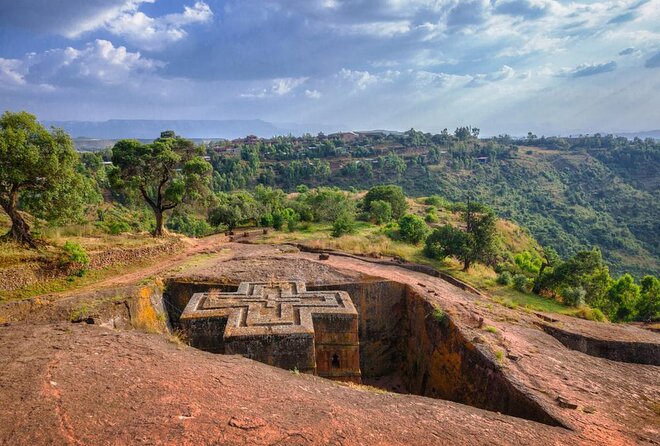
- The churches are cut from living volcanic tuff: You walk around and below the buildings, not simply through freestanding monuments.
- The day covers all three church groups: The route includes Bet Medhane Alem, Bet Maryam, Bet Gabriel-Rufael, Bet Merkorios, Bet Amanuel, Bet Abba Libanos, and other named churches.
- Underground passages are part of the experience: The tunnels connect churches, caves, and tombs, adding a physical sense of how the site was planned.
- Private touring gives you control: Your group travels alone, so you can spend more time where your interest is strongest.
- The cultural portion adds welcome variety: Ethiopian coffee, honey wine, and traditional music follow the church visits.
- The practical package is simple: Pickup, bottled water, an air-conditioned vehicle, entrance fees, and an English-speaking guide are included.
Why Lalibela’s churches feel different from ordinary sights
Lalibela is often called Ethiopia’s holiest town, and the name makes more sense once you see how the churches occupy the ground. They are carved into volcanic tuff, with walls, pillars, windows, roofs, and interior spaces shaped from one continuous mass of stone.
That means the first impression is not just architectural. You are looking down into excavated courtyards and walking along passages cut into the rock. Some churches sit below ground level, while others connect to narrow routes that lead into caves and tombs.
The site is recognized by UNESCO as a World Heritage location. That status matters, but the real value comes from seeing the construction up close. You can examine the arches and pillars, then look at the surrounding cuts in the rock and understand that the builders removed stone rather than stacking it.
Your guide is important here. A good explanation turns strange-looking cuts and tunnels into a plan. Joseph is the named guide associated with this experience, and the tour has been praised for his explanations, kindness, and generosity. If he is leading your day, you can expect the human side of the visit to matter as much as the facts.
More Rock Hewn Church Tours in Lalibela
- Visiting Lalibela churches
★ 5.0 · 40 reviews - Visit the rock hewn churches
★ 5.0 · 39 reviews - Lalibela churches , church museum & Yemrehan kirstose ( cave church)
★ 5.0 · 19 reviews
8:30am at Bet Medhane Alem and Bet Maryam
The morning begins at about 8:30am with the first group of churches. Bet Medhane Alem, meaning House of the Redeemer, is the largest church in this group. Its five aisles, 72 pillars, vaulted dome, and molded decoration give you plenty to study.
The scale is especially striking because the building is carved from the rock around it. You are not looking at a large church assembled piece by piece. You are seeing a space formed by cutting away the surrounding volcanic tuff.
Take your time here. The pillars and aisles are easy to rush past if you treat the visit as a quick photo stop, but the point is to notice how the parts relate to the solid rock. Your guide can help explain the construction and religious importance, which is useful because the design is not always easy to read at first glance.
Bet Maryam, or House of St. Mary, is described as the most decorated church among the rock-hewn group. It provides a useful contrast with Bet Medhane Alem. The first church gives you scale, while Bet Maryam gives you more surface detail and ornament.
This is one place where a private tour earns its keep. You can ask about a carving or stop to look closely without worrying about a large group moving on. You can also tell your guide if you want more architectural detail or more religious context.
The morning section includes Bet Meskel, Bet Danaghel, Bet Mikael, and Bet Golgotha as well. Each name points to a different part of the sacred complex, but the important thing for you is the changing experience of the route. You are not visiting isolated buildings. You are moving through a connected set of churches and passages.
Walking the passages beneath the volcanic rock
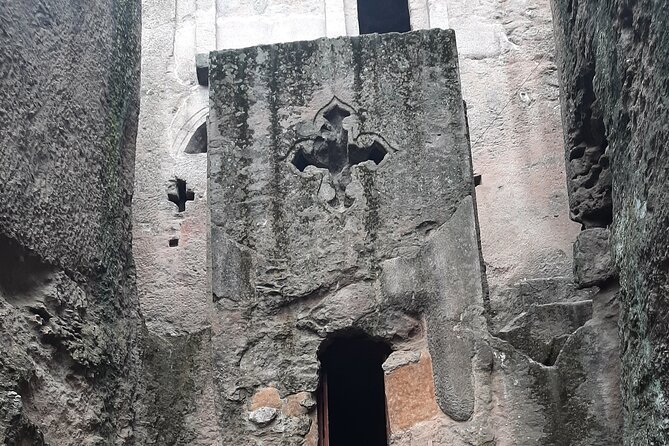
The underground tunnels are one of the most memorable parts of the day. They link churches with caves and tombs, and they make Lalibela feel like a planned sacred network rather than a collection of monuments.
The routes can be dark, narrow, or uneven, though the supplied tour information does not specify their exact condition. Wear practical shoes and expect to pay attention to your footing. This is not the moment for a rushed walk while looking only at a camera screen.
The passages also change your sense of distance. A church that seems separate when viewed from an open courtyard may be connected by a cut in the rock. That physical connection helps you grasp how the site worked as a place of worship and pilgrimage.
I would treat the tunnels as part of the main attraction, not a side feature. They give the visit a stronger sense of place than a standard church tour would. Still, if you dislike enclosed spaces or have trouble walking for much of a day, consider the demands before booking. The tour is suitable for most participants, but no detailed accessibility information is provided.
Afternoon visits to the second and third groups
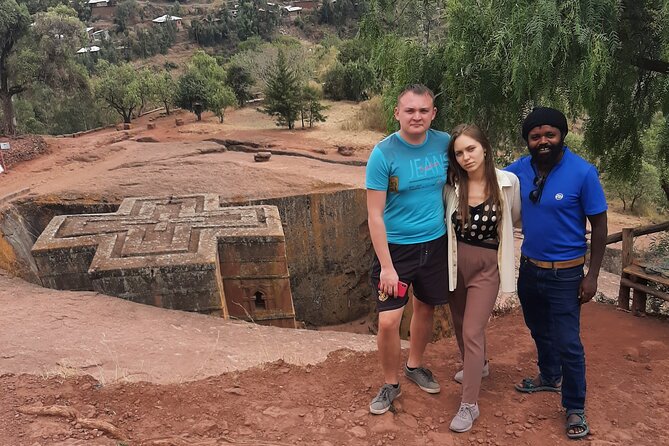
After lunch, the itinerary resumes at about 2:00pm with the second and third groups. These include Bet Gabriel-Rufael, Bet Merkorios, Bet Amanuel, and Bet Abba Libanos.
Bet Gabriel-Rufael and Bet Merkorios continue the pattern of churches connected by cut passages and excavated spaces. By this point, the morning’s explanation should help you look more closely. You will have a better idea of how to read a carved doorway, a pillar, or a courtyard cut into the rock.
Bet Amanuel is another important stop in the afternoon group. The tour description identifies it as one of the churches visited, though it does not provide a detailed architectural profile. That is a good reason to use your guide rather than relying only on a printed schedule. Ask what makes each church different and how the churches relate to one another.
Bet Abba Libanos completes the listed afternoon visits. The later timing has one benefit: you have already had time to understand the basic layout before reaching the final group. The drawback is that the afternoon section can feel long after a full morning on foot.
The itinerary says the total outing lasts about eight hours, while the tour summary gives a range of eight to nine hours. Plan your day around the longer figure. Exact pacing can depend on how much time your group spends inside the churches, in the tunnels, and at the cultural stops.
Same country, a very different kind of day:
- Tour 11 monolithic rock churches & museum in Lalibela & cave church with mummies
★ 5.0 · 37 reviews - Lalibela, Axum, Danakil and Omo Valley 8 DAYS
★ 5.0 · 29 reviews - Rock Churches of Lalibela Guided Tour
★ 5.0 · 27 reviews - Day Trip to Rock Hewn Churches of Lalibela
★ 5.0 · 16 reviews
Coffee, honey wine, and traditional music
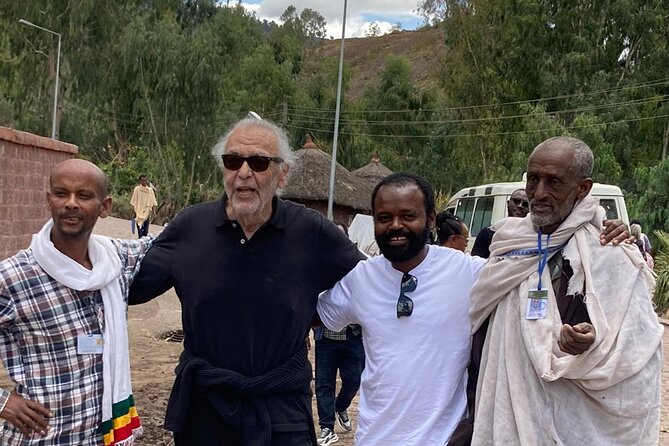
The coffee ceremony adds a welcome change of pace. Ethiopian coffee is not just a drink served at the end of a meal. In a traditional ceremony, preparation and serving form part of the social experience.
The supplied details do not specify the venue or length of the ceremony, so do not build your schedule around a fixed duration. Think of it as a cultural stop that gives you time to sit, listen, and move from the stonework into present-day Ethiopian hospitality.
You will also have a chance to try local honey wine. Alcoholic beverages are listed as not included, so check how this tasting is handled and expect to pay for any alcohol yourself. If you do not drink, the main church tour remains the central reason to book.
Live traditional music rounds out this portion of the day. It gives the experience a human rhythm after the concentration required in the tunnels and churches. The combination is useful because Lalibela is not only an archaeological or architectural site. It is also a place of faith, ceremony, and local culture.
What the $180 price covers
At $180 per person, this is not a bargain-basement sightseeing day. The value depends on what you want from Lalibela.
The price includes all fees and taxes, bottled water, an air-conditioned vehicle, pickup, and a professional English-speaking guide. Entrance admission is included as well. For a private full-day experience, those inclusions reduce the number of extra costs you need to sort out during the day.
The vehicle matters because the tour lasts eight to nine hours and includes several sections. Having air conditioning is useful in a warm climate, especially after walking around exposed rock and through the church complex. Bottled water is a small inclusion, but a practical one.
The private format is the strongest value point. You are not paying only for transport and admission. You are paying for flexibility and personal explanation. If your group enjoys architecture, religion, or photography, you can ask for more time in the places that interest you most.
The price does not include breakfast or dinner, so arrange those separately. Personal costs such as internet, telephone, fax, and other purchases are also excluded. Tips and invitations are not included, and any required camera or videography fee is extra.
That last point deserves attention. If you plan to take extensive photos or video, ask about current camera rules and charges before you arrive. Policies can matter at religious sites, and the tour information does not give a specific fee.
Transport, timing, and group size
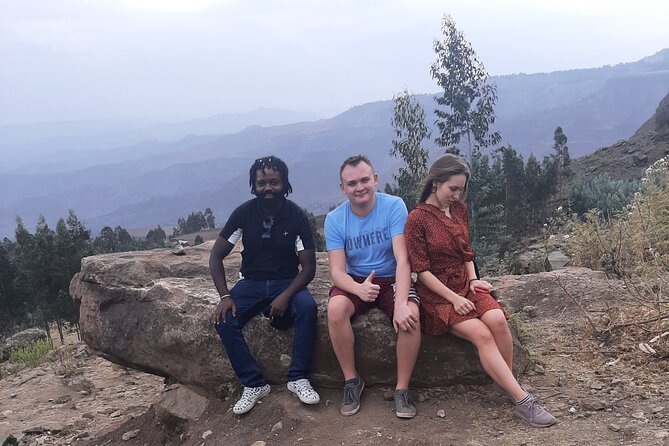
Pickup is offered, and the vehicle is air-conditioned. The experience is private, so only your group participates. That is a better setup than a large shared excursion if you want a quieter pace or need explanations tailored to your interests.
The day starts in the morning at about 8:30am. The afternoon church visits begin at approximately 2:00pm after lunch. Because breakfast and dinner are excluded, you should make your own plans around those meals.
The tour lasts about eight to nine hours. Most participants can take part, but the route includes walking through church grounds and underground passages. The information does not promise step-free access or describe the tunnel surfaces, so anyone with mobility concerns should ask the provider before booking.
A mobile ticket is offered, which keeps the booking process simple. Confirmation is received at the time of booking, and the tour is near public transportation. Those details are useful if you are arranging a wider day around the visit.
Who will get the most from this private tour
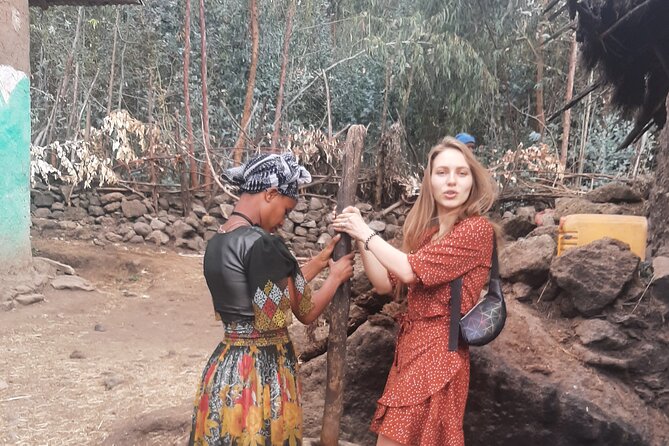
I would recommend this experience to you if Lalibela is a major reason for your visit to Ethiopia and you want more than a quick look at the churches. The guide’s explanations, the carved passages, and the chance to move at your own pace make it a good fit for curious first-time visitors.
It also suits couples, families, and small groups who prefer a private vehicle and a flexible conversation. You can ask basic questions without feeling self-conscious, or spend extra time on architectural details if that is your interest.
The tour is less suitable if you want a short, light sightseeing stop. Eight to nine hours is a serious commitment, and the churches are best appreciated slowly. It may also be a poor match if you want every meal and drink included in one upfront price.
The cultural portion makes the tour more appealing for anyone who wants contact with local traditions, not only ancient structures. Coffee, honey wine, and music give the day more variety, though the church complex remains the clear focus.
Cancellation and booking details
You can cancel at least 24 hours before the start time for a full refund. Cancellations made within 24 hours are not refunded, and changes during that final 24-hour period are not accepted.
The cut-off follows local time. Since confirmation is provided when you book, check your pickup details and any questions about camera fees, walking conditions, meals, and the alcohol tasting as early as possible.
Should you book the Lalibela Churches Day Tour?
Book it if you want a focused, private introduction to Lalibela with transport, admission, water, and an English-speaking guide handled together. The strongest reasons are the chance to explore all three church groups, walk through the underground network, and add coffee, honey wine, and music to the sacred-site visits.
The $180 price makes most sense for you if your group values privacy and personal guidance. If you are traveling alone, the per-person cost is higher than joining a shared outing, but you gain a full day with your own group and no need to match a larger party’s pace.
Before booking, be ready for a long walking day and confirm the practical details that are not specified, especially the exact lunch arrangements, camera charges, tunnel conditions, and who will guide you. If Joseph is assigned to your group, his warm approach and clear explanations can add a lot to the experience.
For a first visit to Lalibela, I would choose this tour when convenience and context matter as much as seeing the churches. It gives you the stones, the passages, and the living traditions around them in one well-filled day.
FAQ
How long does the Lalibela Churches Day Tour last?
The tour lasts approximately eight to nine hours. The morning visit begins at about 8:30am, and the afternoon church visits begin around 2:00pm after lunch.
What churches are included?
The experience includes Bet Medhane Alem, Bet Maryam, Bet Meskel, Bet Danaghel, Bet Mikael, Bet Golgotha, Bet Gabriel-Rufael, Bet Merkorios, Bet Amanuel, and Bet Abba Libanos.
Are underground tunnels part of the tour?
Yes. The churches are connected by underground passages, and the tour includes the opportunity to use these tunnels, along with routes connecting caves and tombs.
Is this a private tour?
Yes. Only your group participates, and the tour is operated as a private activity.
What is included in the price?
The price includes all fees and taxes, bottled water, an air-conditioned vehicle, pickup, admission, and a professional English-speaking tour guide.
Can I cancel for a full refund?
Yes. You can cancel at least 24 hours before the experience start time for a full refund. Cancellations or changes made less than 24 hours before the start time are not accepted or refunded.
Just added around Lalibela
- Trekking in Ethiopia’s Lalibela Wollo Highland 4 Days / 3 Nights★ 5.0 · 6 reviews
- The Rock-Hewn Churches of Lalibela: 3 Days / 2 Nights★ 5.0 · 6 reviews
- Lalibela Backpacker tours★ 5.0 · 6 reviews
- Lalibela churches Guided Tour★ 5.0 · 6 reviews
- Lalibela 2-Day Eco Trekking Tour★ 5.0 · 3 reviews
- Lasta Mountains: Highland Eco Trekking Tour in Lalibela★ 5.0 · 4 reviews
- Full Day Tour To The 11 Rock Hewn Churches Of Lalibela★ 5.0 · 5 reviews
- Full Day Tour in Lalibela★ 5.0 · 3 reviews
Rock Hewn Church Tours, compared.
Ethiopia Tigray Tours: Guided tour of Tigray rock hewn churches
Read our review →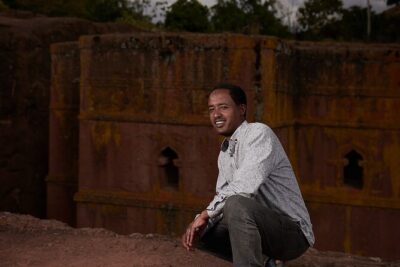
Lalibela churches , church museum & Yemrehan kirstose ( cave church)
Read our review →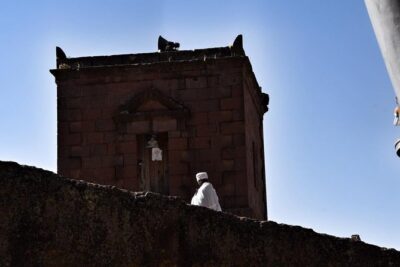
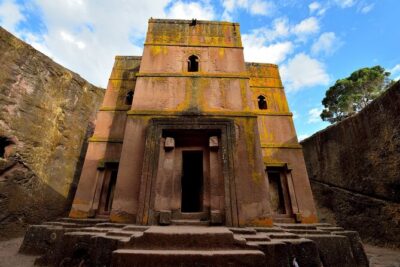
2 Days 1 night tour to Lalibela Rock-hewn churches
Read our review →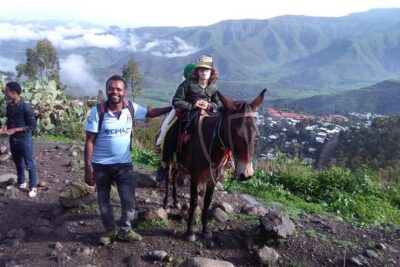
3-days Scheduled Lalibela Churches & Abune Yosef Trekking
Read our review →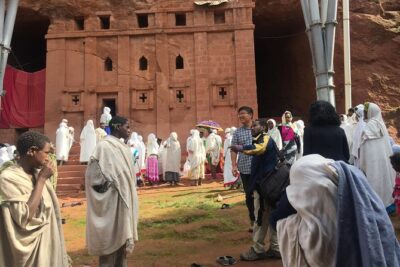
Browse the lists this tour appears in