
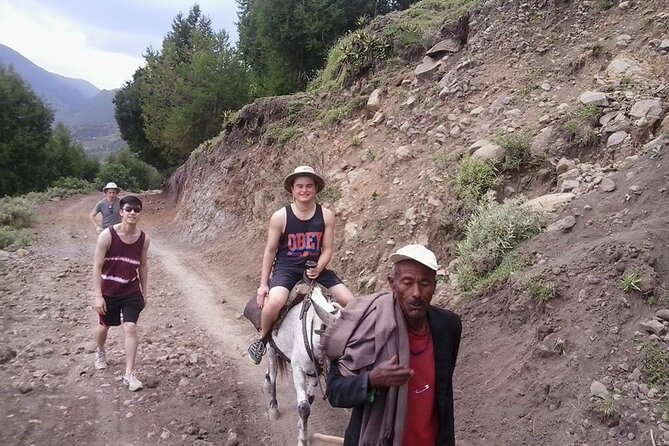
Reviewed · MELKA KUNTURE AND TIYA TOURS
Day Trip to Tiya UNESCO Site & Melka Kunture Archaeological Site
Melka Kunture and Tiya take you into two very different chapters of Ethiopia’s past. One site reaches back hundreds of thousands of years to early human activity; the other presents tall, tooth-shaped stones carved with symbols whose meaning remains uncertain. That contrast makes this one of the more rewarding day trips from Addis Ababa.
I like the two-site format, since you get prehistoric archaeology and later megalithic monuments in one outing. I also like the rural drive through the Ethiopian Rift Valley, where villages and open countryside make the road time part of the experience rather than just a transfer.
The trade-off is time. About three hours of the six-to-seven-hour day goes to driving, and both sites reward a guide who can explain what you are seeing. This is a better choice for anyone curious about archaeology than for someone seeking a relaxed sightseeing day with lots of stops.
Key points to know before you book

- Melka Kunture reaches far back into human prehistory, with tools, fossils, and artifacts displayed at an open-air museum.
- Tiya’s carved stelae remain partly unexplained, giving the site an unusual sense of mystery.
- The 7:00 am departure helps fit both locations into one day from Addis Ababa.
- Three hours of driving are included, with views of the Rift Valley and rural settlements along the route.
- Groups are capped at 12 people, which should allow for a more personal guide experience than a large coach tour.
- The $80 price includes admission tickets, pickup, and guided visits, but not a short travel day.
Why these two sites work well together
Many day trips ask you to choose between scenery and serious cultural interest. This one gives you both, though in a fairly compact format. Melka Kunture is about the distant human past. Tiya is about monuments created by a later society whose customs are not fully understood.
That change in subject keeps the day from feeling repetitive. At the first stop, you are looking at stone tools, fossils, and evidence of early human activity. At the second, you are trying to read symbols carved into stone and thinking about the people buried beneath or near the monuments.
I find that pairing especially useful if you have limited time in Addis Ababa. You do not need to arrange separate transport to the southern sites, find entrance tickets on your own, or work out the road between them. The guide provides the thread connecting the stops, while the driver handles the long round trip.
The experience is not built around a packed schedule of minor sights. It gives you two principal visits and the road between them. That is a sensible design for a half-day-plus excursion, but you should expect a focused archaeological outing rather than a broad tour of the region.
More melka kunture and tiya tours in Addis Ababa:
- Day trip to Adadi Mariyam and Melka kunture
★ 4.5 · 20 reviews - Day Tours to Tiya Stele and Cave Churches of Adadi Maryam
★ 5.0 · 13 reviews - Day-Trip Church of Adadi Mariam from Addis Ababa
★ 5.0 · 11 reviews
The 7:00 am start from Addis Ababa

The day begins in Addis Ababa at 7:00 am, with pickup offered. Starting early matters because the two sites are outside the city and roughly three hours of the total duration is spent driving round trip.
The road takes you toward the Ethiopian Rift Valley. You will pass rural settlements and changing countryside, with the journey offering a glimpse of daily life beyond the capital. This is not a sightseeing bus route with a long list of scheduled photo stops, but the drive gives useful context for the archaeological sites ahead.
I would treat the transport as a major part of the plan when deciding if the trip suits you. Six to seven hours may sound brief, yet the driving occupies close to half of that period. The benefit is that you can visit both locations in one day without arranging a private vehicle separately.
The group limit is 12 people. That is small enough for questions and conversation without the scale of a large bus excursion. The tour is also near public transportation, though pickup is offered, so the practical starting arrangement should be confirmed when you book.
A moderate level of physical fitness is recommended. The information provided does not give a detailed path description, so you should be ready for time on your feet at outdoor archaeological sites. Comfortable walking shoes are a sensible choice.
Melka Kunture and Ethiopia’s earliest traces
The first visit is Melka Kunture, with about one hour set aside and admission included. It is described as one of Ethiopia’s important prehistoric sites, with an open-air museum presenting ancient tools, fossils, and other artifacts.
This stop asks you to think on a far longer time scale than most historic attractions. Instead of looking at palaces, churches, or inscriptions from a known period, you are examining physical evidence connected to early human life and the development of tools.
A guide makes a real difference here. A stone artifact can look simple when viewed without context. The value comes from understanding what it may reveal about technology, movement, survival, and human development. The tour is designed to explain the archaeological importance of the area rather than leave you to guess what each object means.
The one-hour visit is enough for an introduction, but it is not an extended archaeological study. If Melka Kunture is your main reason for booking, you may wish the schedule allowed more time. On the other hand, the shorter visit helps the tour reach Tiya without turning the day into a late return to Addis Ababa.
I like the balance between outdoor setting and museum-style interpretation. You are not only viewing objects behind glass. You are also visiting a place tied directly to the discoveries and evidence being discussed. That connection gives the first stop more weight than a basic collection of old tools.
The guide should also help separate established facts from broad claims about human evolution. The supplied information promises an experienced guide and historical and cultural explanation, but it does not provide a guide’s name or a detailed list of qualifications. If you want specialist-level archaeological commentary, ask about the guide’s background before departure.
Tiya’s carved stones and unanswered questions
Tiya is the longer visit, with about two hours planned and admission included. UNESCO recognized the site as a World Heritage Site in 1972. The area contains more than 40 excavated monuments, while additional stones may remain buried.
The monuments are tall, tooth-shaped stelae, or standing stones, set in an area that remained undisturbed for centuries. Some were uncovered around the turn of the last century, and further discoveries followed over time.
What makes Tiya unusual is not only the size of the stones, but also how much remains unknown. The site is regarded as the largest and most representative collection of this type of monolith in Africa, yet the precise meaning of the monuments is still not fully established.
Small carvings run across parts of the stones. These marks are linked to the people buried beneath or around them, but the symbols do not offer a simple written explanation. You can see recurring shapes and patterns, yet interpretation depends on archaeology and comparison rather than a clear historical record.
That uncertainty is the heart of the visit. At many famous archaeological sites, a guide can tell you exactly who built a monument, when it was completed, and what each symbol meant. At Tiya, the honest answer is often that researchers know important facts about the stones but not the full story behind them.
I like this kind of site because it leaves room for questions. You are not simply collecting dates and names. You are looking at a physical record of a society whose beliefs and burial practices are only partly understood.
The two-hour schedule is helpful. Tiya needs time for a proper walk around the monuments and for an explanation of the carvings. A rushed photo stop would miss the point. The site’s appeal grows when you pause and compare the stelae rather than treating them as a single object.
The description refers to more than 40 monuments, while one supplied comment mentions 32 cemetery stelae. That difference may reflect varying counts of monuments and burial stones, or different ways of describing the site. Your guide can clarify the current count during the visit.
A few more Addis Ababa trips to weigh up
- Day Trip From Addis Ababa See Historical Monastery,Stunning Nature,Animals,Birds
★ 5.0 · 303 reviews - Day Trip From Addis Ababa To Debre Libanos & Portuguese Bridge
★ 4.5 · 64 reviews - Day trip Debre Libanos, Bule nile George &Portugal Bridge
★ 4.4 · 25 reviews - Wenchi Crater Lake Full-Day Trip from Addis Ababa
★ 5.0 · 18 reviews
The road through the Rift Valley
The scenery between Addis Ababa, Melka Kunture, and Tiya adds a useful human and geographic layer to the day. You will pass through rural areas and villages, seeing a side of Ethiopia that is easy to miss if you remain in the capital.
I would not book this excursion only for scenic stops, since the schedule centers on the two archaeological sites. Still, the drive gives you time to watch the countryside change and to understand that these ancient places are part of living communities, not isolated museum pieces.
The road also explains the tour’s length. A six-to-seven-hour experience with three hours of round-trip driving is efficient, but not leisurely. If you are sensitive to long vehicle rides, this is worth considering before you pay.
The driver is important here, as is the guide. The available feedback gives particular credit to the guide and driver, including one short-notice booking that was arranged successfully and allowed flexible stops and extra requests. That suggests the operator can adapt when circumstances change, though it does not guarantee that every departure will follow the same pattern.
What the $80 price really covers
At $80 per person, the tour is priced as a guided day trip with transport rather than as a simple entrance-ticket package. Pickup, admission to both sites, the driver, and an experienced guide are part of the value.
The price looks more reasonable if you want to see both locations without arranging a car and separate guide. Splitting the cost across a small group also makes the transport more practical than hiring a private vehicle for only one archaeological stop.
The value is less obvious if you prefer to spend most of your day at a single site. Three hours in transit leaves about three to four hours for the actual visits and any short breaks. You are paying for access, interpretation, and convenience, not for a long stay at either location.
Group discounts are offered, which may help if you are booking for several people. The maximum group size is 12, so the experience should not have the feel of a large sightseeing coach.
Mobile ticketing is available, and confirmation is received when you book. Those details simplify the practical side of the trip, especially if you are arranging it while already in Addis Ababa.
Who will enjoy this day trip most
I would recommend this excursion to you if you have a real interest in archaeology, early human development, or unusual monuments. It also suits anyone who wants a guided outing beyond Addis Ababa without committing to a multi-day journey.
It is a good match for:
- Visitors with only one spare day in Addis Ababa
- People who want UNESCO recognition and prehistoric archaeology in the same outing
- Small groups looking for shared transport and a guide
- Anyone interested in rural scenery as part of the journey
- Visitors who enjoy sites with unanswered questions rather than fully explained stories
I would be more cautious if you want a slow day, extensive food stops, or many attractions along the route. The plan is concentrated on Melka Kunture and Tiya, and the drive is unavoidable.
Families and older visitors should consider the moderate fitness requirement. The information does not describe the exact walking surfaces, so ask the operator if you need details about paths, seating, or access at either site.
Practical points before you leave
Wear shoes suitable for walking around outdoor archaeological grounds. Bring water and protect yourself from the sun, since the visit includes open-air areas and the schedule gives you time outside the vehicle.
The early departure means you should be ready for a full morning on the road. Pickup is offered, but the precise pickup arrangement is not specified in the supplied details, so confirm the meeting point and timing after booking.
The tour has an average booking lead time of 13 days. That does not mean you must reserve exactly 13 days ahead, but it suggests planning early is sensible if your Addis Ababa schedule is fixed.
Free cancellation is available until 24 hours before the local start time for a full refund. Changes or cancellations inside that window are not accepted and are not refunded. The tour also depends on suitable weather and a minimum number of participants. If poor weather or low demand cancels the departure, you are offered another date or experience, or a full refund.
Should you book Melka Kunture and Tiya?
Book it if you want two serious archaeological stops, appreciate a guide’s explanation, and can accept three hours of driving. The strongest part of the day is the contrast between Melka Kunture’s evidence of early human activity and Tiya’s mysterious carved stones.
Skip it if your priority is a relaxed countryside outing or a packed sightseeing schedule. The experience is efficient rather than leisurely, and the limited time at Melka Kunture may feel short to dedicated archaeology enthusiasts.
For most visitors with a free day in Addis Ababa, the $80 cost is fair because it combines transport, entrance fees, a small group, and guided context. The unusual subject matter is the real reason to go. Tiya in particular gives you something many archaeological sites cannot: the chance to look closely at important monuments while still admitting that their full meaning remains unknown.
FAQ
Where does the tour start?
The tour starts in Addis Ababa, Ethiopia, at 7:00 am. Pickup is offered.
How long does the experience last?
The tour lasts approximately six to seven hours. About three hours of that total is driving round trip.
Which sites are included?
The tour visits Melka Kunture and the Tiya World Heritage Site.
Are entrance fees included?
Yes. Admission tickets for both Melka Kunture and Tiya are included.
How many people can join the tour?
The maximum group size is 12 people.
Is a certain fitness level required?
A moderate level of physical fitness is recommended.
What happens if I cancel?
You receive a full refund if you cancel at least 24 hours before the local start time. Cancellations or changes made within 24 hours are not accepted and are not refunded. If poor weather or an insufficient number of participants cancels the tour, you are offered another date or experience, or a full refund.
Just added around Addis Ababa
- Yod Abyssinia Cultural Night: Dinner, Music, and Dance★ 5.0 · 7 reviews
- Stunning Views Wonchi Crater Lake a Private Day Trip★ 5.0 · 3 reviews
- Locally crafted beer and wine tasting and nightlife in Addis tour★ 5.0 · 6 reviews
- Two days Lake Wenchi and Menagesha Forest★ 5.0 · 3 reviews
- 3-Day Cultural Tour in South Omo Valley★ 5.0 · 4 reviews
- Addis Ababa City Tours Full-Day Tours★ 5.0 · 5 reviews
- South Omo Valley Tribes 8 Days Tour Package★ 5.0 · 4 reviews
- Tribes of the Ethiopian Omo Valley – 9 Day Tour★ 5.0 · 5 reviews
Melka Kunture and Tiya Tours, compared.
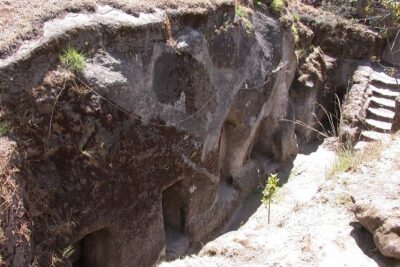

Day Tours to Tiya Stele and Cave Churches of Adadi Maryam
Read our review →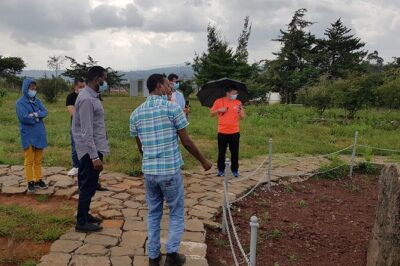
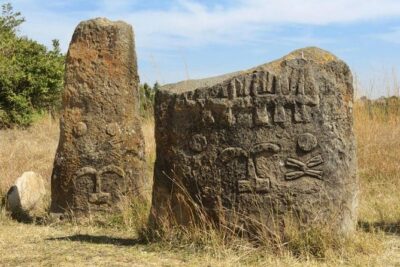
DAY TRIP TO THE UNESCO HERITAGE SITE TIYA & Melka Kunture
Read our review →
Day trip to Adadi Mariyam, Tiya and Melka kunture
Read our review →
Excursion to Melka Kuntre, Tiya and Adadi Mariam
Read our review →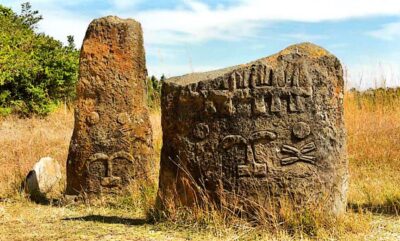
Day trip Adadi Mariam, Melka Kunture and Tiya stele
Read our review →
Rock Hewn Churches of Adadi Maryam, Tiya Stele & Melka Kunture
Read our review →Browse the lists this tour appears in