
Reviewed · 3-DAY EXPERIENCES
3 Days Dankile Depression group Tours
Erta Ale’s glowing lava lake is the headline here, but the real appeal is the wild mix of fire, salt, sulfur, and Afar culture packed into three demanding days. You fly from Addis Ababa to Semera, ride deep into the desert, camp simply, and walk to one of the world’s few permanent lava lakes.
I like the small group limit of 12, which keeps the 4WD convoy and camp operation manageable. I also like the practical support: Ashu coordinates the trip, while local guides, scouts, drivers, cooks, and camels help you reach places that are far beyond normal sightseeing routes. The main drawback is clear: this is a hot, dusty, physically tiring trip with long vehicle rides, basic camping, and a domestic flight that is not included in the $450 price.
Key points before you book
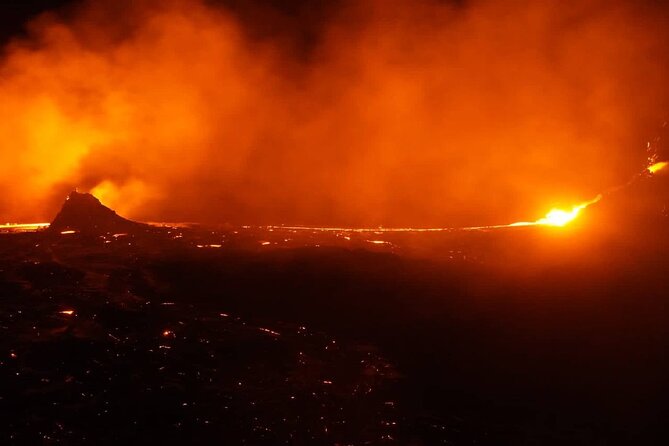
- Erta Ale is the main event: Trek to a volcano with a permanent lava lake, usually beginning around 8 p.m. when the heat has eased.
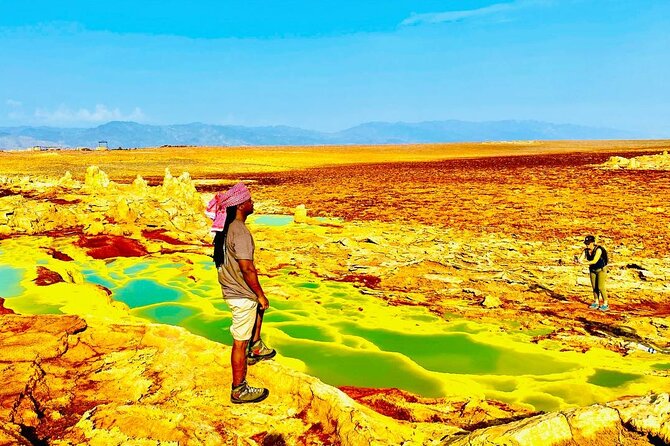
- Dallol is strange and colorful: See volcanic mineral formations, salt flats, Lake Assal, and salt workers cutting blocks for camel transport.
- This is a true desert trip: Expect temperatures above 40 degrees Celsius, dust, smoke, rough roads, and simple facilities.
- The $450 package covers a lot: 4WD transport, food, water, accommodation, permits, security, guides, camping gear, and camel support are included.
- The flight cost is separate: Addis Ababa to Semera and Semera to Addis Ababa are part of the schedule, but domestic airfare is excluded.
- Pack for heat and cold: Bring sun protection for the desert and a jacket for the volcano camp, where the night can feel cold.
Why the Danakil Depression is worth the discomfort
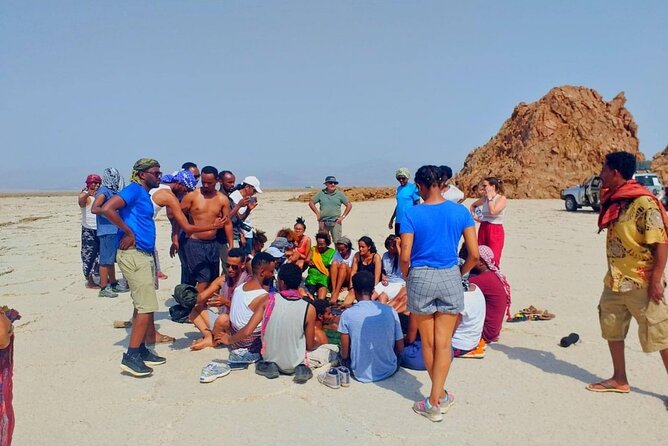
The Danakil Depression is not a place you visit for comfort. It is one of Ethiopia’s harshest regions, with intense heat, dust, smoke, and very little shade. Yet those conditions are exactly what give the trip its character. You are not simply driving to a viewpoint. You are entering a place shaped by active geology and the daily work of Afar communities.
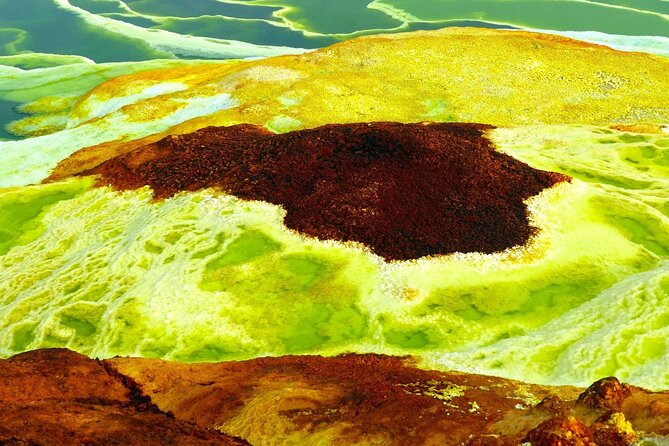
The area is among the lowest parts of Africa. Salt lakes, lava fields, volcanic craters, and mineral-colored ground appear in quick succession. The scenery can look almost unreal, but the human side matters just as much. At Ragad, you see salt workers break salt from the ground, cut it into rectangular pieces, and load it onto camels.
That contrast makes the trip worthwhile for me. One hour is about volcanic heat and glowing rock. The next is about a traditional salt economy that still depends on hand labor and camel caravans.
A few more Addis Ababa trips to weigh up
- 3 Day Danakil Depression Ertale and Dallol Tours
★ 5.0 · 44 reviews - 2-Night 3-Day Danakil Depression Tour without Flights
★ 4.8 · 31 reviews - Trekking at Bale Mountains 3 Days
★ 5.0 · 28 reviews
The flight from Addis Ababa to Semera
The experience begins with an early flight from Addis Ababa to Semera, listed as ET110 from 7:10 a.m. to 8:30 a.m. Pickup is offered at Semera Airport or from a hotel, after which the road journey begins.
This flight saves a great deal of time compared with trying to reach the Afar region entirely by road. It also means your first day starts early, so do not plan on a slow morning. Keep your essential items in your hand luggage, including sun cream, sunglasses, medicines, wipes, and a power bank.
The domestic flight is not included in the $450 price. That is the most important cost detail to check before booking. The tour price covers the desert operation itself, but you need to budget separately for the flights listed in the schedule.
Day 1: the long road to Erta Ale
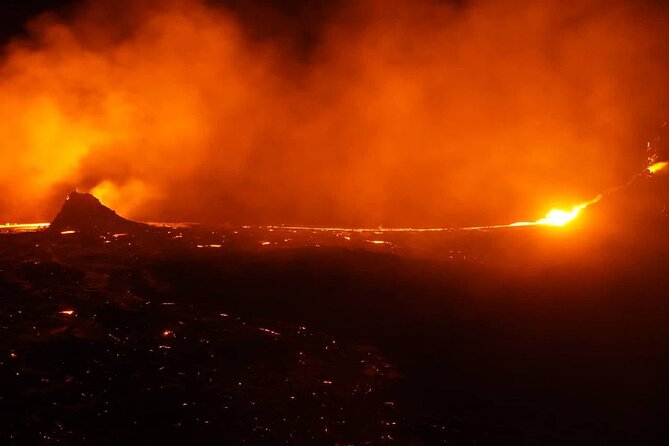
From Semera, you travel by 4WD toward Erta Ale, whose name means smoky mountain in the Afar language. The volcano is a broad shield volcano with a large summit caldera. Its lava lake is the reason this trip attracts people from around the world.
The drive is part of the experience, but it can also be tiring. Roads in the depression are rough, and the distance between settlements and attractions is considerable. A 4WD Land Cruiser is not a luxury here. It is the practical way to handle the desert tracks.
The tour includes local guides, professional tour leadership, Afar security support, scouts, cooking equipment, and camping equipment. Ashu is the main coordinator named in the tour information, and the supplied trip details also refer to Daniel as part of the friendly guiding team. That local support is valuable because conditions can change, and the area is remote.
After a break, the trek to Erta Ale is scheduled for about 8 p.m. This timing makes sense. Walking in the cooler evening is far more sensible than attempting the climb at the height of the afternoon heat. Camels help carry equipment, so you only need a small backpack for your personal items.
The climb is described as physically challenging. The exact pace and conditions can vary, but you should be ready for a demanding walk over rough volcanic ground. Bring a headlamp or touch light, sturdy footwear, plenty of personal energy, and a walking stick if you like using one.
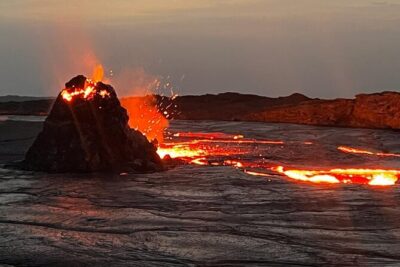
At the summit, the reward is the volcano itself. Erta Ale has a lava lake, one of only a small number of permanent lava lakes in the world. Seeing molten rock at close range is the kind of sight that makes the discomfort feel worthwhile, but it is also important to keep expectations sensible. Volcanic activity changes. The glow and visibility may not look exactly the same on every visit.
Sleeping near Erta Ale and watching the sunrise
The first night is basic. Camping equipment and accommodation are included, but this is not a hotel-based tour. You should expect simple sleeping arrangements and limited facilities.
The next morning, the schedule takes you to the northern crater area for sunrise. The main pit crater is described as roughly 200 meters deep and 350 meters across, with a three-level form. Smaller southern and central pits can be reached with a short walk of about five minutes.
This early visit gives you a different view of Erta Ale. At night, the attraction is heat and fire. In the morning, you see the scale of the crater and the stark volcanic surroundings. The schedule aims for breakfast around 7 a.m. and a descent from Erta Ale around 9 a.m.
That timing is useful, but the night may be short. You will need to accept an unusual rhythm: early flight, long drive, late trek, basic sleep, sunrise, and another long road section. If you need regular sleep or struggle with heat, this schedule could feel punishing.
Same country, a very different kind of day:
- Full Day Tour of Addis Ababa with Hotel Pickup and Drop-off
★ 5.0 · 430 reviews - Taste of Ethiopia
★ 5.0 · 406 reviews - Day Trip From Addis Ababa See Historical Monastery,Stunning Nature,Animals,Birds
★ 5.0 · 303 reviews - Addis Ababa: Debre Libanos, Blue Nile Gorge, and Cave Tour
★ 4.5 · 256 reviews
Day 2: crater country, camp rest, and Lake Afrera
After leaving Erta Ale, the group returns toward Dodom and then reaches camp, with arrival planned by about 10:30 a.m. The midday rest is important. In this heat, a pause is not wasted time. It is what lets you continue safely.
The itinerary includes a possible drive to Lake Giulietti, also called Lake Afrera. This stop is optional and may not be available during some periods. The information provided does not specify exactly when it may be unavailable, so ask for the current plan before departure.
Lake Afrera adds another side to the region. After the black volcanic ground around Erta Ale, a salt lake changes the visual rhythm of the trip. The tour also lists swimming suits among the items to bring, which suggests that a swim may be possible when conditions and timing allow. Because the stop is marked optional, do not book this trip solely for a guaranteed swim.
Day 2 is less about one dramatic sight and more about the transition between volcano country and the salt-producing area. The vehicle time remains a major part of the day. You will spend hours riding through a sparse, exposed region, so keep water, wipes, sun protection, and any medication close at hand.
Unlimited bottled water is included, which is a major practical benefit. Still, do not treat that as a reason to ignore hydration. Bring your own refillable bottle if you use one, and follow the guide’s advice in the heat.
Day 3: salt workers, camels, Dallol, and Lake Assal
The third day begins with a drive to Ragad, also called Asebo. Here you see the salt trade at close range. Workers break salt from the ground, cut it into blocks, and load the pieces onto camels.
This is one of the most valuable stops because it connects the geology to everyday life. The salt is not just a colorful surface or a photo backdrop. It supports work, transport, and trade. You can watch the process and walk with Afar people as the group moves through the area.
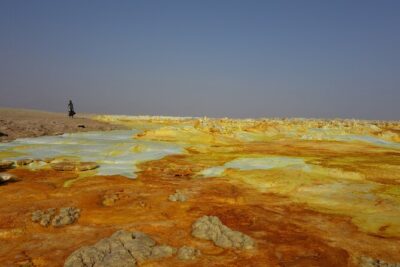
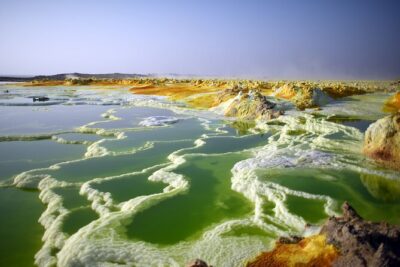
The next stop is Dallol, about 116 meters below sea level. Volcanic activity has created an unusual mix of mineral colors and salt formations. The ground may show strong shades created by different minerals, pools, crusts, and deposits. You need to stay close to your guide here and follow instructions carefully, since volcanic areas can be unstable and conditions can be harsh.
The day also includes Lake Assal and camel caravans. Camel transport gives the route a human scale. After seeing the broad salt flats, you understand how people move goods through a place with few roads and little water.
The camel caravan is seasonal. No camel caravan is listed for July, August, and early September, so check your dates if this is a key reason for booking. Dallol and the salt works remain the central attractions, but the camel sight may not be available in those months.
After the Dallol and Lake Assal visits, you return to Hamedela and continue to Semera. The return flight is listed as ET165 from 5:35 p.m. to 6:55 p.m. This makes the final day a full one, with sightseeing, driving, and airport timing all packed together.
What the $450 price really covers
At $450 per person, the tour offers strong value if you want a guided Danakil trip without arranging a desert convoy yourself. The package includes:
- 4WD surface transport
- Entrance fees and regional licenses
- Accommodation
- All listed meals
- Unlimited bottled water
- Local Afar guides
- Professional tour guide service
- Cooking and camping equipment
- Scout and police service in the Afar region
- Camel support and camel tires
- Three breakfasts
- Three lunches
- Two dinners
The package covers the costly and difficult parts of operating in a remote desert. You are paying for vehicles, staff, food, water, permits, security, and logistics, not just for someone to point out a crater.
The domestic flights are extra, as are tips and alcoholic drinks for people aged 18 and over. Because the flights are essential to the published schedule, confirm their current price before you compare this tour with other options.
The price also makes more sense if you value a group tour. A private trip may give you more control over the pace, but a shared vehicle spreads the cost of drivers, guides, security, and camping support. With a maximum of 12 people, the group is not tiny, but it is limited enough to avoid a huge convoy.
Heat, dust, camping, and what to pack
You need to take the climate seriously. Temperatures can rise above 40 degrees Celsius, and the air may carry dust and smoke. Loose, breathable clothing, a hat, sunglasses, and high-factor sun cream are basic requirements.
The recommended packing list is unusually practical:
- Touch light
- Power bank
- Small backpack for the volcano walk
- First-aid medicines
- Sun cream
- Toilet paper
- Sunglasses
- Slippers
- Jacket for the volcano
- Wipes
- Walking stick, if wanted
- Swimming suit
The jacket may seem odd in a desert, but the volcano camp can feel cold at night. Slippers are useful around camp, while a small backpack keeps the trek more comfortable.
The tour notes say a gas mask is not necessary for young people, but the information about requirements for people over 75 is incomplete. If you are older than 75, ask Enat Ethiopia Tours for the current health and participation rules before paying.
Most people can participate according to the supplied information, but that does not mean the trip is easy. The trek, heat, rough vehicle roads, smoke, and basic camping all matter. If you have a medical condition, ask the operator directly about suitability.
Food, water, and camp support
Meals are included throughout the tour, with three breakfasts, three lunches, and two dinners listed. You do not need to organize food in the desert, and cooking equipment is provided.
Food can make or break a remote trip. The strongest praise for this operation focuses on abundant, good meals, attentive coordination, friendly guides, and quick communication. That matters here because you spend long periods away from shops and normal services.
Water is also included without a stated bottle limit. Even so, carry a small personal supply in your day pack and keep sipping rather than waiting until you feel thirsty. Wipes and toilet paper belong in your accessible bag, not buried in the vehicle luggage.
The human side of the operation
Ashu is the main contact and coordinator named for this experience. The trip places clear emphasis on planning, fast replies, drivers, guides, and the wider team working together.
That structure matters more in Danakil than it would on a simple city tour. You need someone coordinating flights, airport pickup, desert vehicles, meals, camping, security, and timing across several remote stops. A good coordinator reduces confusion when plans shift.
The local Afar guides and security staff are especially important. You are not traveling independently through a remote region. The inclusion of scouts and police service gives the trip a formal support system, while local guides help connect the places you see with the people who live and work there.
Who should book this Danakil trip?
I would recommend it to you if you want rare natural sights and do not mind trading comfort for access. It suits people who are curious about geology, active volcanoes, salt production, remote cultures, and difficult environments.
It also suits first-time visitors to Danakil who prefer a structured group trip. The airport pickup, fixed schedule, included meals, 4WD transport, security, and camping support remove much of the planning burden.
I would be cautious if you dislike long drives, heat, dust, basic sleeping arrangements, or uncertain optional stops. The trip is not a relaxed three-day break. It is a compressed expedition with an early flight, a night trek, little sleep, and a demanding return day.
The 98 percent recommendation rate and 4.9 rating from 40 ratings suggest a strong record, especially for organization, communication, guides, food, and personal attention. Those strengths do not change the physical nature of Danakil, so book for the right reasons.
Should you book the 3-day Danakil Depression tour?
Yes, if your priority is seeing Erta Ale, Dallol, Lake Assal, and the salt trade in a short, organized trip from Addis Ababa. The inclusion of 4WD transport, guides, Afar security, food, water, camping gear, permits, and camel support gives the $450 price solid value.
Before booking, confirm the separate domestic flight cost, the exact status of Lake Afrera, the camel caravan season, and any health requirements that apply to you. Cancel at least 24 hours before the start time for a full refund. Cancellations inside 24 hours are not refundable, and the trip needs a minimum number of people to operate.
Book this if you want Ethiopia at its most extreme. Skip it if you want ease, privacy, or a predictable night’s sleep.
FAQ
Is the domestic flight from Addis Ababa included?
No. Domestic flights are listed as not included, even though the schedule includes flights between Addis Ababa and Semera.
How long is the tour?
The experience lasts approximately three days. Each scheduled day is shown as about eight hours, although the first two days also include long drives and the Erta Ale night trek.
What is the group size?
The maximum group size is 12 people.
Is pickup available?
Yes. Pickup is offered from Semera Airport or a hotel after the flight from Addis Ababa.
Are meals included?
Yes. The tour includes three breakfasts, three lunches, and two dinners, along with accommodation and cooking support.
Is water included?
Yes. Unlimited bottles of water are included for the trip.
Can I cancel for a full refund?
Yes, if you cancel at least 24 hours before the experience start time. Cancellations made less than 24 hours before the start time are not refunded.
Just added around Addis Ababa
- Yod Abyssinia Cultural Night: Dinner, Music, and Dance★ 5.0 · 7 reviews
- Stunning Views Wonchi Crater Lake a Private Day Trip★ 5.0 · 3 reviews
- Locally crafted beer and wine tasting and nightlife in Addis tour★ 5.0 · 6 reviews
- Addis Ababa City Tours Full-Day Tours★ 5.0 · 5 reviews
- Two days Lake Wenchi and Menagesha Forest★ 5.0 · 3 reviews
- 3-Day Cultural Tour in South Omo Valley★ 5.0 · 4 reviews
- South Omo Valley Tribes 8 Days Tour Package★ 5.0 · 4 reviews
- Day Trip to Tiya UNESCO Site & Melka Kunture Archaeological Site★ 4.5 · 3 reviews
3-Day Experiences, compared.
3 Day Danakil Depression Ertale and Dallol Tours
Read our review →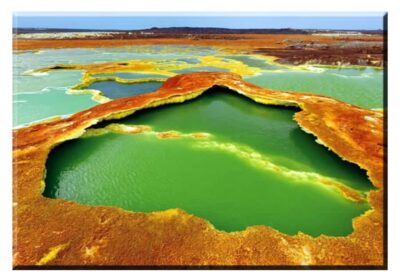
2-Night 3-Day Danakil Depression Tour without Flights
Read our review →

3 days around Arbaminch and Konso Adventure Tours Life Time
Read our review →
Browse the lists this tour appears in