
Reviewed · DEBRE LIBANOS AND PORTUGUESE BRIDGE TOURS
Debre Libanos and Portuguese bridge
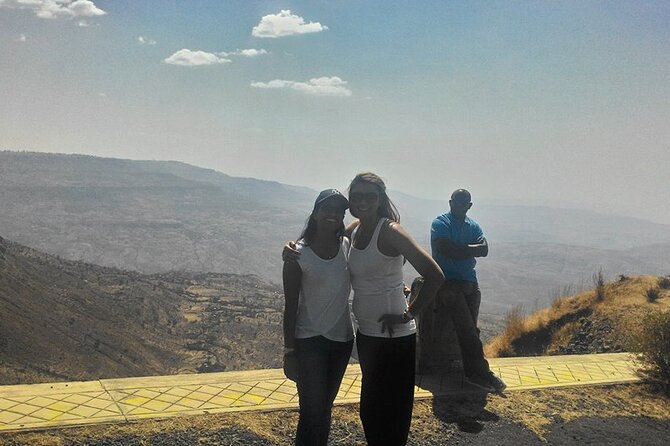
The most striking part of this outing is the Jemma Gorge, where the land drops nearly 1,000 meters toward the valley and the Jemma River, a tributary of the Nile. From there, the day moves to Debre Libanos, an important Ethiopian Orthodox monastic center, and the nearby Portuguese bridge.
I like the mix of big views and living religion. You get a dramatic natural stop, a chance to look for Gelada baboons and highland birds, and a church site tied to Saint Teclehaimanot rather than a day spent only inside a vehicle. I also like the small group limit of 10 and the citywide pickup.
The main drawback is the long day. With an early 7:00 a.m. start and an eight to nine-hour duration, this suits you best if you want a full excursion rather than a relaxed morning. The Portuguese bridge is included in the tour name, but the supplied details do not explain how long you stop there or what transport is used between each point.
Key points to know before booking
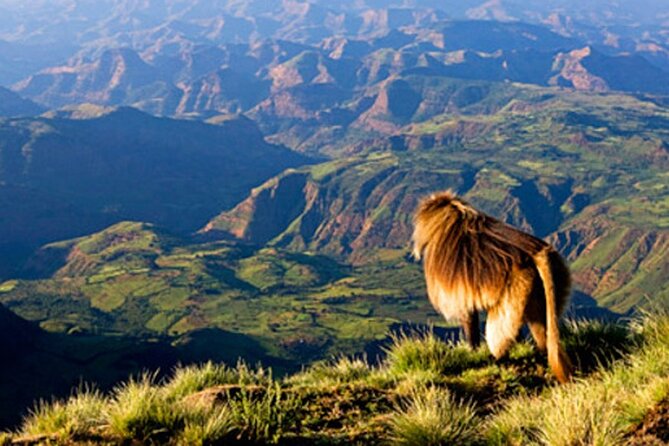
- The Jemma Gorge comes first: Expect a major drop toward the river valley, with broad views and possible bird sightings.
- Debre Libanos is a working religious center: The monastery is linked to Saint Teclehaimanot, a 13th-century mystic of great importance to Ethiopian Orthodox Christianity.
- The Saint’s cave adds a memorable story: A small cave near the church is connected with the tradition that he stood on one leg for seven years.
- Wildlife is part of the appeal: Gelada baboons and several Ethiopian highland bird species may be seen around the gorge and forest.
- Pickup is offered across Addis Ababa: Your guide’s name and phone number are provided after booking so you can identify the correct person.
- The format is manageable: The group can have no more than 10 people, and the tour returns to its starting meeting point.
From Addis Ababa at 7:00 a.m.
This is an early start, but it makes sense for a day trip from Addis Ababa. The stated meeting point is Piazza, and pickup is offered from anywhere in the city. After booking, you receive the guide’s name and phone number, a useful detail when you are standing in a busy part of town and need to identify the right person.
The tour lasts about eight to nine hours. That puts it firmly in full-day territory, so I would not pair it with a tightly scheduled afternoon flight or another fixed appointment. The benefit is that you can reach the monastery, gorge, bridge, and surrounding forest without trying to squeeze the whole outing into a rushed half-day.
The maximum group size is 10. That is small enough to make questions and conversation practical, while still allowing the operator to run the trip at a shared-tour price. One published price is $130 per person, so your value depends partly on how much you want handled for you: pickup, transport, a guide, and a full day outside Addis Ababa are bundled into the experience.
The tour ends back at the meeting point. That return matters in Addis Ababa, where arranging a separate ride after a distant day trip can add both time and uncertainty.
More debre libanos and portuguese bridge tours in Addis Ababa:
- Addis Ababa: Debre Libanos, Blue Nile Gorge, and Cave Tour
★ 4.5 · 256 reviews - Day Trip From Addis Ababa To Debre Libanos & Portuguese Bridge
★ 4.5 · 64 reviews - Day trip Debre Libanos, Bule nile George &Portugal Bridge
★ 4.4 · 25 reviews
The first major stop at Jemma Gorge
The Jemma Gorge is the natural high point of the outing, quite literally. The Jemma River runs below, and the drop is described as nearly 1,000 meters. You are not simply stopping at a roadside viewpoint with a quick photo and a hurried explanation. The gorge gives the day a sense of scale before the religious sites provide its human and spiritual focus.
This is also the first place to think about footwear and pace. The supplied information does not specify walking distances or trail conditions, so you should not assume a formal hike. Still, a gorge viewpoint and forest stop call for practical shoes rather than delicate city footwear.
The gorge has value beyond scenery. It is part of the habitat for several birds associated with Ethiopia’s highlands, including the Banded Barbet, Black-headed Forest Oriole, White-billed Starling, Red-billed Starling, White-winged Cliff Chat, White-backed Black Tit, White-cheeked Turaco, and Hemprich’s Hornbill.
You might not see every bird on that list. Bird sightings depend on weather, timing, patience, and plain luck. But the range gives you a good reason to slow down and look carefully instead of treating the gorge as a single photograph stop.
If you bring binoculars, this is the place to use them. If you do not, ask the guide to point out birds and help with identification. The tour information specifically names the species you might find, which suggests that birdwatching is more than a passing extra, though it is not presented as a specialist birding expedition.
Looking for Geladas in the highlands
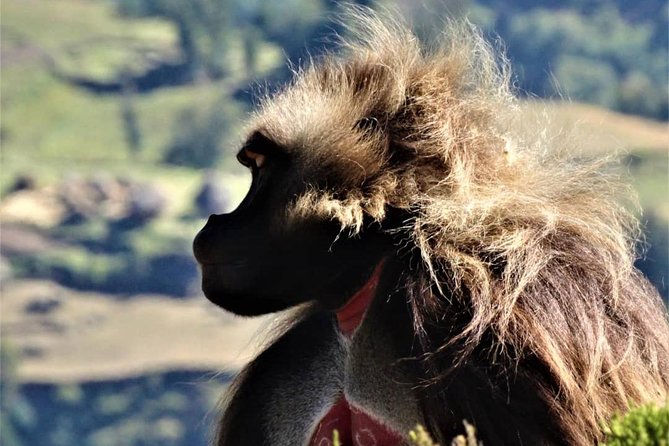
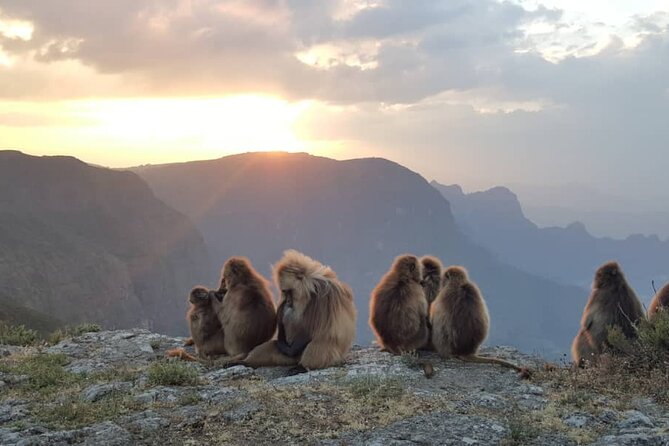
The Gelada, sometimes called the bleeding-heart baboon, is one of Ethiopia’s endemic mammals. It is a major reason this outing will appeal to anyone who wants wildlife alongside culture.
The wording of the experience says you can expect to see Geladas, but no exact viewing distance, number of animals, or guarantee is given. Keep that distinction in mind. The animal is an important target for the day, not a promise that a particular troop will appear on schedule.
The gorge and forest around the church are the main areas mentioned for wildlife. You may find yourself switching between two kinds of attention: looking out across the steep drop and scanning closer vegetation for movement, calls, or flashes of color.
I like that the wildlife element is tied to the place rather than added as a separate attraction. You are not being taken to a zoo or a fenced viewing area. The appeal comes from seeing what may be present in the same highland setting used by the monastery and local communities.
Debre Libanos and Saint Teclehaimanot
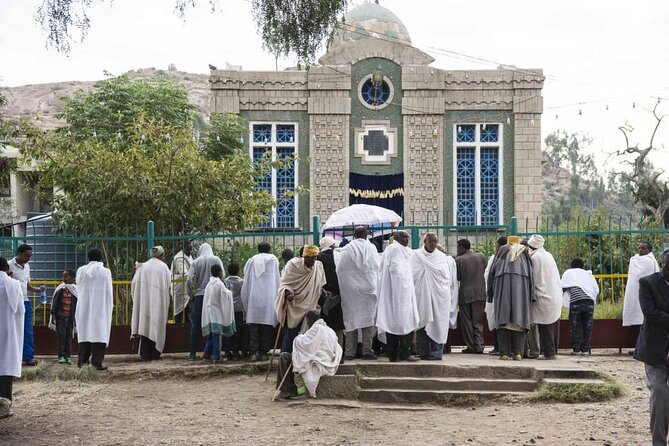
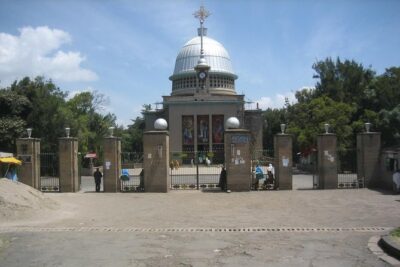
Debre Libanos is an important monastic center for Ethiopian Orthodox Christianity. The monastery was founded by Saint Teclehaimanot, a renowned 13th-century mystic, giving the stop a strong religious and historical purpose.
The church itself is described as a recent construction. That is worth knowing before you go, since the value of Debre Libanos is not based only on the age of the current building. The site’s importance comes from its continuing religious role and its connection with Saint Teclehaimanot.
Near the church is a small cave linked with one of the saint’s most striking traditions. He is said to have stood on one leg for seven years, until the other leg wasted away and dropped off. It is an intense story, and the cave gives it a physical setting that is easier to remember than a date or list of names.
You should approach this part of the visit as a religious site, not merely as a scenic stop. Dress and behave respectfully, follow the guide’s instructions, and allow room for the fact that the monastery remains meaningful to Ethiopian Orthodox Christians.
The description does not specify entry rules, photography rules, or the exact length of the church visit. Those details can vary, so it is sensible to ask the guide on arrival rather than assume every area is open or every photograph is acceptable.
Same country, a very different kind of day:
- Full Day Tour of Addis Ababa with Hotel Pickup and Drop-off
★ 5.0 · 430 reviews - Taste of Ethiopia
★ 5.0 · 406 reviews - Day Trip From Addis Ababa See Historical Monastery,Stunning Nature,Animals,Birds
★ 5.0 · 303 reviews - Addis Ababa Guided City Tour With Airport & Hotel Pick Up
★ 5.0 · 237 reviews
The Portuguese bridge stop
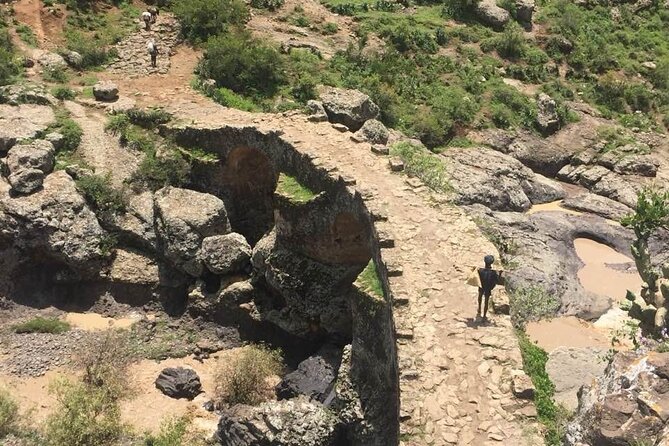
The experience includes the Portuguese bridge, though the supplied details do not provide its construction date, exact setting, or the amount of time spent there. That means I would treat it as an additional point of interest rather than the sole reason to book the outing.
The bridge gives the day another change of scene after the gorge and monastery. You can expect a historic bridge stop within a wider excursion that already combines nature, religion, and regional scenery. If the bridge is your main interest, ask for the precise stop order and visit duration before departure.
This is one of the few areas where the tour description leaves you wanting more detail. It explains the gorge, wildlife, monastery, and saint’s cave clearly, but not the bridge itself. That does not make the stop unimportant. It simply means your expectations should stay flexible.
Birds, forest, and the value of a guide
The forest around the church is named as another good area for bird sightings. That matters because the religious stop is not isolated from the surrounding environment. The natural setting continues around the monastery, allowing the day to shift between architecture, faith, plants, cliffs, and wildlife.
A guide is especially useful here. The species list includes birds that can be difficult to identify quickly, and a guide can help you focus your attention. The guide also provides context for Saint Teclehaimanot and the role of Debre Libanos, which is harder to understand if you simply walk around for a few minutes on your own.
After booking, you receive the guide’s name and phone number. No individual guide’s name is supplied in the tour details, so you should not expect to choose a named guide in advance. What you do get is a direct contact for the person assigned to meet you.
The experience has received a 4.7 rating from seven published reviews, including a report of a booking becoming a private tour when other people canceled. That points to a useful strength: a small booking may still operate privately, though you should not assume that outcome is guaranteed.
The same account praised reliable communication and a professional guide. Those are practical qualities on a day trip. Good communication helps with city pickup, and a professional guide can make the difference between simply seeing a gorge and understanding why the gorge, monastery, and wildlife belong together.
Is $130 per person good value?
At $130 per person, this is not a casual cheap outing. It is better judged against what the price saves you from arranging separately.
You are paying for a full eight to nine-hour experience from Addis Ababa, with pickup offered, a guide, a return to the meeting point, and a small group capped at 10. For you, the price may be fair if you value a planned day and do not want to work out transport, timing, and navigation for a distant religious and natural site.
The value is strongest for first-time visitors to Ethiopia who want one organized day outside the capital. It is also useful if you have limited time and want culture and nature in one trip.
The value is weaker if you already have private transport, prefer to set your own pace, or mainly want a long photography stop at the Portuguese bridge. The itinerary is broad, and the day’s appeal comes from the combination rather than one single headline attraction.
A private outcome is possible when other bookings cancel, as shown by the available experience record, but it should be considered a pleasant possibility rather than part of the standard promise. If your booking remains a shared tour, the group limit still keeps the format reasonably personal.
Weather, timing, and practical planning
The experience requires good weather. If poor weather forces a cancellation, you are offered a different date or a full refund. That is reassuring for an outing built around a gorge viewpoint and outdoor wildlife watching.
You can cancel for a full refund if you do so at least 24 hours before the start time. Changes or cancellations inside that 24-hour window are not accepted and are not refunded. The cut-off follows local time, so pay attention to the time zone when making plans.
Service animals are allowed, and the activity is near public transportation. Most people can participate according to the supplied information. No specific walking or fitness requirement is stated, so ask the operator if you have concerns about the gorge viewpoint, church access, or the day’s physical pace.
The mobile ticket is convenient. You do not need to manage a paper voucher, and the guide’s phone contact gives you a second way to confirm the pickup. I would keep both the ticket and contact details accessible before 7:00 a.m.
Who will enjoy this day trip most?
I would choose this outing if you want to connect several sides of Ethiopia in one day. It works particularly well for you if:
- You want a major gorge view without arranging your own regional transport.
- You are interested in Ethiopian Orthodox Christianity and religious traditions.
- You enjoy watching for birds and endemic mammals, even without a formal wildlife guarantee.
- You prefer a small group to a large coach tour.
- You have a full day available and are comfortable with an early start.
- You want to return to Addis Ababa rather than solve your own transport at the end.
I would think twice if you dislike early departures or want a slow, highly detailed visit at one place. The day covers several interests, so it may feel broad rather than deeply specialized.
Birdwatchers should also keep expectations realistic. The named species make the outing appealing, but no checklist can guarantee sightings. Bring patience, and let the gorge and forest be worthwhile even if a particular bird stays hidden.
Should you book the Debre Libanos and Portuguese Bridge tour?
Book it if you want a well-organized full day that combines the Jemma Gorge, Ethiopian Orthodox heritage, Saint Teclehaimanot’s cave, a Portuguese bridge, and possible Gelada and bird sightings. The small group size, city pickup, guide contact, and return transfer make the $130 price easier to justify for many visitors.
Skip it if you need a short excursion, demand a detailed bridge-focused itinerary, or prefer to travel independently. Before confirming, ask how long the Portuguese bridge stop lasts and what walking is involved. For most visitors with one free day in Addis Ababa, the mix of dramatic scenery, faith, and wildlife makes this a sensible choice.
FAQ
Where does the tour start?
The meeting point is Piazza in Addis Ababa, Ethiopia.
What time does the tour start?
The tour starts at 7:00 a.m.
Where does the tour end?
The activity ends back at the meeting point.
How long does the experience last?
The tour lasts approximately eight to nine hours.
How much does the tour cost?
The listed price is $130 per person.
Is pickup available?
Yes. Pickup is offered from any part of Addis Ababa. After booking, you receive the guide’s name and phone number to help identify the guide.
How many people can join the tour?
The maximum group size is 10 travelers.
What happens if I need to cancel?
You can cancel at least 24 hours before the start time for a full refund. Cancellations or changes made less than 24 hours before the start time are not accepted and are not refunded.
Just added around Addis Ababa
- Yod Abyssinia Cultural Night: Dinner, Music, and Dance★ 5.0 · 7 reviews
- Stunning Views Wonchi Crater Lake a Private Day Trip★ 5.0 · 3 reviews
- Locally crafted beer and wine tasting and nightlife in Addis tour★ 5.0 · 6 reviews
- Two days Lake Wenchi and Menagesha Forest★ 5.0 · 3 reviews
- 3-Day Cultural Tour in South Omo Valley★ 5.0 · 4 reviews
- Addis Ababa City Tours Full-Day Tours★ 5.0 · 5 reviews
- South Omo Valley Tribes 8 Days Tour Package★ 5.0 · 4 reviews
- Day Trip to Tiya UNESCO Site & Melka Kunture Archaeological Site★ 4.5 · 3 reviews
Debre Libanos and Portuguese Bridge Tours, compared.
Day Trip From Addis Ababa To Debre Libanos & Portuguese Bridge
Read our review →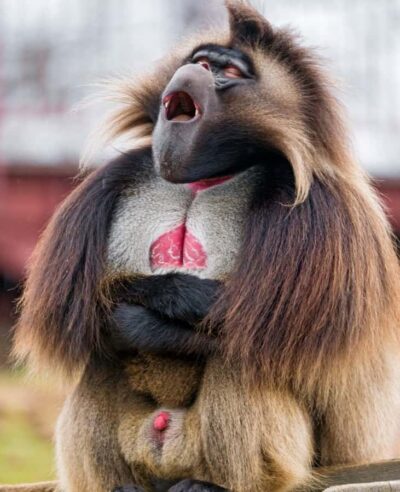
Day trip Debre Libanos, Bule nile George &Portugal Bridge
Read our review →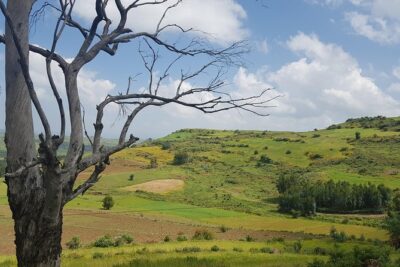
Debre Libanos Monastery and Jemma River Gorge – Day Tour from Addis Ababa
Read our review →
Escape From Addis – Day Trip To Debre Libanos And The Portuguese Bridge
Read our review →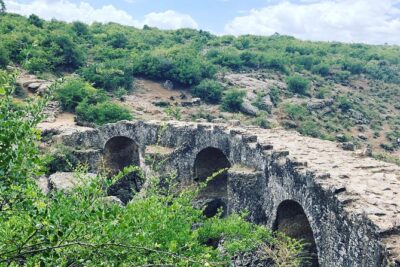
DAY TRIP TO Debre Libanos Monastery Cave Church Nature and Wildlife
Read our review →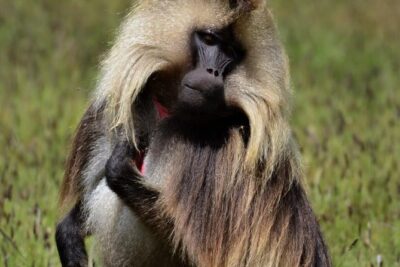
Private Day Trip to Debre Libanos Portuguese Bridge Galada Baboon
Read our review →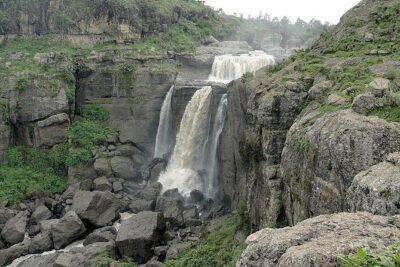
Day Trip From Addis Ababa To Debre Libanos & Blue Nile Gorge
Read our review →Browse the lists this tour appears in