
Reviewed · ETHIOPIAN COFFEE CEREMONIES
Ethiopian Culinary Tour – Market, Coffee Ceremony and More
Ethiopia’s food culture begins with coffee, but this six-hour Addis Ababa tour goes much further. You’ll roast beans, learn the steps of a traditional coffee ceremony, try your hand at injera, and test your bargaining skills among the spices of Merkato.
I like the mix of hands-on food work and city sightseeing. I also like that the price, $85 per person, covers pickup, transport, activities, lunch, water, and hot drinks. The main consideration is pace: six hours packs in several stops, and Merkato can be noisy and tiring for anyone who prefers a slow, quiet outing.
Key points
- Roast and prepare Ethiopian coffee: Begin with Ethiopian arabica beans, including a stop at Tomoca Coffee for Italian-style coffee and macchiato.
- Walk through Merkato: Explore one of Africa’s largest open-air markets, with spice sellers, coffee merchants, and plenty of room to practice bargaining.
- Make your own injera: Learn how Ethiopia’s soft, spongy flatbread is baked, then try your creation with a local spice.
- Taste tej: Visit a local honey-wine bar and sample tej, a traditional drink made mainly from fermented honey.
- Eat at a historic hotel: Finish the food portion with a buffet lunch featuring popular Ethiopian dishes, including vegetarian choices.
- Keep the day simple: Pickup and drop-off are included anywhere in Addis Ababa, including hotels, homes, and the airport.
Coffee First, With Tomoca’s Addis Flavor

The day starts with coffee, which is the right way to approach Ethiopian food culture. At a Tomoca Coffee shop, you’ll taste coffee made from Ethiopian arabica beans in an Italian style, including a macchiato.
This first stop differs from the later ceremony. Tomoca gives you a quick taste of Addis Ababa’s café culture and its Italian influence. The traditional ceremony is slower and more ceremonial, with roasting and preparation handled step by step.
I like this contrast because it gives you two ways to understand Ethiopian coffee. One is the quick café drink you might order in the city. The other is a social ritual that asks you to pause and pay attention.
The exact order of stops can vary, but the coffee shop is described as the opening stop. If coffee matters to you, this is a useful start rather than a throwaway refreshment. You get to compare a macchiato with the coffee prepared later in the day.
More ethiopian coffee ceremonies in Addis Ababa:
Merkato and the Spice Sellers

Merkato is the tour’s most intense stop. It is described as Africa’s largest open-air market, and the experience is less about checking off a single sight than seeing how food moves through Addis Ababa.
You’ll encounter stalls selling local spices and coffee, along with many other food and non-food goods. One of the tour’s clear goals is to put your bargaining skills to work with spice dealers. That gives the market visit a purpose, but you should still expect a lively and demanding walk rather than a polished shopping street.
The spice market matters because it connects the dishes you eat later with the ingredients sold in the city. When you see the colors, textures, and aromas of the spices, the buffet lunch becomes easier to understand. Food is not presented as an isolated restaurant meal. You have already seen part of the trade behind it.
Your guide also helps make sense of the drive and the market. Desale, one guide named by visitors, was praised for explaining local landmarks and the history of different parts of Addis Ababa. Seid was also singled out for his city knowledge and enthusiasm, while Muse served as driver on one outing.
Do not expect a quiet market. Merkato is a place to stay alert, listen to your guide, and keep track of your belongings. The provided information does not specify the walking distance, so anyone with mobility concerns should ask the operator for current details before booking.
The Injera Lesson
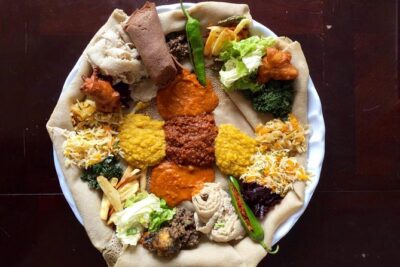
Injera is not just something placed under Ethiopian food. It is the plate, scoop, and foundation of the meal. On this tour, you do not simply receive it at lunch. You get a chance to bake the spongy bread yourself.
The lesson includes a step-by-step demonstration, followed by your own attempt. That practical element is valuable because injera can seem simple when it arrives at the table. Making it shows you that the texture and cooking process require care.
You’ll be able to try your creation with a typical spice. This is one of the most personal parts of the day, especially if you enjoy food activities that let you make something rather than only taste it.
The tour does not promise a formal cooking class with a long list of recipes. Think of it as a focused introduction to one essential Ethiopian food. Your results may not look perfect, and that is part of the fun. The point is to understand the bread and enjoy the attempt.
For anyone who avoids meat, this stop leads naturally into the lunch. One meal described during the experience was a local vegetarian buffet with a range of dishes. The tour material does not promise a special dietary menu, so tell the operator about allergies or restrictions before booking.
A Coffee Ceremony You Can Follow

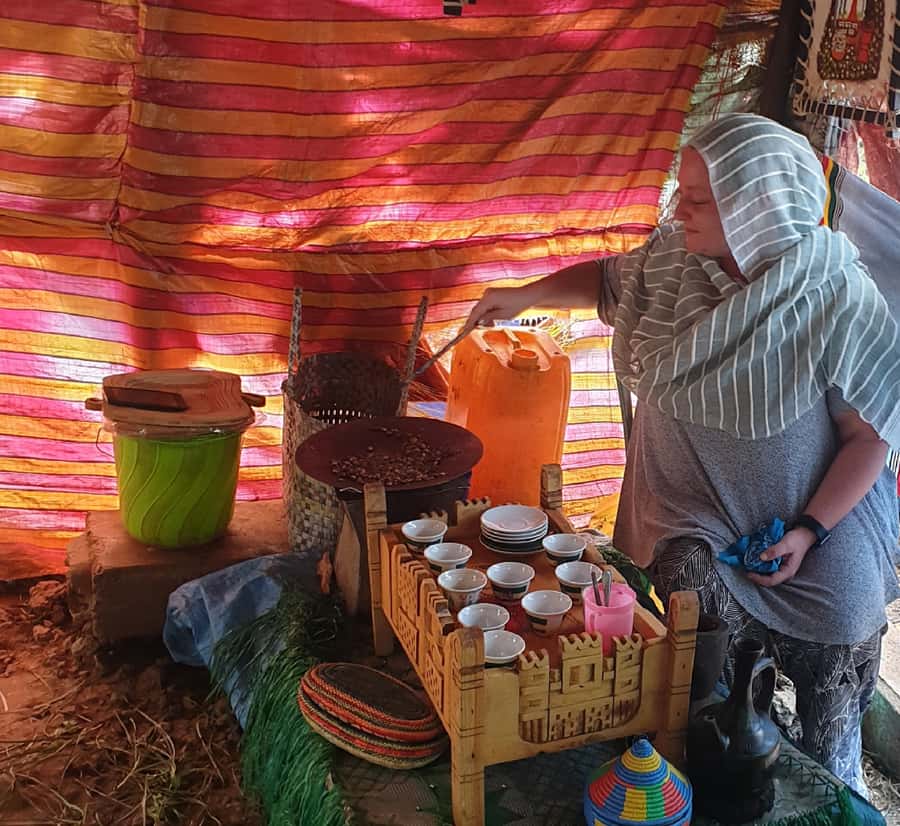
The traditional coffee ceremony is the cultural center of the day. You’ll be shown how Ethiopian coffee is roasted and prepared, rather than simply being handed a cup.
One account of the experience specifically noted roasting personal beans and taking part in the full coffee ceremony. That makes this more than a tasting. You can watch the beans change, follow the preparation, and then drink the finished coffee.
The ceremony also gives the guide space to explain why coffee carries such weight in Ethiopian daily life. The supplied details do not specify the exact setting, number of cups, or length of the ceremony, so do not book it expecting a fixed performance schedule. The useful part is the hands-on sequence and the chance to ask questions in English.
I would save your strongest coffee opinions for after this stop. You have already had the Tomoca macchiato, and the traditional preparation offers a different taste and rhythm. If you only visit a café, you get a drink. Here, you get the process as well.
A few more Addis Ababa trips to weigh up
- Vintage Coffee Shops, Restaurants, Sightseeing in Addis Ababa
★ 5.0 · 17 reviews - Ethiopia coffee cupping class/Ethiopian food injera making
★ 5.0 · 10 reviews - Unique Ethiopian Cooking Class and Coffee Ceremony with a Local in Addis Ababa
★ 4.5 · 7 reviews - Coffee Cupping Tour in Addis Ababa
★ 5.0 · 5 reviews
Lunch at Ethiopia’s Oldest Hotel

Lunch is served buffet style at the first Ethiopian hotel, also described as the oldest hotel. The setting adds a touch of place to what could otherwise be a standard midday meal.
You’ll sample popular Ethiopian dishes rather than choose one plate from a menu. A vegetarian buffet has been included on one outing, so this can work well for people who want to try several meat-free dishes. The meal also includes a bottle of water and hot drinks.
A buffet is a smart format for this kind of tour. You can take small portions, compare flavors, and return for more of what suits you. It is less risky than ordering one unfamiliar dish and hoping it matches your taste.
The tradeoff is that the meal is designed for sampling, not for a long restaurant stay. Since the day includes Merkato, injera, coffee, and tej, lunch is one part of a full schedule. Come hungry, but do not expect the lunch alone to be the whole culinary event.
Tej at a Local Honey-Wine Bar

The final tasting stop is a local tej bar. Tej is an Ethiopian honey wine similar to mead, made mainly from fermented honey.
This is a useful closing stop because it introduces a drink many visitors have not tried before. You’ll receive samples and learn about a beverage that belongs to Ethiopia’s traditional food and drink culture. One account of the day described the tej as delicious, but the taste will depend on your preference for sweet fermented drinks.
The tour includes honey wine, but other alcoholic drinks are not included. That distinction matters if you are planning to order more at the bar. Bring money for anything beyond the included samples, and drink at your own comfort level.
Ending with tej gives the tour a different note from the coffee ceremony. Coffee shows the care that goes into a daily ritual. Tej shows how honey becomes a local drink with its own setting and customs.
What the $85 Covers
At $85 per person, the value depends on how you use the six hours. This is not simply a meal with transport. The cost covers several separate activities and a guide who can connect them to the city.
Included are:
- Pickup and drop-off anywhere in Addis Ababa
- A car, driver, and fuel
- An English-speaking guide
- Fees for the listed activities
- Buffet lunch
- A bottle of water
- Hot drinks
The included transport matters in Addis Ababa because the stops are spread across the city. You are not left arranging separate rides between Tomoca, Merkato, the food lesson, the coffee ceremony, the hotel, and the tej bar.
The guide is another major part of the value. Seid was praised for combining food with city sights and answering questions. Desale was noted for explaining landmarks during the drives, and Zerefa was remembered for creating a friendly cultural exchange. The guide assigned to you may differ, but the experience depends heavily on having someone who can explain more than the food alone.
At this price, I would book it for the range rather than for any single stop. If you only want coffee, a café visit costs less. If you want market shopping alone, a guide may not be necessary. But if you want transport, food preparation, tastings, lunch, and city context in one half-day, the package is practical.
Timing, Pickup, and What to Bring

The experience lasts six hours, with starting times shown according to availability. Pickup is included from hotels, houses, or the airport in Addis Ababa.
You should wait in your hotel lobby for 15 minutes before or after the scheduled pickup time. That small buffer matters, especially if your morning plans are tight. Give yourself room before booking another activity immediately afterward.
Bring a passport or ID card. The tour takes place rain or shine, so plan for changing weather rather than assuming the day will be adjusted indoors.
The description does not state the group size, vehicle model, walking distance, or exact order of every stop. Ask about those points if they affect your decision. The market section, in particular, may feel more tiring than the coffee and cooking portions.
Free cancellation is available up to 24 hours before the activity for a full refund. You can also reserve now and pay later, which helps if your Addis Ababa schedule is still shifting.
Who Will Get the Most From This Day

I would recommend this tour to first-time visitors who want food to be a way into the city. You get several flavors of Addis Ababa without having to arrange transport, research restaurants, or find a coffee ceremony on your own.
It also suits curious eaters who enjoy participation. Baking injera, roasting beans, and tasting tej all give you something to do, not just something to photograph.
The tour is a good match for people who want local context along with lunch. Guides such as Desale and Seid have been noted for adding information about landmarks, culture, and city history during the drives. That extra explanation helps turn a series of stops into a connected day.
I would think twice if you dislike markets, bargaining, or a packed schedule. Merkato may be too much if you want a calm food tour. Likewise, anyone seeking a full cooking course should understand that the injera lesson is one part of a broader cultural outing.
Alcohol is another simple consideration. Tej is included, but other alcoholic drinks are not. If you do not drink, the coffee, market, injera, and lunch still provide most of the substance of the day.
Should You Book the Ethiopian Culinary Tour?

Book it if you want a well-rounded introduction to Addis Ababa through food. The strongest parts are the coffee ceremony, the chance to make injera, and the market visit, while the included transport and lunch make the $85 easier to justify.
The tour is not built around one long, relaxed meal. It moves from café to market to cooking lesson to ceremony, lunch, and tej. That variety is its strength, but it also means you should be ready for a full six hours.
For a first day in Addis Ababa, or for anyone who wants practical cultural contact rather than a restaurant-only outing, I think it is a sound choice. Ask about the exact pickup time and walking demands, bring your ID, and arrive ready to taste, bargain, bake, and ask questions.
FAQ
How long does the Ethiopian Culinary Tour last?
The tour lasts six hours.
How much does the tour cost?
The price is $85 per person.
Is pickup included?
Yes. Pickup and drop-off are included from any location in Addis Ababa, including hotels, houses, and the airport.
Is transportation included?
Yes. Ground transport includes a car, driver, and fuel.
Is lunch included?
Yes. A buffet lunch is included, along with a bottle of water and hot drinks.
What language is the tour conducted in?
The live tour guide speaks English.
What coffee experiences are included?
You’ll visit a Tomoca Coffee shop for Italian-style coffee and macchiato made with Ethiopian arabica beans, then learn the steps of a traditional Ethiopian coffee ceremony.
Is honey wine included?
Samples of Ethiopian tej, a traditional honey wine, are included. Other alcoholic drinks are not included.
What should I bring?
Bring a passport or ID card.
Can I cancel for a refund?
Yes. You can cancel up to 24 hours in advance for a full refund. You can also reserve now and pay later.
More Shopping Tours in Addis Ababa
- Addis Ababa Half Day Shopping Tour
★ 5.0 · 3 reviews
More Markets in Addis Ababa
- Addis Ababa +Mount Entoto View Point,Museums Palace Market Tours
★ 5.0 · 42 reviews - Go wheretheLocalsgo, Eatwhat thelocalseat!open Market&More Tours
★ 5.0 · 33 reviews - Addis Mercato Market
★ 5.0 · 22 reviews - Addis Ababa: Entoto hill and Mercato Market layover tour
★ 5.0 · 5 reviews
Just added around Addis Ababa
- Yod Abyssinia Cultural Night: Dinner, Music, and Dance★ 5.0 · 7 reviews
- Stunning Views Wonchi Crater Lake a Private Day Trip★ 5.0 · 3 reviews
- Locally crafted beer and wine tasting and nightlife in Addis tour★ 5.0 · 6 reviews
- Two days Lake Wenchi and Menagesha Forest★ 5.0 · 3 reviews
- 3-Day Cultural Tour in South Omo Valley★ 5.0 · 4 reviews
- Addis Ababa City Tours Full-Day Tours★ 5.0 · 5 reviews
- Day Trip to Tiya UNESCO Site & Melka Kunture Archaeological Site★ 4.5 · 3 reviews
- Tribes of the Ethiopian Omo Valley – 9 Day Tour★ 5.0 · 5 reviews
Ethiopian Coffee Ceremonies, compared.
Ethiopian Culinary Tour – Market, Food, Coffee Ceremony & more
Read our review →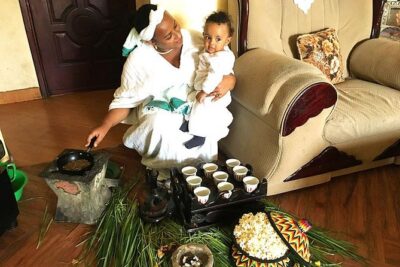
Market Tour and Cooking Class with a Coffee Ceremony at a Home in Addis Ababa
Read our review →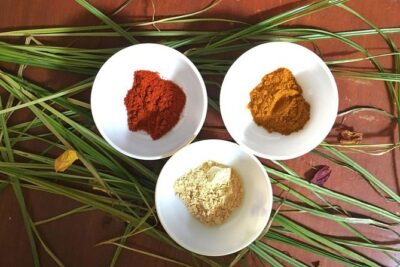
Ethiopian Cooking Class and Coffee Ceremony with a Local in Addis with transfers
Read our review →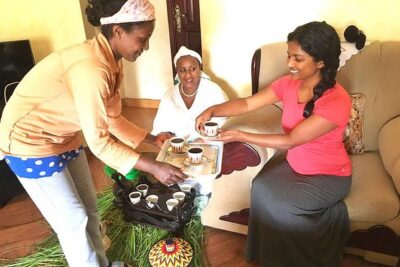
Unique Ethiopian Cooking Class and Coffee Ceremony with a Local in Addis Ababa
Read our review →
Churches Full-Day Private Tour w/Coffee Ceremony
Read our review →Browse the lists this tour appears in