
Reviewed · SHOPPING TOURS
Vintage Coffee Shops, Restaurants, Sightseeing in Addis Ababa
Addis Ababa makes the most sense when you move between its museums, coffee tables, old streets, and dining rooms. This private tour brings those pieces together, beginning with Lucy at the National Museum and potentially ending with live Ethiopian music and dancing at Totot Traditional Food Hall.
I like the flexible route, which lets you spend more time on history, food, coffee, or local life instead of following a rigid script. I also like the chance to meet guides such as Gashaw, Fitsum, Desale, or Moges, who can adapt the day to your interests and explain the city in a personal way.
The main drawback is that the tour tries to cover a lot. Traffic, meal timing, and your starting hour may affect what fits into two to eight hours. Lunch, dinner, and some food and drink stops cost extra, so the $70 price is not the full cost of the day.
Key points to know before booking
- Lucy at the National Museum: Start with Ethiopia’s famous early hominid skeleton and a useful introduction to the country.
- Old Addis coffee culture: Stop at an old cafeteria and learn about coffee’s Ethiopian roots while tasting it in traditional settings.
- Piazza on foot: Walk through the city center for Italian-influenced architecture, street life, and a view from the Municipality office.
- Local food choices: Eat at Ras Dashen, with Taitu Hotel as a possible alternative if the timing changes.
- Music and honey wine: Finish at Totot Traditional Food Hall for food, beer, tej, live music, and cultural dancing.
- Private and adjustable: Only your group takes part, with pickup offered and the route shaped around your schedule.
Why this tour works for a first day in Addis Ababa
Addis Ababa is not a city you understand from a car window. Its character comes from small shifts in mood: a museum case holding an early ancestor of humanity, a busy street lined with old buildings, a slow coffee ritual, and a restaurant where music turns dinner into a social event.
That is the strength of this outing. It gives you a broad first look without treating the city as a checklist. Your guide can explain the history behind a place, then take you somewhere ordinary but more revealing, such as an old cafeteria or a traditional food hall.
The private format matters. You do not have to keep pace with strangers, and you can tell your guide if you want more time with Ethiopian history, local dishes, coffee, or people-watching. Past guides have included Gashaw, Fitsum, Desale, and Moges. The consistently praised part of their work is their ability to explain the city clearly and adjust the day to individual interests.
This also makes the tour useful during a long layover. Pickup is offered, and arrangements have included early airport collection and hotel drop-off. You should confirm the timing and pickup point before booking, especially if your connection leaves little room for traffic delays.
A few more Addis Ababa trips to weigh up
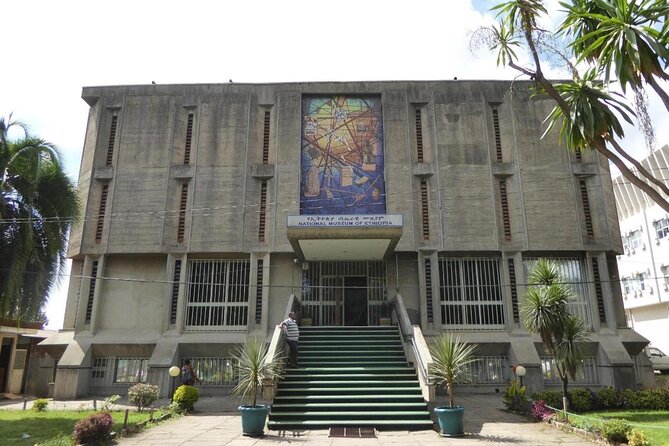
Lucy and the National Museum of Ethiopia
The first scheduled stop is the National Museum of Ethiopia, with about an hour inside and admission included. This is the right place to begin because it gives context to nearly everything else you will see in Addis Ababa.
The museum holds antiquities, paintings, and archaeological material, but Lucy is the headline attraction. This famous hominid skeleton is presented as one of humanity’s early ancestors. Seeing her is more meaningful when your guide explains what the discovery means and how it fits into Ethiopia’s place in the story of human origins.
I would give this stop your full attention rather than rushing through it for photographs. A good guide can turn the museum from a quiet collection of objects into a clear introduction to Ethiopia’s past, culture, and regional variety. Gashaw, in particular, is described as offering detailed explanations and connecting museum displays to wider Ethiopian history.
The museum visit has a practical limit: one hour is enough for an overview, not an exhaustive look at every gallery. If you are strongly interested in archaeology or art, tell your guide at the start. The flexible format may allow extra time, but that could mean trimming a later stop.
Lunch at Ras Dashen or Taitu Hotel
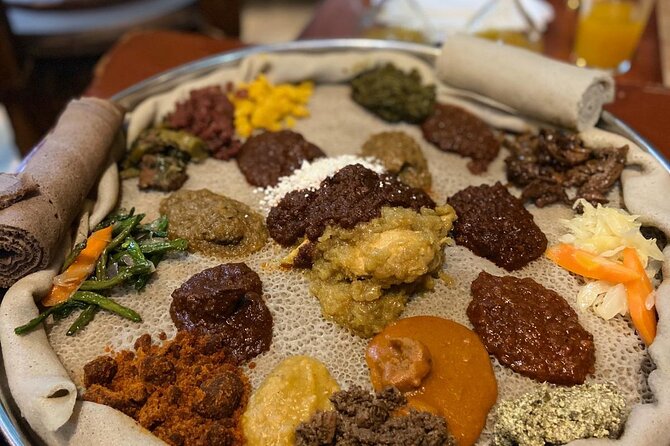
The planned lunch stop is Ras Dashen, with about 90 minutes set aside. The meal is not included, but this is one of the better places to use your own money because food is part of the tour’s main purpose, not an afterthought.
You can expect a broad selection of vegetarian and non-vegetarian Ethiopian dishes. The restaurant is intended to give you a taste of local cooking in a comfortable setting, and your guide can help explain what you are ordering. If the day is running late, the lunch may shift to Taitu Hotel.
That flexibility is useful, but it also means you should not treat the restaurant name as fixed. Ask your guide what is available on your date and how the change might affect the route. The 90-minute window allows time to eat at a relaxed pace, but it may feel long if you are only looking for a quick meal during a short layover.
Ethiopian food is a major reason to keep this stop. Vegetarian dishes are especially important here, and you can try several preparations at one table rather than ordering a single plate. The supplied details do not specify an exact menu, so your guide’s advice will be more useful than arriving with a fixed order in mind.
Remember to budget for lunch separately. The $70 tour fee covers the guided outing and the listed included admissions and coffee stop, but the meal is not part of that price.
Walking through Piazza and central Addis Ababa
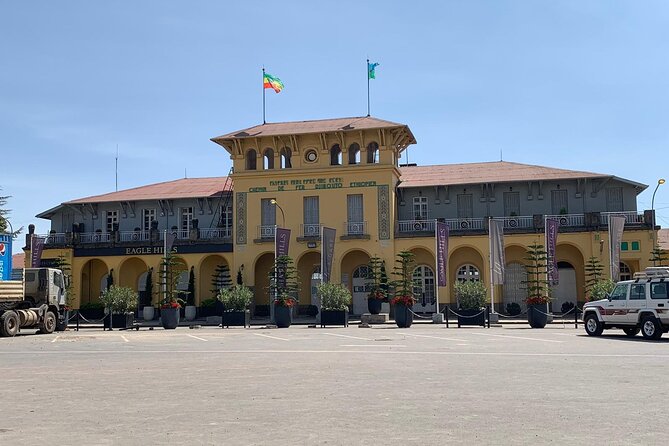
After lunch, the tour moves into Piazza, described as the geographic center of Addis Ababa. This is where the outing becomes less about formal sights and more about reading the city through its streets.
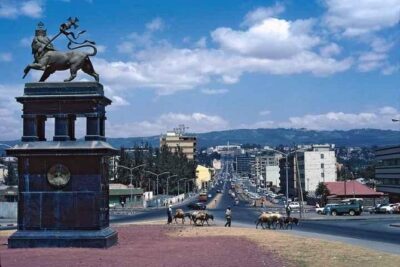
The walk includes King Menelik’s statue, Italian-influenced architecture, people-watching, and a route toward the National Theatre. You will also visit the Municipality office for a broad city view. The walk lasts about 80 minutes, with admission listed as free.
Piazza is a good place to let the guide set the pace. You might stop for a building detail, watch the flow of pedestrians, or ask how Addis Ababa has changed over time. The architecture and street plan reflect several layers of the city’s past, and a local guide can point out details you might otherwise pass without noticing.
The walk is not a formal architectural tour with a long list of named buildings. Its value comes from the connections between places. You see a statue, walk through central streets, pause for a view, and finish near the National Theatre. That makes it a useful bridge between the museum and the more social parts of the day.
Wear comfortable shoes and keep your schedule loose. The tour includes walking and interaction with local people, while city traffic can affect the driving portions between stops. Near public transportation, Piazza is also a practical place to continue exploring if you choose to end the tour early.
Same country, a very different kind of day:
- Full Day Tour of Addis Ababa with Hotel Pickup and Drop-off
★ 5.0 · 430 reviews - Taste of Ethiopia
★ 5.0 · 406 reviews - Day Trip From Addis Ababa See Historical Monastery,Stunning Nature,Animals,Birds
★ 5.0 · 303 reviews - Addis Ababa: Debre Libanos, Blue Nile Gorge, and Cave Tour
★ 4.5 · 256 reviews
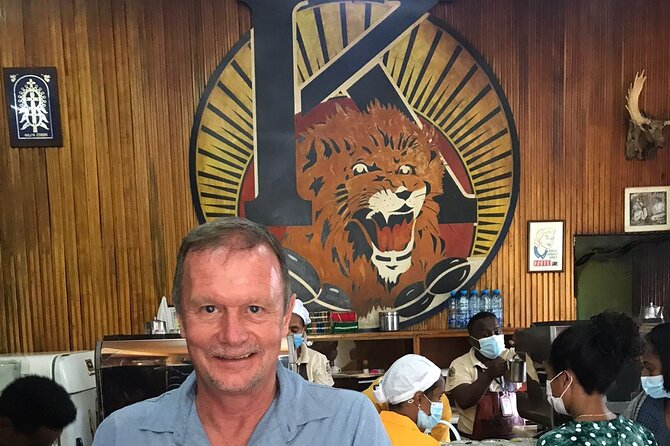
Coffee in an old cafeteria

Coffee is treated as a central part of Addis Ababa rather than a quick refreshment. During the Piazza walk, you stop at one of the city’s oldest cafeterias. Later, at Meskel Square, you have another coffee with an explanation of Ethiopia’s coffee origins, its social importance, and its international influence.
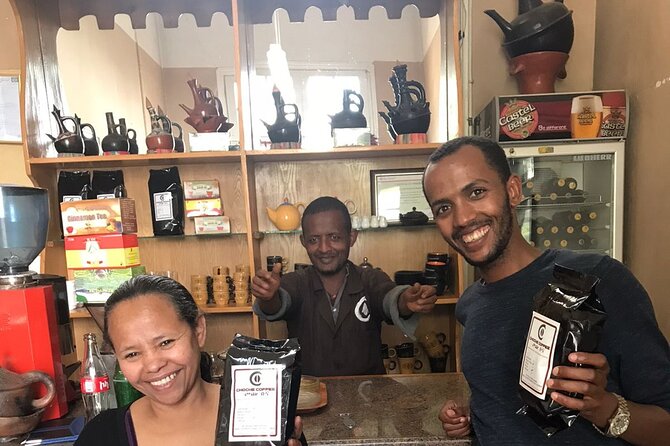
I like this two-part approach. The old cafeteria gives you the everyday side of coffee culture, while the later stop provides more background. You are not simply handed a cup and sent on your way. The guide can explain why coffee matters in Ethiopia and how a local coffee tradition became a worldwide habit.
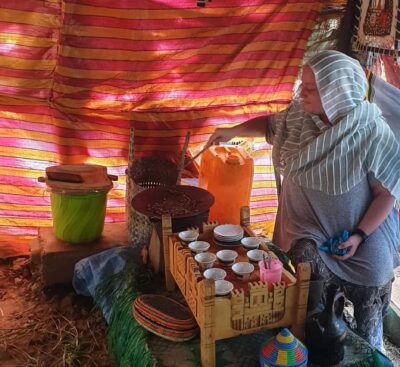
The tour overview also includes a traditional coffee ceremony. Exact ceremony details are not specified, so you should ask whether the full ceremony is planned for your time slot or whether the schedule will focus on the cafeteria and the special coffee stop.
Coffee stops can be among the most memorable parts of a city day because they slow the pace. After the museum and the walk through Piazza, sitting down gives you time to ask questions and compare what you have seen. It is also a natural moment to discuss Ethiopian culture beyond the standard sightseeing route.
The second coffee stop is listed as included. Other meals and drinks are not. If you do not drink coffee, you can still use the stop to learn about the ritual and its place in daily life, but coffee is clearly one of the tour’s main themes.
Meskel Square, Addis Ababa’s open-air meeting place

Meskel Square is scheduled for about an hour. It is the largest open-air area in Addis Ababa and is used for public gatherings, concerts, and the annual Meskel ceremony, which marks the finding of the True Cross.
The tour takes you across the terrace and allows time to sit and watch the city. This is not a packed attraction with a long indoor visit. It is an open civic space, and its appeal changes with the time of day and what is happening there.
Calling it the Time Square of Ethiopia gives you a rough sense of its public role, but the comparison should not lead you to expect a dense wall of commercial signs. The appeal here is the scale of the place and the way people use it. Your guide can explain the religious festival and other public events that give the square meaning.
The square also provides a pause between the afternoon walk and the evening food stop. That matters on a tour with many moving parts. You can sit, have coffee, and talk through the rest of the day rather than racing from one sight to the next.
The included coffee stop near Meskel Square is paired with a discussion of coffee’s origins and international reach. If you are planning a shorter half-day, ask your guide whether this stop and the evening food hall can both fit. The advertised duration begins at about two hours and may extend to eight, so the exact plan depends on your available time.
Totot Traditional Food Hall and Ethiopian nightlife
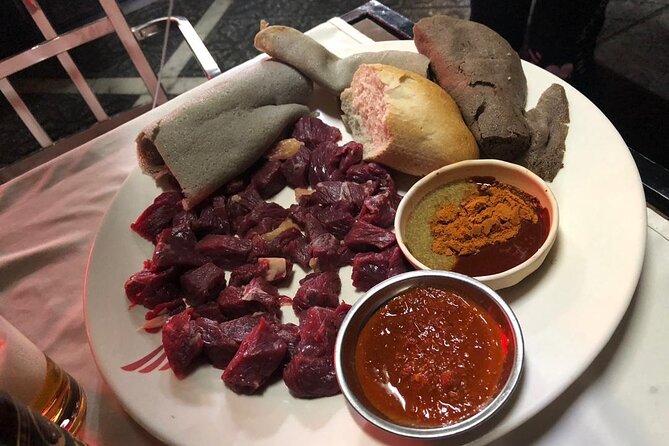
The final listed stop is Totot Traditional Food Hall in Gerji, with about two hours planned. This is the most social part of the tour and the clearest change of pace from the museum and city walk.
You can order a variety of local foods, beer, and honey wine, also known as tej. Live music and cultural dances from different parts of Ethiopia are part of the evening. You may even be invited to join in, so it is wise to bring a sense of humor and not worry about giving a perfect performance.
This stop is not included in the tour price. You pay for your own food and drinks, and you should ask your guide about current choices and costs. The tour also offers the option of visiting smaller music venues instead, with that decision made during the day.
That choice is valuable. Totot gives you a larger, organized evening setting with food and performances. A smaller music place may feel more intimate, but the specific venue is not fixed in advance. If live music is important to you, explain what sort of evening you want before the route is finalized.
The food hall is best for people who want contact with local nightlife rather than a quiet restaurant meal. It may be less suitable if you are exhausted after an overnight flight or have an early departure. In that case, ask to shorten the evening or end after the coffee and central city stops.
Guides, flexibility, and the private format

The strongest feature of this Addis Ababa tour is the guide. Guides named in the supplied material include Gashaw, Fitsum, Desale, and Moges. Their reported strengths include clear explanations of Ethiopian history and culture, a friendly manner, and a willingness to adjust the route.
One guide took a visitor to a pottery workshop because of a personal interest in ceramics. That detail tells you how the private format can work at its best. You can raise an interest during the day, and the guide may be able to replace or add a stop if time and location allow.
The format is genuinely private: only your group participates. Pickup is offered, mobile tickets are available, and group discounts are listed. Most people can participate, and the tour is near public transportation.
There has been one practical warning in the supplied material: a guide and driver arrangement was slightly late on one occasion. That does not define the whole operation, but it is a reason to confirm pickup details and leave a buffer if you are connecting to a flight.
The tour is also weather-dependent and requires a minimum number of people to operate. If poor weather or insufficient bookings cancel it, you are offered another date, another experience, or a full refund.
Is $70 a good value?
At $70 per person, this tour is priced as a private, flexible city introduction rather than a simple museum visit. The value is strongest if you want transportation, a guide, historical explanation, food guidance, coffee stops, and the freedom to shape the day around your interests.
Admission to the National Museum is included, as is the listed coffee stop. Lunch, dinner, drinks, and admission at any alternative venues are not included. For a fair comparison, add your expected meal and drink costs before deciding.
A solo visitor may find the price worthwhile because arranging several stops, local restaurants, and evening music independently takes time. Couples and small groups may see better value because the private guide cost is shared among more people. Group discounts may also lower the per-person price.
The price is less compelling if you only want one museum and a quick city walk. It is also less suitable if your budget depends on having every expense covered in advance. The experience is designed around choices, which means your final spending will vary.
Who should book this Addis Ababa tour?
I would choose it for a first visit, a long layover, or a short stay when you want a quick grasp of the city’s past and present. It suits solo visitors who prefer company and local direction, including solo women who want a private guide and a clearly arranged day.
It is also a good match if coffee, Ethiopian food, and music matter as much to you as museums. The day is not built only for sight collectors. It gives you time to sit, eat, listen, and ask questions.
Families and older visitors should discuss the amount of walking and the late food-hall stop before booking. The itinerary can be adjusted, but the published plan includes streets, terraces, and several changes of location.
Book at least a few days ahead if possible. The tour is booked on average six days in advance, and early confirmation gives you more time to explain your interests, pickup needs, and available hours.
Free cancellation is available up to 24 hours before the start time for a full refund. Changes made within 24 hours are not accepted, and the local cutoff time applies.
Should you book it?
Book this tour if you want Addis Ababa explained by a local guide and experienced through several senses: museum displays, street architecture, coffee, food, music, and conversation. Its best feature is not any single stop. It is the way the guide can connect them and adjust the day.
Skip it if you want a fixed, tightly timed program with all meals included or if you have only a very short airport connection. For most first-time visitors with half a day or more, the private format and flexible route make $70 a reasonable starting point, provided you budget extra for food and drinks.
FAQ
How long does the Addis Ababa tour last?
The experience lasts approximately two to eight hours. The exact length depends on your available time and the route you arrange with the guide.
What is the price?
The listed price is $70 per person. Group discounts are offered.
Is this a private tour?
Yes. Only your group participates in the activity.
Is pickup available?
Yes. Pickup is offered. Arrangements have also included airport pickup for visitors with a long layover, but you should confirm your exact pickup point and time.
Is admission to the National Museum included?
Yes. Admission to the National Museum of Ethiopia is included.
Are lunch and dinner included?
No. Lunch at Ras Dashen, or possibly Taitu Hotel, is not included. Food and drinks at Totot Traditional Food Hall are also paid separately.
Is coffee included?
The itinerary lists an included coffee stop at Meskel Square. The tour also includes coffee at an old cafeteria and a traditional coffee experience, but you should confirm the exact format when arranging your day.
Can the itinerary be changed?
Yes. The route can be adjusted around your interests and available time. A smaller music venue may replace Totot Traditional Food Hall, and Taitu Hotel may replace Ras Dashen depending on the schedule.
What is the cancellation policy?
You can cancel at least 24 hours before the start time for a full refund. Cancellations or changes made less than 24 hours before the start time are not accepted for a refund. If poor weather or an insufficient number of bookings cancels the tour, you are offered another date, another experience, or a full refund.
Just added around Addis Ababa
- Yod Abyssinia Cultural Night: Dinner, Music, and Dance★ 5.0 · 7 reviews
- Stunning Views Wonchi Crater Lake a Private Day Trip★ 5.0 · 3 reviews
- Locally crafted beer and wine tasting and nightlife in Addis tour★ 5.0 · 6 reviews
- Two days Lake Wenchi and Menagesha Forest★ 5.0 · 3 reviews
- 3-Day Cultural Tour in South Omo Valley★ 5.0 · 4 reviews
- Addis Ababa City Tours Full-Day Tours★ 5.0 · 5 reviews
- South Omo Valley Tribes 8 Days Tour Package★ 5.0 · 4 reviews
- Day Trip to Tiya UNESCO Site & Melka Kunture Archaeological Site★ 4.5 · 3 reviews
Shopping Tours, compared.

Ethiopian Culinary Tour – Market, Food, Coffee Ceremony & more
Read our review →
Addis Ababa +Mount Entoto View Point,Museums Palace Market Tours
Read our review →
Go wheretheLocalsgo, Eatwhat thelocalseat!open Market&More Tours
Read our review →
Market Tour and Cooking Class with a Coffee Ceremony at a Home in Addis Ababa
Read our review →
Ethiopian Culinary Tour – Market, Coffee Ceremony and More
Read our review →
Browse the lists this tour appears in