
Reviewed · ETHIOPIAN COOKING CLASSES
Private Ethiopian Home Cooking Class in Addis Ababa with Transfer
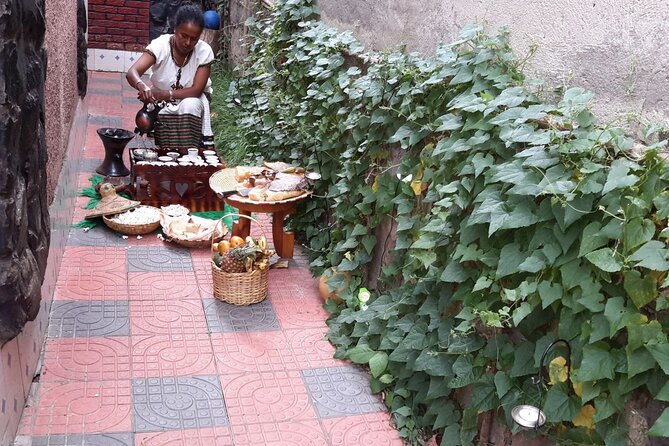
The best part of this Addis Ababa experience is not simply learning a recipe. It is entering Hilena’s family kitchen, seeing how food is bought and prepared locally, then sitting down to eat it in the same home. If you choose the market option, you will also visit Sansusi, a neighborhood market about 20 kilometers from the airport.
I like the private format, which gives your group room to ask questions and work at its own pace. I also like the complete food arc: market produce, hands-on cooking, a house-made meal, and Ethiopian coffee at the end. The main consideration is communication. Hilena is not very fluent in English, so her brother translates throughout the class, and the home is on the outskirts of Addis Ababa rather than in the city center.
Key points to know before booking
- Hilena teaches in her own home: Her family recipes and lifelong cooking experience give the class a personal feel.
- Sansusi market adds local context: The optional visit includes stalls with grains, vegetables, fruit, live chicken, sheep, and clothing.
- Your meal is more than one dish: Expect Beyaynetu, Shiro, Genfo, and Anebabero, with the menu subject to seasonal changes.
- The class is private: Only your group takes part, though other people may be staying at Hilena’s guest house.
- A translator is present: Hilena’s brother helps with English throughout the experience.
- The transfer matters: The home is about 20 kilometers from Addis Ababa airport, so pickup makes the outing much easier.
A home kitchen instead of a cooking school
Many food classes put you in a polished studio with rows of identical workstations. This one takes place in a local home, where the setting is part of the lesson. You are not only learning how to prepare Ethiopian food. You are seeing how a family welcomes people, shares a meal, and connects cooking with daily life.
Hilena is a native of Addis Ababa and has cooked since childhood. That matters because family recipes often teach more than a printed ingredient list. You can ask how a dish fits into an Ethiopian meal, watch the preparation in a real household kitchen, and understand the food in the place where it is normally made.
The experience lasts about three hours. That is enough time for a market visit, cooking, eating, and coffee, but it is not a quick demonstration. One useful warning: plan to arrive hungry but not famished. The meal can be substantial, and the cooking itself takes time.
The class is private for your group. Hilena runs a guest house, so other people may be staying at the property, but your Traveling Spoon experience is not combined with another booking. This is useful if you want a quieter family activity or need to ask about vegetarian food or dietary restrictions.
More ethiopian cooking classes in Addis Ababa:
- Market Tour and Cooking Class with a Coffee Ceremony at a Home in Addis Ababa
★ 5.0 · 32 reviews - Addis Ababa City Tours With Cocking Class of Ethiopian Food
★ 5.0 · 20 reviews - Ethiopian Cooking Class and Coffee Ceremony with a Local in Addis with transfers
★ 5.0 · 14 reviews
The Sansusi market option
If you select the market tour, you begin with a local street-side market in Sansusi. This is not presented as a major sightseeing market with souvenir stalls and a set route. It is a neighborhood place where people shop for ordinary needs.
You might see stalls selling grains, vegetables, fruits, clothing, live chickens, and sheep. That range gives you a better sense of how food and household shopping fit into the local setting. It also helps you connect the ingredients on the cooking table with the way they are sold nearby.
You may buy a few vegetables and herbs for the class. I like this part because it gives you a small role in the meal rather than making you a passive observer. You walk through the market, learn about produce that grows locally, and then carry some ingredients back to Hilena’s home.
The market is also where you should adjust your expectations. A street-side neighborhood market may be busy, basic, and visually strong, but the focus is on shopping and learning rather than a formal guided tour. The available produce can change with the season, and the menu may change along with it.
If you are short on time, confirm which version you are booking. The market visit is described as an option, while the cooking class itself is the core activity.
Cooking two Ethiopian dishes with Hilena
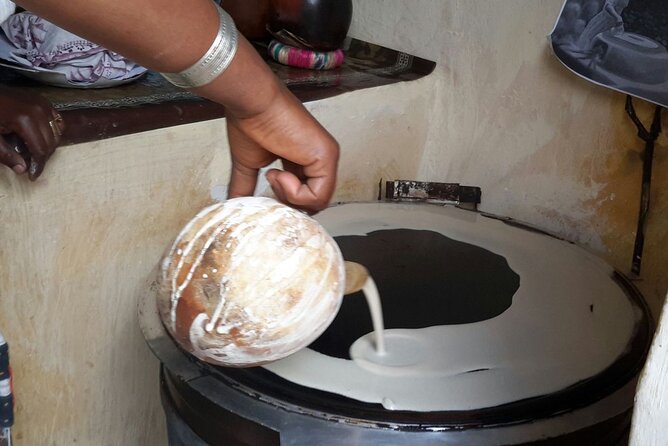
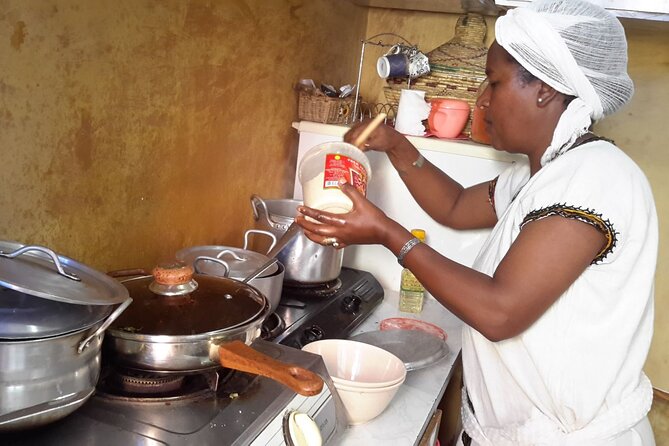
Back at the house, Hilena teaches you to prepare two traditional Ethiopian dishes using family recipes. The supplied details do not identify exactly which two dishes you will cook, so you should treat the menu as flexible rather than expecting a fixed lesson every time.
That flexibility is sensible in Addis Ababa. Ingredients vary by season, and personal dietary needs can affect the plan. Tell the provider about allergies, restrictions, and cooking preferences at the time of booking. A vegetarian option is available if requested in advance.
The class is designed around participation. You are there to cook, not simply watch someone prepare lunch. The home kitchen makes the lesson feel connected to the meal that follows, and the market option gives you an even clearer sense of where some ingredients begin.
Hilena’s brother translates because Hilena is not very fluent in English. This is an important practical detail, not a minor footnote. The translator should make instructions and questions easier to follow, but the class may not have the fast, free-flowing conversation you would get from an English-speaking chef.
I would treat the language arrangement as part of the experience. You may communicate through demonstration, gestures, and translated explanations. That can make the lesson slower at times, but it also keeps the emphasis on watching, helping, and sharing a home rather than on a polished culinary lecture.
The dishes you can expect at the table
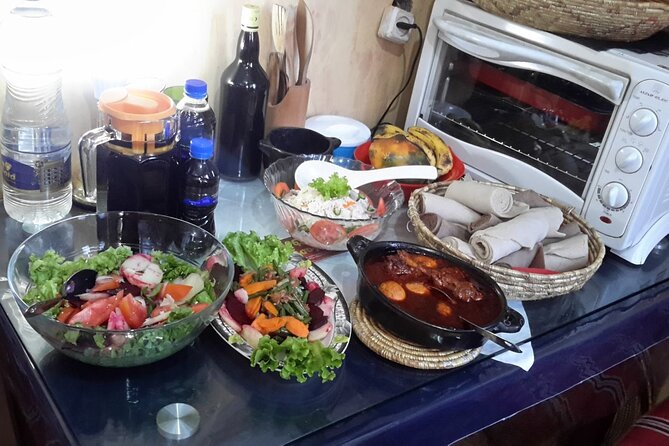
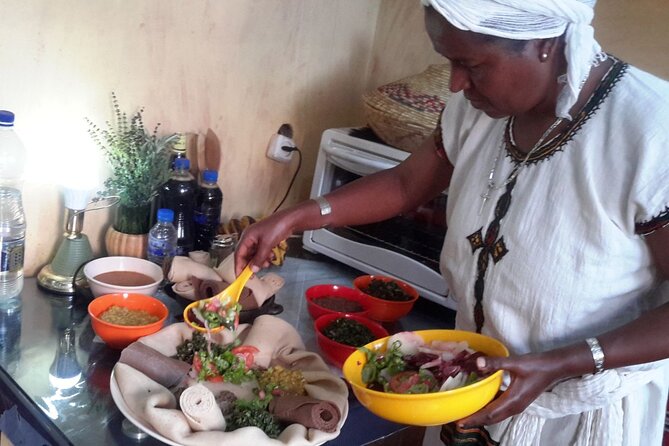
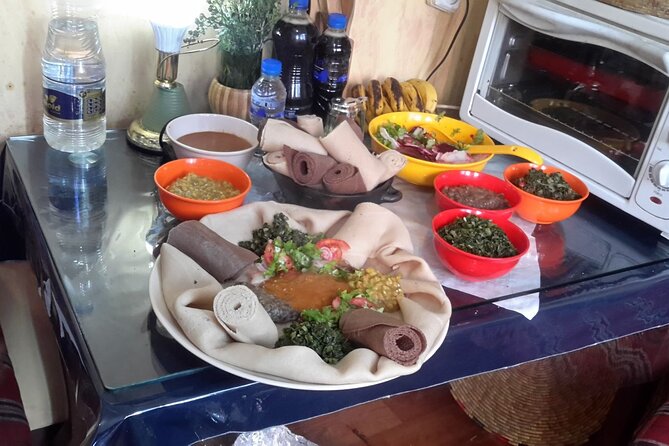
The meal includes house-made Beyaynetu, a vegetable platter, and Shiro, a chickpea stew. These give you a useful introduction to two different sides of Ethiopian home cooking: a spread of vegetable preparations and a warming stew built around ground chickpeas.
You will also have Genfo, a porridge, and Anebabero, an Ethiopian bread. The result is a generous meal with several textures and styles rather than one main plate. One prior booking described the course as long and full of food, so do not plan another large meal immediately afterward.
The listed meal is not necessarily identical to the two dishes you prepare. The class menu can vary with the season, and dietary requests may alter it. Ask about the planned menu if you have a strong preference or need to avoid a particular ingredient.
The meal is served in the host’s home, where you eat together after cooking. That shared table is the point of the outing. You get to taste the result while still in the kitchen and home where it was prepared, rather than leaving with a recipe and eating separately somewhere else.
For a first introduction to Ethiopian food, this format is more useful than a restaurant meal alone. A restaurant lets you sample finished dishes. Here, you can connect the ingredients, preparation, family method, and meal in one sitting.
A few more Addis Ababa trips to weigh up
- Unique Ethiopian Cooking Class and Coffee Ceremony with a Local in Addis Ababa
★ 4.5 · 7 reviews - Addis abeba Full Cooking class.
★ 5.0 · 6 reviews
Ethiopian coffee closes the class
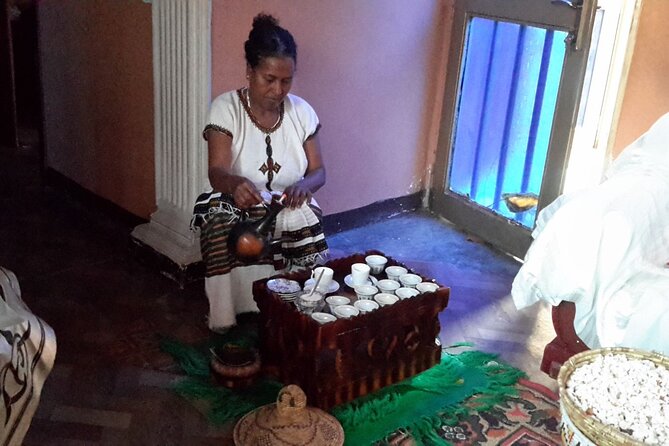
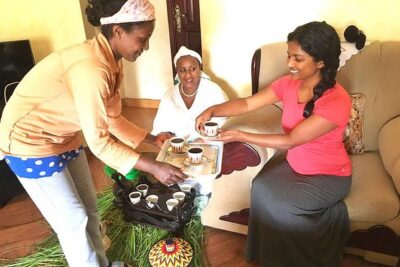
The experience ends with a cup of Ethiopian coffee. Coffee is an important part of everyday life in Ethiopia, so this final pause gives the meal a natural finish.
The coffee is not described as a separate formal ceremony, so you should not book this expecting a long staged presentation. Think of it as time to relax with your host after cooking and eating.
That slower ending suits the home setting. The class is not built around rushing you back to a tour bus or pushing you into a shop. After a market visit and a full meal, coffee gives you a chance to sit, talk through translation, and let the experience settle.
Transfer, location, and the three-hour schedule
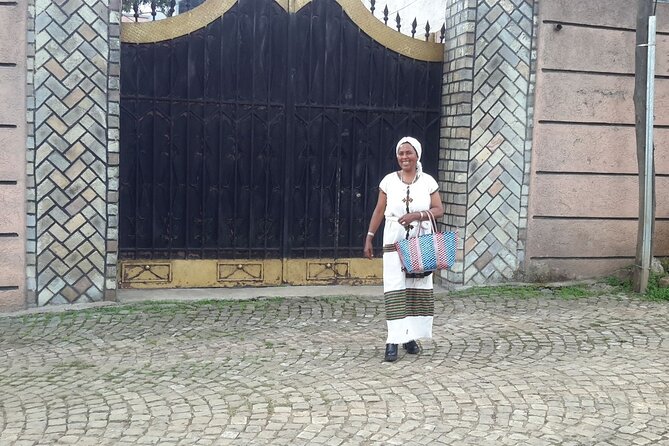
Pickup is offered, which is a major advantage here. Hilena’s home is in Sansusi, on the outskirts of Addis Ababa, about 20 kilometers from the airport. The distance can make independent arrival less convenient, especially if you are unfamiliar with the area.
The stated duration is about three hours. The total time may feel different depending on whether you choose the market option, how much cooking your group does, and how long the meal lasts. The class is not a quick airport stop unless your schedule has plenty of margin.
If you are planning this around a flight, be careful. The home is about 20 kilometers from the airport, but the actual transfer time is not provided. Addis Ababa traffic can affect any city journey, so do not place the class close to your departure time. The activity may work well during a longer stay or with a generous connection, but the details of your pickup and return should be confirmed before booking.
The mobile ticket and booking confirmation make the reservation simple. Confirmation is received at booking, and pickup is offered, but the supplied details do not state exact pickup hours or a precise meeting point. Use the booking conversation to confirm those details.
Is $124 a fair price?
At $124 per person, this is not the cheapest way to eat in Addis Ababa. You can find a less expensive restaurant meal, and a standard market visit may cost less than a private class with transportation.
The value comes from what is bundled together: private instruction, a local home, possible market shopping, a meal with several Ethiopian dishes, translation support, and pickup. For a person who wants food to be the main cultural activity, that combination can justify the price.
The price also makes more sense for a small group. Group discounts are offered, so check the rate for your party rather than assuming the per-person figure is final. A private experience divided among several people can offer better value than booking separate activities.
I would not book this mainly to master Ethiopian cooking in three hours. You will learn methods and family dishes, but the class is also about setting, hospitality, and the act of sharing food. If you want a formal chef-led course with exact measurements and professional equipment, this may feel informal.
If you value personal contact and want a meal that begins with local shopping, the price is easier to defend. If you only want to taste Ethiopian food, a restaurant tour will likely be a more economical choice.
Who will enjoy this Addis Ababa food experience?
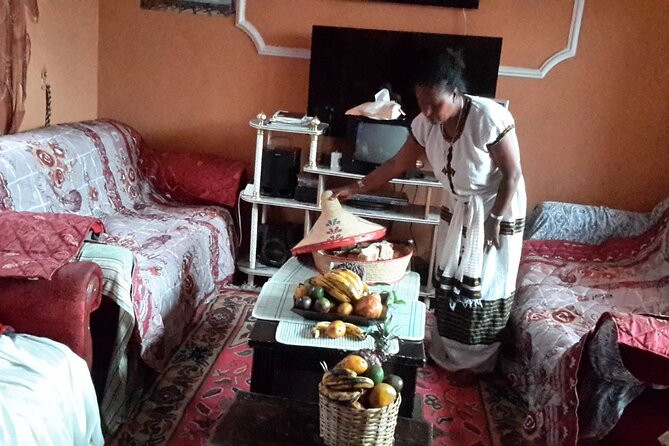
This class suits you if you enjoy learning through food and prefer a home setting to a standard attraction. It is also a good choice for couples, families, and small private groups who want an activity they can share.
Vegetarians can take part if they advise the provider in advance. The listed dishes already include vegetables and chickpea stew, but the menu may vary with the season and the group’s needs.
Most people can participate. The provided information does not give detailed accessibility specifications, so anyone with mobility concerns should ask about the home, market route, and transfer before booking.
You should also be comfortable with an informal setting. This is Hilena’s home and guest house, not a commercial cooking school. Other people may be present at the property, though your class remains private.
The experience may be less suitable if you need constant English instruction, a tightly timed schedule, or a short trip from central Addis Ababa. Hilena’s brother translates, which helps, but the interaction will still be different from a class led by a fluent English-speaking instructor.
Booking advice and cancellation terms
Tell the provider about allergies, dietary restrictions, and cooking preferences when you reserve. Request the vegetarian option at that point rather than waiting until the day of the class.
You can cancel for a full refund up to two full days before the local start time. A cancellation within two days is not refunded, and changes made during that period are not accepted. Because the class involves a private home, transfer, and food preparation, book only when your schedule is fairly firm.
The experience is supplied by Traveling Spoon. It is a private tour, and only your group participates in the activity itself.
Should you book it?
Book this class if you want a personal introduction to Ethiopian food rather than a simple restaurant meal. The strongest reasons are Hilena’s home cooking, the optional Sansusi market visit, the private format, and the generous meal that finishes with Ethiopian coffee.
Think twice if your schedule is tight, if you want a fully fluent English lesson, or if traveling to a home 20 kilometers from the airport feels inconvenient. Confirm the pickup plan, market option, menu, and dietary needs before paying.
For food-focused visitors with time to spare, I would choose the market version. It gives the three-hour outing a clear story: shop locally, cook family dishes, eat together, and finish with coffee. That is a fair amount of cultural contact for one private activity, provided you value the home setting as much as the food.
FAQ
Where does the cooking class take place?
The class takes place in Hilena’s home in Sansusi, on the outskirts of Addis Ababa. The home is about 20 kilometers from the airport.
Is pickup included?
Pickup is offered. The provided details do not state the exact pickup point or timing, so confirm those arrangements when booking.
How long does the experience last?
The experience lasts approximately three hours.
Is the market visit included?
The Sansusi neighborhood market visit is an option. If selected, you walk through the market, learn about local produce, and may buy vegetables and herbs for the class.
What food will be served?
The meal includes house-made Beyaynetu, Shiro, Genfo, and Anebabero. The menu may vary by season and according to dietary needs.
Can I request vegetarian food?
Yes. A vegetarian option is available, but you should advise the provider at the time of booking.
Will the class be taught in English?
Hilena is not very fluent in English, so her brother is present throughout the experience to help translate.
Can I cancel for a refund?
You can receive a full refund if you cancel at least two full days before the experience start time. Cancellations within two days are not refunded, and changes during that period are not accepted.
More Workshops in Addis Ababa
- Ethiopia coffee cupping class/Ethiopian food injera making
★ 5.0 · 10 reviews - Latin Dance Class
★ 5.0 · 4 reviews
More Private Drivers in Addis Ababa
- Authentic Addis Ababa Experience with Local Guide & Driver
★ 4.9 · 14 reviews - Bole Airport Transfer
★ 4.0 · 5 reviews - Car Rental with Private Driver
★ 5.0 · 5 reviews - City and Airport Transfer in Addis Ababa
★ 5.0 · 4 reviews
Just added around Addis Ababa
- Yod Abyssinia Cultural Night: Dinner, Music, and Dance★ 5.0 · 7 reviews
- Stunning Views Wonchi Crater Lake a Private Day Trip★ 5.0 · 3 reviews
- Locally crafted beer and wine tasting and nightlife in Addis tour★ 5.0 · 6 reviews
- Two days Lake Wenchi and Menagesha Forest★ 5.0 · 3 reviews
- 3-Day Cultural Tour in South Omo Valley★ 5.0 · 4 reviews
- Addis Ababa City Tours Full-Day Tours★ 5.0 · 5 reviews
- Day Trip to Tiya UNESCO Site & Melka Kunture Archaeological Site★ 4.5 · 3 reviews
- Tribes of the Ethiopian Omo Valley – 9 Day Tour★ 5.0 · 5 reviews
Ethiopian Cooking Classes, compared.
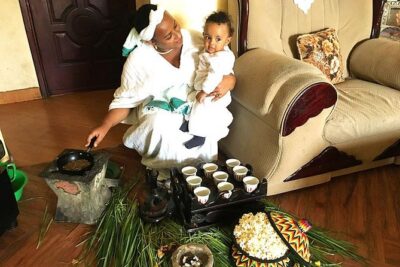
Market Tour and Cooking Class with a Coffee Ceremony at a Home in Addis Ababa
Read our review →
Addis Ababa City Tours With Cocking Class of Ethiopian Food
Read our review →
Ethiopian Cooking Class and Coffee Ceremony with a Local in Addis with transfers
Read our review →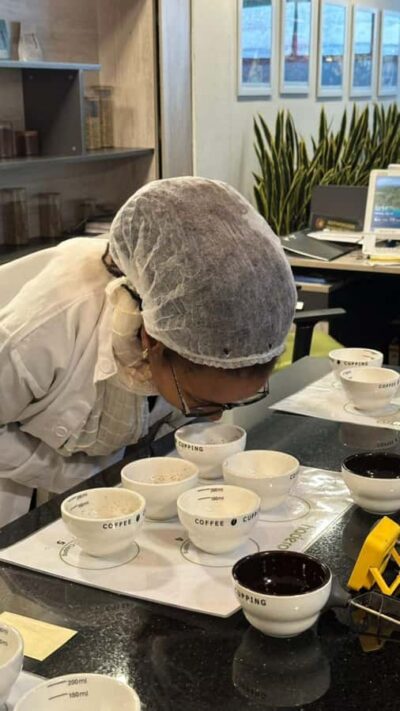
Ethiopia coffee cupping class/Ethiopian food injera making
Read our review →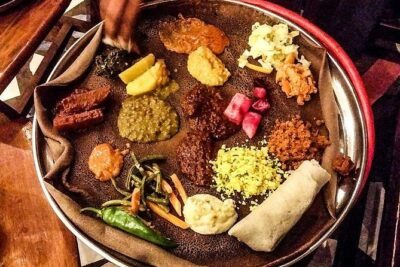
Unique Ethiopian Cooking Class and Coffee Ceremony with a Local in Addis Ababa
Read our review →
Browse the lists this tour appears in