
Reviewed · ETHIOPIAN COOKING CLASSES
Addis abeba Full Cooking class.
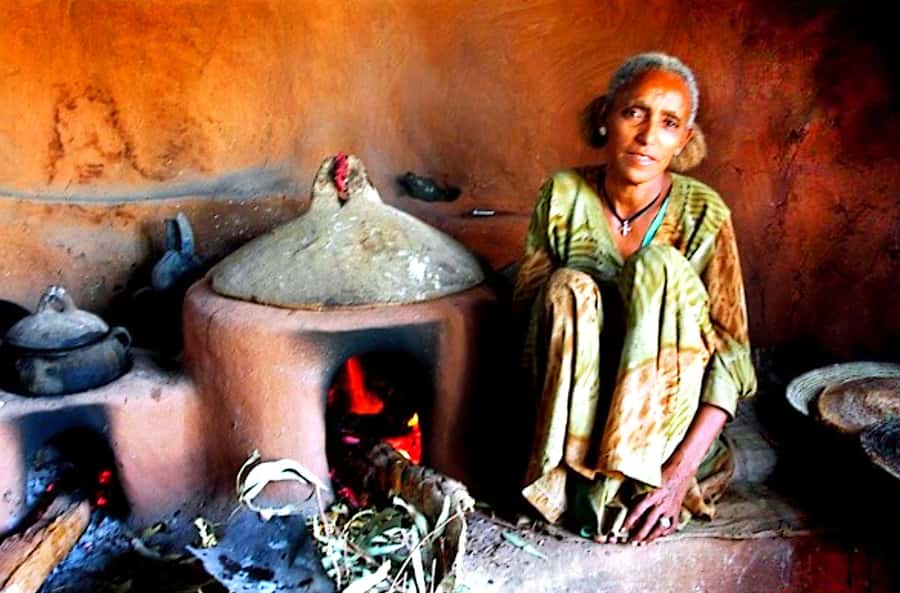
Ethiopian cooking begins with injera, the soft, sour, spongy flatbread used as both plate and utensil. This four-hour Addis Ababa outing takes you from Shola Market and the National Museum to a local home, where Abraham and Selam guide you through injera, shiro wot, and the country’s famous coffee ceremony.
I like the hands-on format, especially making food in a real home kitchen rather than watching a polished demonstration. I also like the practical route, which adds Lucy at the National Museum and a city drive to the cooking lesson. The main drawback is the price: $90 per person is fair only if you value the transfers, museum entry, lunch, and personal contact with local hosts.
Key points to know before booking
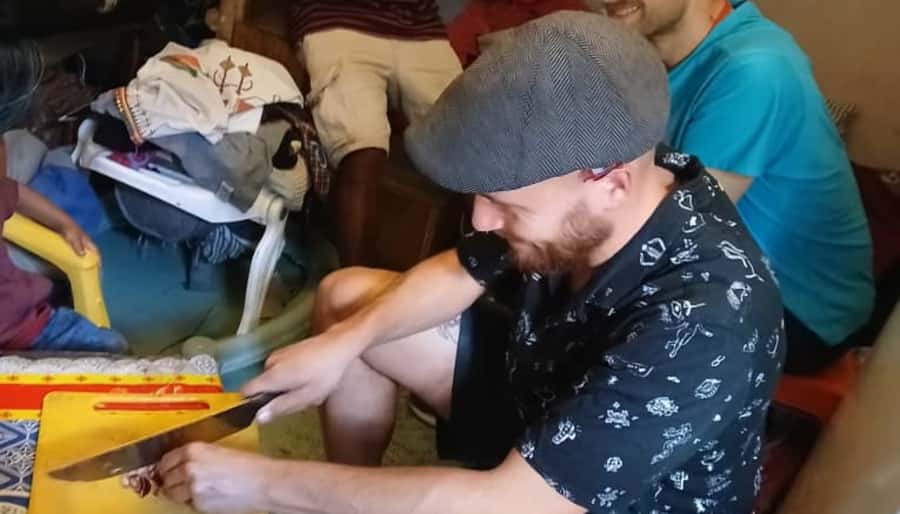
- A local home kitchen: You cook with Selam in a small neighborhood home and share the meal in her living room.
- Three Ethiopian staples: The lesson covers injera, shiro wot, and freshly roasted coffee.
- More than a cooking class: Shola Market and the National Museum, home of Lucy, are part of the outing.
- Useful for a short Addis stay: Airport pickup makes this workable during a long layover, with one person using it during an 11-hour stop.
- Small-group setting: The group is limited to seven people, with English and French guiding available.
- A full half-day package: The $90 price includes pickup, drop-off, lunch, cooking lessons, coffee, and entrance fees, but not breakfast, dinner, or a tip.
From Shola Market to a local Addis kitchen
The day starts with pickup from your hotel or Addis Ababa Bole International Airport. If you arrive at the airport, the team waits with a banner showing your name, which makes the meeting point easier to find after a flight.
The drive takes you first to Shola Market, one of the city’s well-known places to see everyday commerce. Thousands of people sell their own goods there, so this is not a staged market visit built only for sightseeing. You can expect a broad mix of local products and plenty of ordinary city activity.
The market stop gives the tour a useful beginning. Before you cook, you see ingredients and goods being sold in the city itself. The downside is that market visits can feel rushed if traffic slows the schedule, and the exact time spent there is not specified. Still, the stop helps you see Addis as a working city rather than simply a backdrop for a food lesson.
After Shola Market, your guide drives through Addis Ababa toward the cooking location. This city tour is part of the value of the outing, particularly if you have only a short stay and want more than one isolated activity.
More ethiopian cooking classes in Addis Ababa:
- Market Tour and Cooking Class with a Coffee Ceremony at a Home in Addis Ababa
★ 5.0 · 32 reviews - Addis Ababa City Tours With Cocking Class of Ethiopian Food
★ 5.0 · 20 reviews - Ethiopian Cooking Class and Coffee Ceremony with a Local in Addis with transfers
★ 5.0 · 14 reviews
Meeting Lucy at Ethiopia’s National Museum
The route includes the Ethiopia National Museum, where you see the famous hominid fossil Lucy. Her remains are one of the museum’s major draws, and the stop adds a clear cultural and scientific point to a day that might otherwise focus only on food.
The museum entrance fee is included in the $90 price. That matters because you do not need to arrange a separate ticket or decide later if you have enough time for the museum. You should think of this as a short introduction rather than a full museum visit, since the entire activity lasts four hours and also includes transport, the market, cooking, lunch, and coffee.
If Lucy is high on your Addis Ababa list, confirm the planned timing when you book. The description includes the museum but does not give a separate amount of time for it. The same advice applies to Shola Market. The tour combines several stops, so it is best for a broad first look at the city, not for a slow, detailed museum morning.
Cooking injera in a real home kitchen
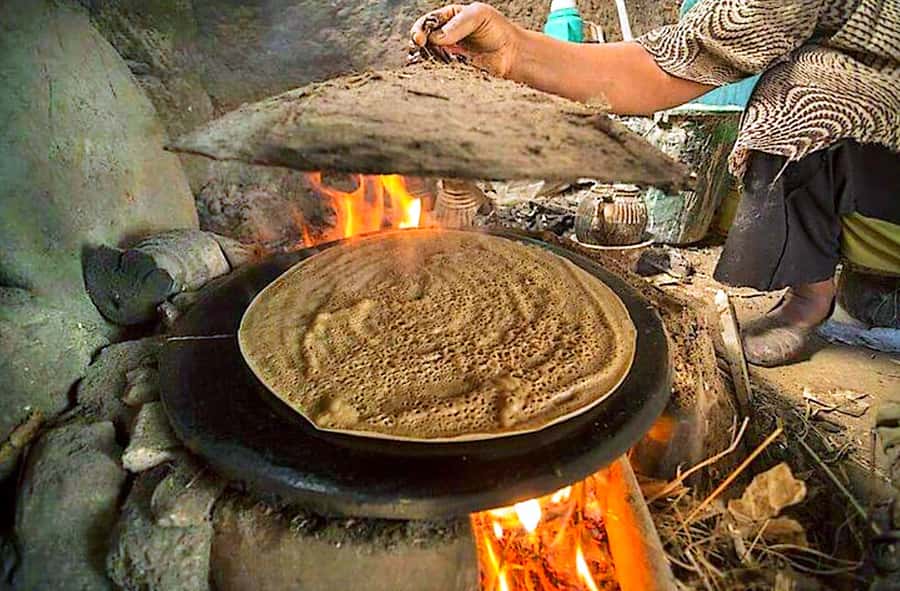
The central part of the day takes place in a local home kitchen with Selam. The setting is small and shared with neighbors, rather than a large teaching kitchen with individual workstations. That makes the lesson feel personal, but it also means you should expect a simple domestic environment.
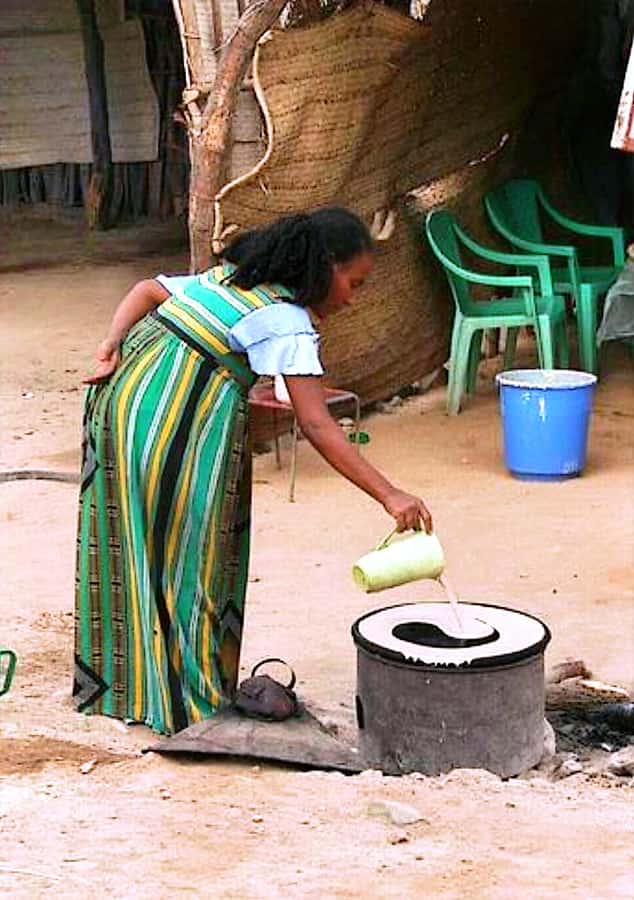
Your first major task is injera, Ethiopia’s staple food. Injera is a soft, foam-textured pancake with a slightly sour taste. It comes in white, brown, and red varieties, and the batter is fermented for three days before cooking.
That fermentation is important. It explains why injera has a tang that is different from an ordinary pancake or flatbread. The process also means you are not starting with flour and eating the result a few minutes later. Some of the preparation must happen well before the class, while your hands-on work focuses on baking and handling the bread.
You learn how to pour and cook the injera, then taste your own work at lunch. The class is especially useful if you already enjoy Ethiopian food but have never understood how the bread is made. You will also see why injera is central to the meal: it is not just a side dish, but part of how the food is served and eaten.
The home setting has a clear benefit. Selam can show you the food in the context of daily life, and you get to share the meal in her living room afterward. One participant described doing most of the cooking, which is useful to know if you want a true hands-on lesson rather than a demonstration.
There are limits. A small kitchen may not provide the comfort or space of a professional cooking school. You may also spend time watching while the host manages parts of the process. If you want a formal recipe packet, multiple dishes, or a highly structured culinary course, this may feel basic. If you want a direct look at how a local household prepares food, the simplicity is the point.
Making shiro wot, Ethiopia’s chickpea stew
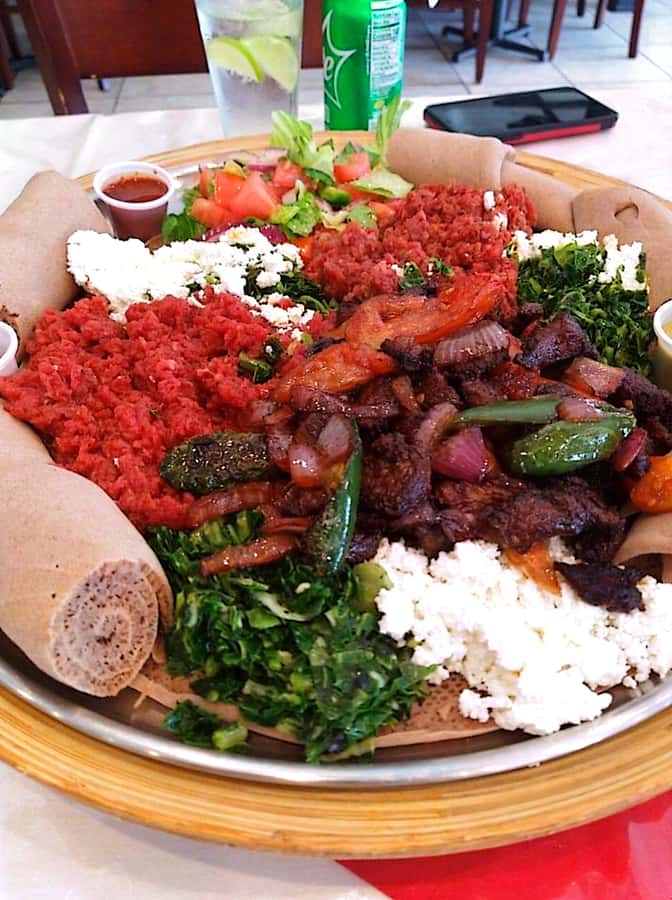
Alongside the injera, you prepare shiro wot, a popular Ethiopian stew made from puréed chickpeas. It is commonly served as a spicy dish, and it pairs naturally with injera.
This is a good choice for a short cooking class because it shows how one Ethiopian dish works with the bread you have just made. Instead of learning unrelated recipes, you prepare two foods that belong together on the table.
The class is called shiro wate in the included details and shiro wot in the description. You may see both spellings used for the same dish. The important point is that you are learning the chickpea stew, not a meat dish or a broad menu of several courses.
You then eat the food you helped prepare. That meal is included, and it gives the lesson a satisfying finish. You can judge the texture of the injera and the seasoning of the shiro wot immediately, rather than simply taking notes and leaving before tasting anything.
A few more Addis Ababa trips to weigh up
Coffee roasted and prepared the Ethiopian way
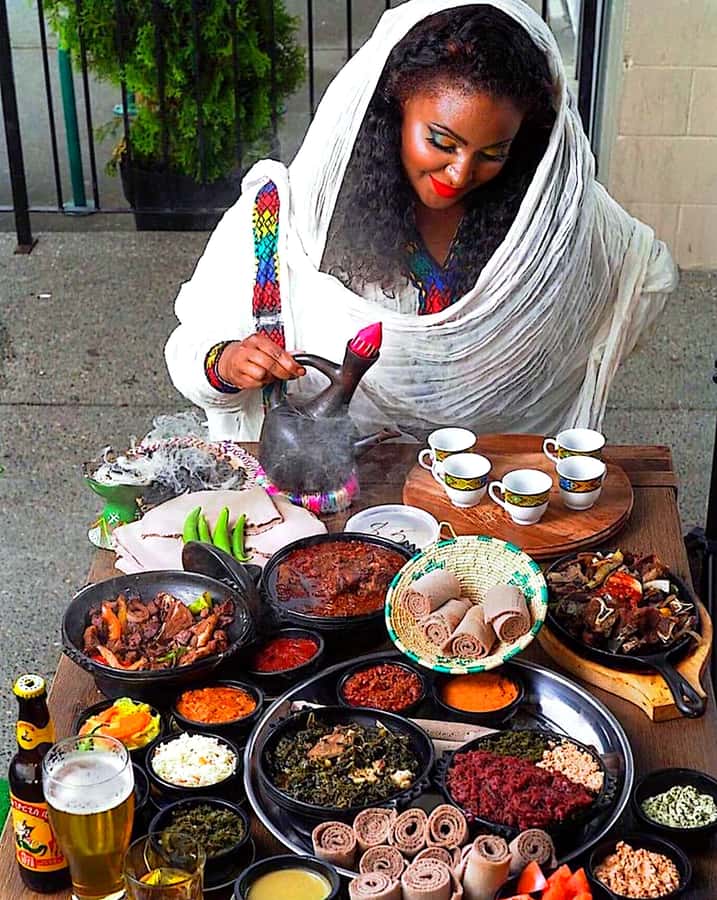
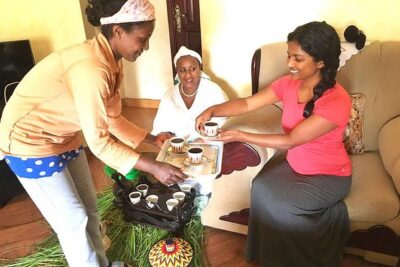
Coffee comes after the food lesson. With help from your host, you make coffee from freshly roasted beans and learn about the Ethiopian coffee ceremony.
This part is more than a final drink. Coffee has a major place in Ethiopian social life, and preparing it after cooking lets you see how food and hospitality fit together in the home. The activity includes a full coffee class, though the supplied details do not specify the number of servings or the exact equipment used.
Expect a participatory introduction rather than a professional barista course. You may roast or work with freshly roasted beans under the host’s direction, then take part in preparing and drinking the coffee. The value comes from doing this with local hosts and asking questions directly.
The coffee ceremony is also a pleasant change of pace after the practical work of baking injera and cooking shiro wot. It gives you time to talk with Abraham and Selam and learn about everyday life in Addis Ababa. One participant with an 11-hour layover found this personal contact especially worthwhile, since the short visit still allowed time with local residents.
The people who make the class work
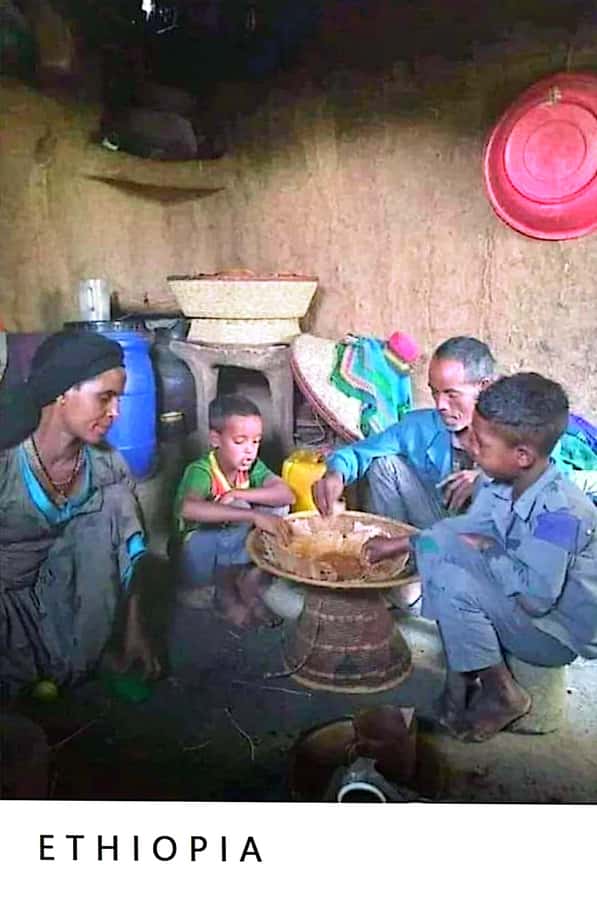
Abraham is the main guide named in the activity details, and Selam hosts and teaches in the home. Abraham speaks English, and English and French guiding are offered. His role is particularly useful when you move between the city stops and the home kitchen, or when you need help connecting with people who do not share your language.
The personal side of the outing is a major reason to choose it. You are not only learning measurements and cooking steps. You can ask Abraham and Selam about their daily lives, hear about their routines, and share something about your own life.
The home is described as small, and the cooking area is shared with neighbors. That detail matters. You should arrive ready for a close, ordinary setting, not a private luxury kitchen. Some people will find that setting warm and memorable. Others may prefer more space and a more formal setup.
The maximum group size is seven. That is small enough for a more direct lesson, though the experience may feel more personal with fewer people. If you are traveling alone, this setup can also make it easier to meet other participants without joining a large bus group.
Is $90 good value in Addis Ababa?

The price is $90 per person. On the surface, that is not the cheapest way to take a cooking lesson. One practical assessment put the cost on the high side, but still found the experience worthwhile for a short stay and for anyone seeking direct contact with local people.
I see the value in the package rather than in the cooking class alone. The price includes:
- Airport or hotel pickup
- Return drop-off
- Shola Market
- The National Museum entrance fee
- Injera and shiro wot instruction
- Ethiopian coffee instruction
- Lunch
That is a lot to fit into four hours. If you would otherwise pay for airport transport, museum entry, a meal, and a separate food class, the total can make more sense. The airport pickup is especially useful during a layover, when arranging several separate rides would cost time and add stress.
The price is less appealing if you are already staying near the cooking location, do not care about the museum, and only want to learn injera. In that case, a dedicated local cooking class at a lower price might suit you better, if available.
A tip is not included. Breakfast and dinner are also not included, though lunch is part of the day. The activity does not state that drinks other than the coffee are included, so you should not assume a full range of refreshments.
Timing, clothing, and practical details
The activity lasts four hours, but no fixed starting time is given. Check availability for the departure options and allow enough flexibility for airport pickup and Addis Ababa traffic.
Comfortable shoes are a sensible choice because the outing includes a market, museum, city travel, and time in a home. Warm clothing is also recommended. Bring a camera if you want to record the city, museum, market, food, and coffee preparation.
Alcohol and drugs are not allowed. The activity is listed as unsuitable for people over 95 years old. No other restrictions are stated, so if you have mobility, dietary, or medical concerns, ask the provider before booking rather than assuming the home kitchen can accommodate every need.
Free cancellation is available up to 24 hours before the activity for a full refund. You can also reserve now and pay later, which is useful when your Addis Ababa schedule may change.
Who should book this Addis Ababa cooking class?
I would choose this for a first visit to Addis Ababa, especially if you have only one day or a long airport layover. It gives you a quick look at the city, a major museum sight, a market, a local home, a meal, and a coffee ceremony without requiring you to plan each part yourself.
It also suits you if food is your main route into a culture. You do not simply eat injera in a restaurant. You learn why the bread tastes sour, see how it is cooked, prepare shiro wot, and sit down with the people who hosted you.
The class may be less suitable if you want a quiet, highly polished cooking school with lots of room and a long menu. Four hours is enough for an introduction, not for mastering Ethiopian cuisine. The itinerary is also busy, so the market and museum stops may be fairly brief.
Should you book it?
Book this experience if you value personal contact and practical cooking more than the lowest possible price. Abraham and Selam offer a useful way to meet local people, cook in a real home, and understand the food beyond a restaurant plate.
The strongest case is a short Addis Ababa stay or an 11-hour layover, when included transport and a compact schedule are worth paying for. If you have several days in the city and only want an inexpensive injera lesson, compare the cost with simpler cooking options. For everyone else, the mix of Shola Market, Lucy, injera, shiro wot, lunch, and coffee makes this a well-filled half-day.
FAQ
How long does the cooking class last?
The full activity lasts four hours, including transportation and the Addis Ababa sightseeing stops.
What food will I learn to cook?
You will learn to bake injera and cook shiro wot, a spicy puréed chickpea stew.
Is lunch included?
Yes. Lunch is included, and you taste the food you helped prepare.
Is the coffee ceremony included?
Yes. The activity includes a full Ethiopian coffee class using freshly roasted coffee beans with help from your host.
Who teaches the cooking class?
The experience is provided by Vowland Ethiopia Tour. Abraham guides the outing, and Selam hosts and teaches in the local home kitchen.
Where does pickup take place?
Pickup is available from Addis Ababa airport or your hotel. Airport pickup uses a banner with your name so the guide and driver can find you.
Is the National Museum included?
Yes. The route includes Ethiopia’s National Museum, where you can see the famous hominid fossil Lucy, and the entrance fee is included.
How many people can join the group?
The group is limited to seven participants.
What languages are available?
Guiding is available in English and French.
What does the $90 price include?
The price includes airport or hotel pickup, drop-off, lunch, the injera and shiro wot lessons, the Ethiopian coffee class, and entrance fees.
What is not included?
Breakfast, dinner, and a tip are not included.
Can I cancel the booking?
Yes. You can cancel up to 24 hours in advance for a full refund. Reserve now and pay later is also available.
More Workshops in Addis Ababa
- Ethiopia coffee cupping class/Ethiopian food injera making
★ 5.0 · 10 reviews - Latin Dance Class
★ 5.0 · 4 reviews
Just added around Addis Ababa
- Yod Abyssinia Cultural Night: Dinner, Music, and Dance★ 5.0 · 7 reviews
- Stunning Views Wonchi Crater Lake a Private Day Trip★ 5.0 · 3 reviews
- Locally crafted beer and wine tasting and nightlife in Addis tour★ 5.0 · 6 reviews
- Two days Lake Wenchi and Menagesha Forest★ 5.0 · 3 reviews
- 3-Day Cultural Tour in South Omo Valley★ 5.0 · 4 reviews
- Addis Ababa City Tours Full-Day Tours★ 5.0 · 5 reviews
- South Omo Valley Tribes 8 Days Tour Package★ 5.0 · 4 reviews
- Day Trip to Tiya UNESCO Site & Melka Kunture Archaeological Site★ 4.5 · 3 reviews
Ethiopian Cooking Classes, compared.
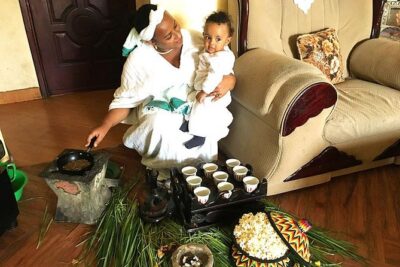
Market Tour and Cooking Class with a Coffee Ceremony at a Home in Addis Ababa
Read our review →
Addis Ababa City Tours With Cocking Class of Ethiopian Food
Read our review →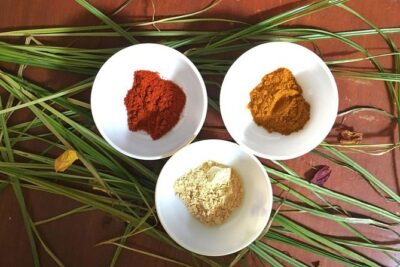
Ethiopian Cooking Class and Coffee Ceremony with a Local in Addis with transfers
Read our review →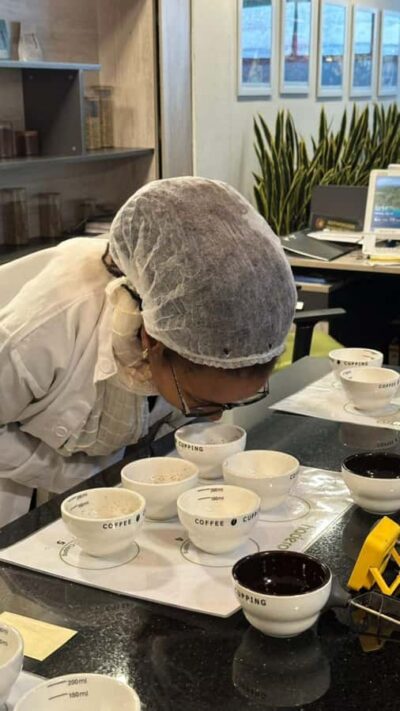
Ethiopia coffee cupping class/Ethiopian food injera making
Read our review →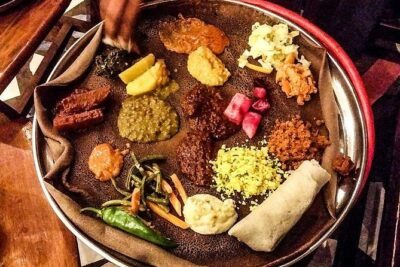
Unique Ethiopian Cooking Class and Coffee Ceremony with a Local in Addis Ababa
Read our review →
Private Ethiopian Home Cooking Class in Addis Ababa with Transfer
Read our review →Browse the lists this tour appears in