
Reviewed · DANAKIL DEPRESSION TOURS
2 Nights 3 Days Visiting Danakil Depression
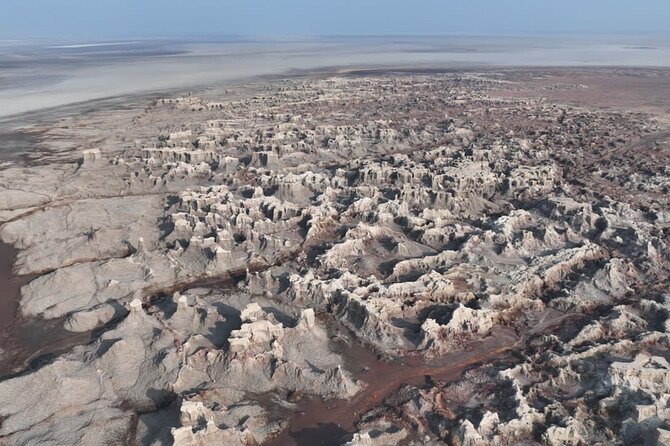
The Danakil Depression is one of the few places on earth where a morning can include a salt lake, a night beneath desert stars, and an active volcano. This low-lying Afar region sits more than 100 meters below sea level, where the African and Asian tectonic plates are slowly pulling apart.
I like two things here: the route covers the major sights in only three days, and the small group limit of 10 people keeps the trip more personal. The local coordination, especially from guides such as Gashaw, Gashu, and Tsehayu, is another strong point. The trade-off is real: roads are rough, the schedule starts early, and two nights of desert camping will not suit everyone.
Key points to know before booking
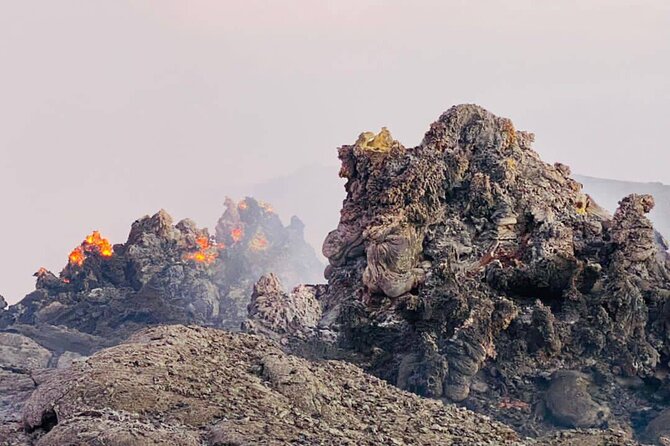
- Erta Ale begins around 3 a.m., giving you a chance to visit the active volcano before returning for breakfast.
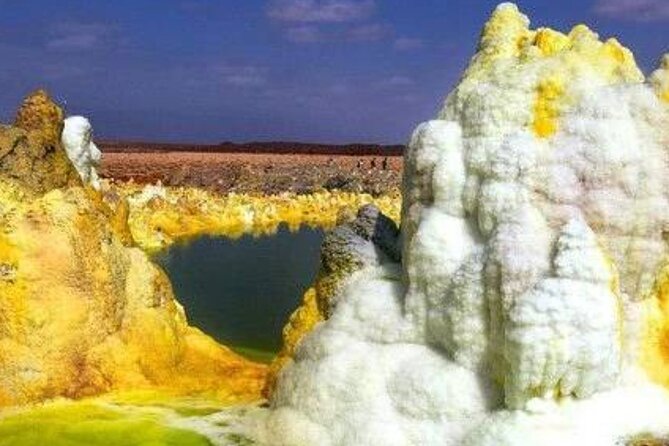
- Dallol provides the most unusual scenery, with colorful mineral formations and a crater in one of the lowest places on earth.
- Lake Afdera and the salt route add local context, connecting the geology to the work of salt miners and camel caravans.
- The $400 price includes the main costs, including transport, accommodation, meals, entrance fees, and taxes.
- The tour starts in Semera, not Addis Ababa, and ends with a planned flight from Semera to Addis Ababa at 5 p.m. on Day 3.
- This is a physically demanding trip, with long drives, desert conditions, early starts, and basic camping.
Why the Danakil Depression feels unlike anywhere else
The Danakil is not simply a dry desert. It is a meeting point of fire, salt, water, and shifting rock. The depression formed as tectonic plates moved apart at roughly 1 to 2 centimeters per year. That movement created a sunken basin shared by Ethiopia, Djibouti, and Eritrea, with the northern section known as the Danakil Depression.
You will see the results in several forms. Salt lakes sit beside volcanic ground. Mineral deposits create yellow, green, orange, and white patterns. Steam and heat rise from the earth. Camel caravans cross the open desert as they carry salt from traditional mining areas.
The region also has an important place in the story of human origins. The remains of Lucy, an early human ancestor dating back about 3.2 million years, were found in the wider Danakil Depression in 1974. Lucy is now displayed at the National Museum in Addis Ababa, so this trip can pair well with a visit to that museum before or after your desert journey.
More danakil depression tours in Ethiopia:
- 3 Days Danakil Depression Tour
★ 4.5 · 135 reviews - 3 Days Danakil Depression Tours Via Semera
★ 5.0 · 47 reviews - 12 Days SIMIEN MOUNTAIN-LALIBELA-DANAKIL-TIGRAY CHURCHES
★ 5.0 · 45 reviews
Starting in Semera and driving toward Afdera
Your meeting point is Semera, the capital of Ethiopia’s Afar region. From there, the first day involves a long drive toward Kurswad, passing through Afdera and stopping at Lake Afdera.
The driving is a major part of the experience. The itinerary allows about eight hours, so you should think of Day 1 as a full travel day rather than a string of quick sightseeing stops. The air-conditioned vehicle matters here, since the heat and exposed desert can make long hours outside tiring.
Lake Afdera gives you an early look at the region’s salt-based economy and unusual geology. It is not presented as a resort-style lake stop. Instead, it helps you understand the relationship between water, salt, and the desert communities living in this harsh basin.
The road itself may be difficult. One account describes the route as demanding, and that is useful information when deciding if this is right for you. You may stop several times along the way, but the schedule is built to keep moving toward the main sights.
That evening, you camp at Kurswad. Accommodation is included, but this is a desert camp rather than a standard hotel stay. The simple setting is part of the appeal, especially if you enjoy seeing the night sky far from city lights. It is also the point where the comfort level drops sharply compared with an ordinary Ethiopia sightseeing trip.
The 3 a.m. visit to Erta Ale Volcano
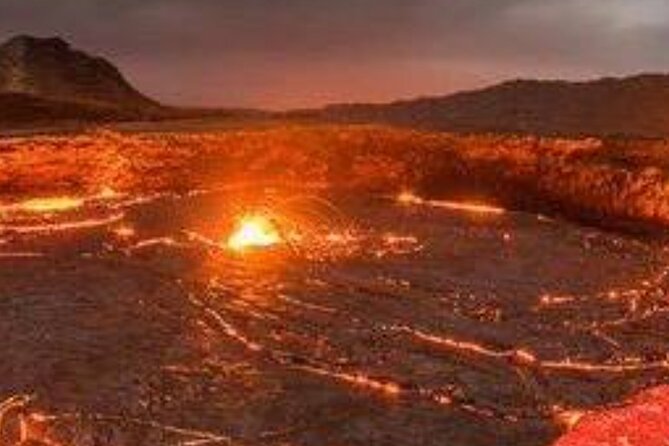
The early start is the most demanding part of the schedule. Around 3 a.m., you set out to visit the active volcano at Erta Ale, then return to camp for breakfast.
The timing serves a practical purpose. The cooler hours make the visit more manageable than a midday walk through the desert, and darkness can make volcanic activity easier to observe. The supplied itinerary does not promise a particular level of lava activity, so you should treat the volcano as a natural event, not a guaranteed display.
Erta Ale is one of the central reasons to choose this trip. You are not just looking at old volcanic rock. You are visiting an active volcanic area in a region shaped by ongoing geological change.
The schedule also explains why you need moderate physical fitness. The early departure, desert terrain, and long day can leave you tired before breakfast. If you sleep lightly, struggle with very early starts, or prefer a relaxed holiday pace, this section may feel strenuous.
After breakfast, the group drives toward Dallol. The itinerary allows about five hours for the second day’s driving and sightseeing. You spend the night at Hamedila, another basic desert stop.
Salt miners and camel caravans near Dallol
On the way to Dallol, you visit the salt mining market and see camel caravans. This is one of the most valuable parts of the route because it connects the spectacular geology with daily work in the Afar region.
The salt is not merely a colorful backdrop for photographs. It is a resource gathered, moved, and sold through a traditional trade system. Camel caravans make the desert feel lived in rather than empty. You may also meet local people and see how movement through this remote area depends on animals, vehicles, and careful coordination.
I would give this stop proper time, even if your main goal is Dallol. The volcano and mineral fields are visually dramatic, but the salt route offers a better sense of place. It shows why people come here, work here, and continue to cross ground that looks almost impossible to inhabit.
The tour includes full-board meals, which is important during a route with few services. The details of each meal are not specified, so do not book this expecting a wide restaurant menu. The practical value is that food is arranged as part of the desert operation, rather than left for you to solve independently.
You spend the second night at Hamedila. Like Kurswad, this is included accommodation in a remote setting. Expect the experience to be basic and functional. The reward is access to the region’s main sights without returning to a city each evening.
A few more Ethiopia trips to weigh up
- 3 Day Danakil Depression Ertale and Dallol Tours
★ 5.0 · 44 reviews - 3 Days Dankile Depression group Tours
★ 5.0 · 40 reviews - 2-Night 3-Day Danakil Depression Tour without Flights
★ 4.8 · 31 reviews - Trekking at Bale Mountains 3 Days
★ 5.0 · 28 reviews
Dallol’s colorful mineral fields on the final morning
On Day 3, you visit the colorful Dallol crater after breakfast. This is likely the visual high point of the trip.
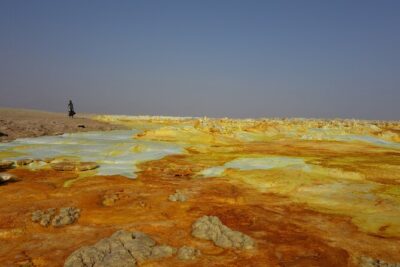
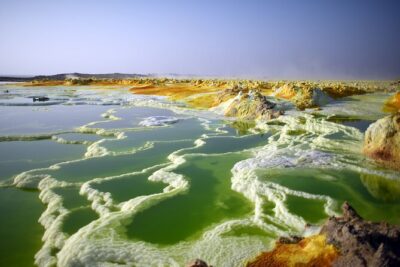
Dallol is known for its strange mineral formations and strong color contrasts. Yellow, green, orange, and pale salt tones can appear across the ground, giving the area an almost otherworldly appearance. The colors come from mineral deposits and geothermal activity, not from painted rock or staged displays.
The word crater can make this sound like a single viewpoint, but the appeal is the surrounding ground patterns and unusual textures. You will want time to look closely, not just take one photograph and leave. The provided schedule allows about eight hours for the final day, including the drive back to Semera and the flight connection.
This stop also rewards a good guide. Guides including Gashaw, Gashu, and Tsehayu are praised for coordination, leadership, and care with the group. That matters in a remote place where timing, transport, and route planning affect the whole day.
After Dallol, you drive back to Semera and aim to catch the last flight to Addis Ababa at 5 p.m. This is a useful feature for anyone building the Danakil into a short Ethiopia itinerary. It also creates a clear risk: a long desert return and a fixed flight time leave little room for delays.
I would avoid placing an important international departure immediately after this tour. The supplied schedule ends with the Semera to Addis Ababa flight, but air schedules and road conditions can change. Give yourself extra time before a major onward connection.
What $400 includes, and what it does not
At $400 per person, the tour offers good value if you want the main Danakil route handled as one package. The price includes an air-conditioned vehicle, taxes and fees, accommodation, and full-board meals. Entrance fees are also included in the stated package.
That combination is important because the Danakil is not an easy place to arrange independently. You need transport across a remote area, camp arrangements, food, route coordination, and access to sites such as Erta Ale and Dallol. Paying one price reduces the number of separate arrangements you need to make.
The group size is capped at 10 people. That is small enough to keep communication simple and makes it easier to hear the guide, get help with timing, and avoid feeling lost in a large convoy. It also explains why the tour can feel more personal without becoming a private trip.
The price does not cover expenses that are not specifically listed. You should budget separately for anything outside transport, meals, accommodation, taxes, and included fees. Since the tour starts in Semera, you also need to arrange your own travel to that meeting point unless pickup is specifically confirmed for your booking.
The tour is often booked about 22 days ahead. That does not mean you must book exactly three weeks early, but it is a useful planning signal. If your Ethiopia schedule depends on a particular date, early booking makes sense.
Camping, comfort, and physical demands
This is an adventure in a difficult environment, not a soft-edged desert escape. You camp for two nights, leave around 3 a.m. for Erta Ale, spend long periods in a vehicle, and deal with rough roads and extreme desert conditions.
The tour states that you should have a moderate level of physical fitness. That is a fair requirement. You do not need to be an expedition athlete based on the information provided, but you should be comfortable with early mornings, basic accommodation, long drives, and walking around volcanic and mineral areas.
The strongest practical advice is to pack for function. Bring light clothing suitable for heat, sturdy footwear, sun protection, and a way to carry personal water. The exact packing list is not provided, so confirm current requirements with Ethio Backpacker Tours before departure.
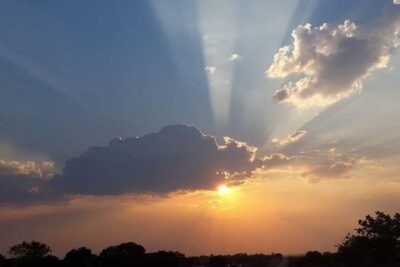
Do not judge the camping by hotel standards. Its value is location. You sleep close to the desert route and avoid losing hours returning to a town. The night sky is one of the quieter pleasures of the trip, and the remote setting gives you a much clearer sense of the Danakil’s scale.
The role of the guides and small group
Good organization matters more here than polished commentary. In a remote region with long drives and fixed departure times, the guide and driver need to keep the group moving while still allowing time for photographs and stops.
Gashaw, also referred to as Gashu in one account, receives particular praise for arranging the trip and coordinating the team. Tsehayu is also identified as a guide who helped make the route feel well organized and authentic. You should confirm who will lead your specific departure, since guide assignments may vary.
The strongest pattern in the feedback is not one single attraction. It is the combination of friendly service, close coordination, and a small group. One person also noted that the vehicle stops several times, but the stops are organized and do not become long delays. That is exactly the balance you want on a route with so much driving.
The group limit of 10 does not guarantee a private experience. Still, it is more manageable than a large coach group, especially at camp and during early starts.
Who should book this Danakil trip?
I would recommend this tour to you if you want Ethiopia’s strangest natural sights and are willing to trade comfort for access. It suits photographers, geology enthusiasts, adventurous first-time visitors to the Afar region, and anyone with limited time who wants Erta Ale and Dallol in one route.
It is also a strong choice if you like trips that include local life rather than scenery alone. The salt market and camel caravans give the itinerary more meaning than a simple drive from one viewpoint to another.
I would hesitate to recommend it if you need hotel comfort, dislike rough roads, or want a slow schedule. The 3 a.m. volcano visit is not optional in the published plan, and the final return to Semera is tied to a 5 p.m. flight.
Cancellation is flexible if you act early: you can receive a full refund by canceling at least 24 hours before the start time. Changes or cancellations made inside that 24-hour window are not accepted for a refund.
Should you book it?
Book this 2-night, 3-day Danakil tour if your priority is seeing the essential sites with transport, meals, camping, and local coordination already arranged. The $400 price is reasonable for the amount of logistics covered, and the small group limit improves the experience.
Before paying, confirm the Semera meeting details, your flight connection after the tour, the current guide, and the camping arrangements. If you accept the heat, rough road, early start, and basic nights, this is a focused way to see one of Ethiopia’s most remarkable regions.
FAQ
Where does the Danakil Depression tour start?
The tour starts in Semera, Ethiopia. Pickup is offered, but you should confirm the exact pickup details when booking.
How long is the tour?
The experience lasts approximately three days and includes two nights of accommodation or camping.
What places are visited?
The route includes Lake Afdera, Erta Ale Volcano, the salt mining market, camel caravans, Dallol crater, and the surrounding Danakil desert area.
What time does the Erta Ale visit begin?
The Erta Ale visit begins around 3 a.m. on the morning after the first night at Kurswad.
Is camping included?
Yes. Accommodation is included, and the itinerary specifies camping at Kurswad and an overnight stay at Hamedila.
What is included in the $400 price?
The price includes an air-conditioned vehicle, all listed fees and taxes, accommodation, and full-board meals.
How many people can join the tour?
The tour has a maximum group size of 10 people.
Just added around Ethiopia
- Yod Abyssinia Cultural Night: Dinner, Music, and Dance★ 5.0 · 7 reviews
- 2 days Tigray Church★ 5.0 · 3 reviews
- 3 days tour Danakil Depression (Dallol & Erta Ale)★ 4.0 · 5 reviews
- Trekking in Ethiopia’s Lalibela Wollo Highland 4 Days / 3 Nights★ 5.0 · 6 reviews
- 2 Days Dallol Trip★ 5.0 · 4 reviews
- The Rock-Hewn Churches of Lalibela: 3 Days / 2 Nights★ 5.0 · 6 reviews
- Lalibela Backpacker tours★ 5.0 · 6 reviews
- Lalibela churches Guided Tour★ 5.0 · 6 reviews
Danakil Depression Tours, compared.
12 Days SIMIEN MOUNTAIN-LALIBELA-DANAKIL-TIGRAY CHURCHES
Read our review →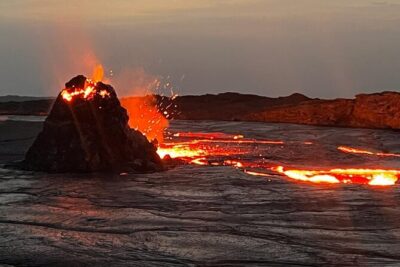
3 Day Danakil Depression Ertale and Dallol Tours
Read our review →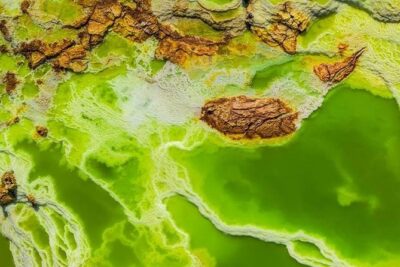
5 DAYS Lalibela, Axum, Tigray churches and Danakil
Read our review →
6 Days tour Package (Simien Mountains, Lalibela, and Danakil Depression)
Read our review →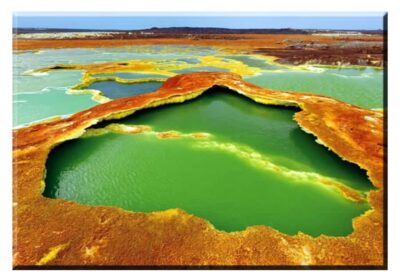
2-Night 3-Day Danakil Depression Tour without Flights
Read our review →
Lalibela, Axum, Danakil and Omo Valley 8 DAYS
Read our review →Browse the lists this tour appears in