
Reviewed · DANAKIL DEPRESSION TOURS
3 Day Guided Tour Throughout Danakil Depression in a Small Group
The main event here is Erta Ale, where you trek from Dodom to a volcano rim and spend the night watching lava glow and boil below. The tour then shifts to Dallol, Lake Assale, salt-cutting sites, and camel caravans. It is a rare chance to see working desert traditions beside extreme volcanic geology.
I like the small maximum group of six, which should make the long drives and camp routine easier to manage. I also like that the price includes the vehicle, guides, camping gear, camels, water, and six meals, rather than leaving you to assemble the hard parts yourself. The drawback is the setting itself: this is a hot, rough trip with long hours on the road, open-air sleeping, and a demanding trek.
Key points to know before booking
- Erta Ale is the heart of the trip: Trek about 9.5 kilometers from Dodom to the volcano and spend the night near the rim.
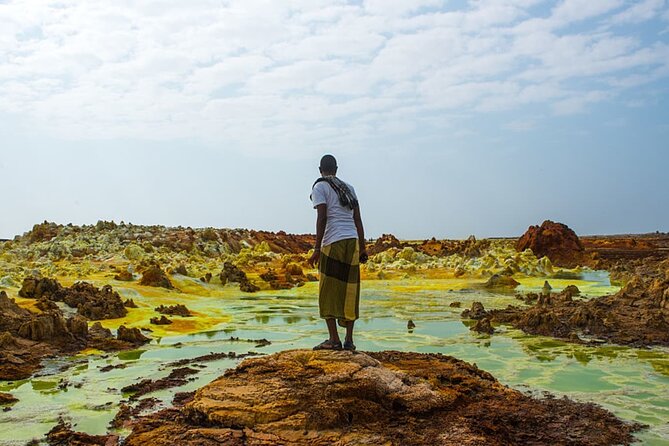
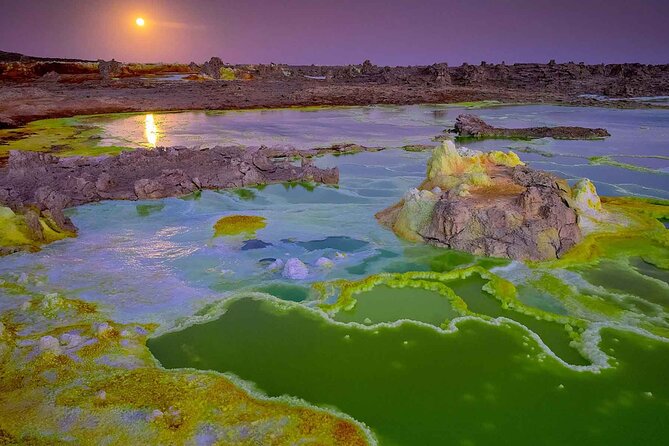
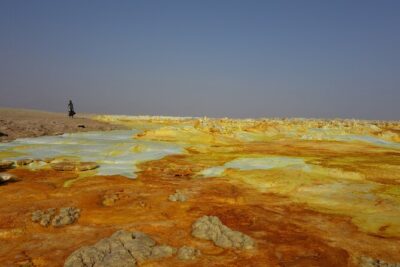
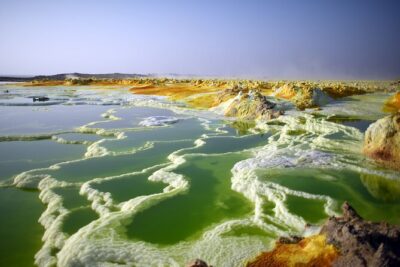
- Dallol brings the color: Sulfur and potash create striking yellow, green, and orange-toned formations around the volcanic area.
- Salt is still cut by hand: At Ragad, you can watch local workers break salt into rectangular blocks and load it onto camels.
- The group is capped at six: A small party matters when you are spending long stretches in a vehicle and camping in a demanding setting.
- The schedule starts early: The journey includes a stated midnight meeting time, a 4:30 a.m. departure, and sunrise stops.
- Kiros and his team handle the moving parts: The named team includes Kiros, Abiti, Yousef, Solomon, and Anwar, with local Afar guiding included.
Why this Danakil trip is unlike a normal sightseeing tour
The Danakil Depression is not a place you visit for comfort. It is a severe desert region marked by salt flats, hot springs, acid springs, volcanic ground, and active geological activity. The reward is a setting that feels far removed from ordinary Ethiopian sightseeing.
I like the way this three-day route combines two very different kinds of interest. Erta Ale gives you the drama of an active volcano, while Dallol and Lake Assale show slower, stranger processes: mineral colors, salt deposits, shallow water, and the daily work of camel caravans.
This is also a working region, not just a natural attraction arranged for photographs. At Ragad, local people cut salt from the ground, shape it into blocks, and load it onto camels. That detail gives the trip more meaning than a quick stop at a scenic viewpoint. You are seeing how people make a living in a place that appears almost impossible to inhabit.
The tour uses a maximum of six people. That is a real advantage here. A small group can make it easier to keep track of equipment, share meals, and maintain a steady pace on the walk to Erta Ale. It also gives you a better chance to ask questions of the guides without competing with a large busload.
Still, you should not mistake small-group travel for luxury travel. The itinerary includes camping equipment, light mattresses, mats, water, and camel transport, but the sleeping arrangement is outdoors. The tour description also notes walking on lava through the experience details. You need moderate physical fitness and a willingness to accept basic conditions.
More danakil depression tours in Ethiopia:
- 3 Days Danakil Depression Tour
★ 4.5 · 135 reviews - 3 Days Danakil Depression Tours Via Semera
★ 5.0 · 47 reviews - 12 Days SIMIEN MOUNTAIN-LALIBELA-DANAKIL-TIGRAY CHURCHES
★ 5.0 · 45 reviews
Day one: Semera, Lake Afdera, and the walk to Erta Ale
The trip begins at Semera Airport, also called Sultan Alimirah Hanfare Airport. The stated start time is 12:00 a.m., so confirm the exact pickup arrangement before you arrive. From Semera, the vehicle heads toward the Danakil Depression and Lake Afdera.
Lake Afdera is a salt lake in the center of the region. The program allows time for natural hot springs and swimming around the lake, though you should follow the local guide’s instructions about where and when to enter the water. This is a useful first stop because it breaks up the long drive and introduces you to the salt-rich setting before the volcano trek.
The drive to the area is listed at roughly five hours. That is a substantial stretch in a vehicle, especially when combined with the heat and the later walk. Bring water within easy reach, protect your head from the sun, and keep a little patience in reserve. The included bottled water helps, but you should still treat hydration as your responsibility.
After lunch, the route continues to Dodom, the base area for Erta Ale. The stated departure is about 1:30 p.m., although exact timing can shift in a remote region. From Dodom, the volcano is about 9.5 kilometers away, with the walk described as taking around one hour. The exact pace will depend on conditions and the group.
Camels carry camping materials, food, water, and sleeping supplies toward the volcano rim. That is one of the most practical features of the tour. You still walk under demanding conditions, but you do not need to carry all the camp equipment yourself.
Dinner is scheduled for around 5 p.m., followed by time near the rim to watch the volcanic activity. The attraction here is not a polished viewing platform. You are in a raw volcanic setting, looking at boiling lava in the darkness. That makes the experience powerful, but it also means you should expect uneven ground and a very basic overnight stop.
Erta Ale after dark: the trip’s biggest payoff
Erta Ale is the reason many people choose this route. Seeing active lava from close range is very different from looking at an extinct volcano or a cooled lava field. The tour is built around reaching the rim and spending the night there, giving you more than a quick daytime photograph.
I especially like the overnight timing. Darkness should make the glow of the lava easier to see, and the schedule leaves room to watch the activity rather than rush back to the vehicle. The experience details also refer to walking on lava, which adds another physical and visual element to the stop.
You should keep your expectations sensible. Volcanic activity can vary, and the supplied information does not promise a particular size or intensity of eruption. The attraction is the chance to observe an active volcano at close range, not a guaranteed theatrical display.
The sleeping setup is basic. Camping equipment, light mattresses, mats, food, and water are supplied, with camels helping move the load. You will be sleeping in the open air, so this portion suits people who can rest without the privacy and comfort of a conventional room.
The tour’s strongest personal touch appears to be its guiding team. Kiros is identified with Lucy Ethiopia Tours, and Abiti, Yousef, Solomon, and Anwar are also named among the guides and staff involved in the wider journey. The strongest praise attached to the experience centers on clear communication, organization, helpfulness, and reliability. Those qualities matter more here than fancy extras. In a remote desert, a guide who keeps the plan clear and looks after the group is a major part of the value.
Day two: Hamad Ela, Lake Assale, and Dallol’s mineral colors
Day two begins early, with a planned departure for Hamad Ela at 4:30 a.m. That is an important detail. This is not a leisurely breakfast tour, and you should be ready to move before sunrise.
Hamad Ela is described as a village of about 500 people. The route includes camel caravans and a view toward the shallow salt waters of Lake Assale. The changing light can make this a memorable section of the trip, but the main value is seeing how the village and caravan routes fit into the salt economy of the region.
The morning continues to Ragad, also called Asebo, where salt is mined. A large portion of the Afar Depression is covered by salt, and the visit focuses on the actual work: breaking salt from the ground, cutting it into rectangular pieces, and loading the blocks onto camels.
This stop gives the day a human scale. Dallol may look like another planet, but salt cutting shows that the area is also a workplace. You are not simply looking at unusual colors. You are watching a traditional process tied to transport, trade, and local life.
The route then continues to Dallol. Volcanic activity has formed an assortment of mineral surfaces and colored areas, with sulfur and potash creating the distinctive combinations that draw people here. The tour also includes Lake Assale, a salt canyon, and further views of camel caravans.
Dallol is the most visually unusual stop, but it is also the place where you should pay closest attention to the guide. The area includes sulfur and acid-related features, and the information provided describes it as a harsh environment. Stay with the group, follow instructions, and do not treat the colorful ground as something to touch casually.
The day is listed at six hours, but the full experience includes driving, walking, stops, and time around the salt sites. Remote roads rarely follow a neat city timetable. Think of the six hours as a broad program length, not a guarantee that every moment will fit the clock.
A few more Ethiopia trips to weigh up
- 3 Day Danakil Depression Ertale and Dallol Tours
★ 5.0 · 44 reviews - 3 Days Dankile Depression group Tours
★ 5.0 · 40 reviews - 2-Night 3-Day Danakil Depression Tour without Flights
★ 4.8 · 31 reviews - Trekking at Bale Mountains 3 Days
★ 5.0 · 28 reviews
Day three: sunrise, Lake Afdera, and the return to Semera
The final day offers another chance to see sunrise at Lake Assale before the return journey. Sunrise is a fitting close to the trip because the lake, salt, and surrounding volcanic ground can look very different in early light than they do during the hotter middle of the day.
After breakfast, the vehicle returns toward Lake Afdera. The route then continues to Semera, where you are dropped at the airport for departure. The day is listed at about four hours, but keep your flight planning conservative. The tour ends back at the meeting point, and delays are always possible on a route involving long remote drives.
Three breakfasts, two lunches, and two dinners are included. Cooking and camping equipment are also supplied, along with bottled water. Alcohol is not included, and flights are not part of the package. Camera and video charges are listed separately, so check the current details if photography is central to your plans.
What the $525.87 price really covers
At $525.87 per person, this is not a cheap weekend outing, but the price needs to be judged against what the operator is supplying in a difficult region. You receive an air-conditioned vehicle, all listed fees and taxes, local Afar guiding, camping and cooking gear, camel support, water, and meals.
The vehicle is particularly important. The route involves Semera, Lake Afdera, Dodom, Hamad Ela, Ragad, Dallol, Lake Assale, and the return to Semera. Having transport arranged removes the hardest part of planning this journey independently.
The camel support also adds real value. It is not simply an entertaining extra. Camels carry camp supplies and food toward Erta Ale, reducing what you must haul on foot. Meals and water matter for the same reason: you have fewer basic logistics to solve while moving through a remote area.
The price is most attractive if you are already planning to visit northern Ethiopia and want a single organized package for the Danakil region. It is less appealing if you want a comfortable hotel-based trip, a slow schedule, or a guaranteed volcanic spectacle.
A maximum of six people strengthens the value. You are paying for a managed small-group experience rather than joining a large coach. The strongest praise connected with the operator focuses on thoughtful planning, friendly service, clear messages through email and WhatsApp, and help with wider Ethiopia arrangements. Kiros has also helped some clients organize visits to Lalibela and Harar, though those places are not part of this three-day package.
Who will enjoy this, and who should skip it
You are a good match for this tour if you want unusual geology, active volcanoes, desert travel, and direct contact with local working traditions. You should also be comfortable with long road journeys, early starts, a moderate fitness requirement, and sleeping outdoors.
This trip suits an adventurous first-time visitor to the Danakil region who does not want to arrange a vehicle, local guides, camels, food, and camping equipment separately. The small group and named team are useful if you value communication and personal attention.
I would think twice if you need predictable comfort or have difficulty with heat, rough walking, or disrupted sleep. The itinerary is packed, and day one combines a long drive with a volcano walk. Day two begins at 4:30 a.m. The tour does not offer a soft introduction to desert travel.
The experience also requires suitable weather and a minimum number of participants. If the operator cancels for either reason, you are offered another date, another experience, or a full refund. You can cancel for a full refund if you do so at least 24 hours before the local start time.
Should you book this three-day Danakil tour?
I would book it if Erta Ale and Dallol are high on your Ethiopia wish list and you want the difficult logistics handled by a small, locally guided team. The combination of lava at night, sulfur-colored ground, salt cutting, camel caravans, and Lake Assale gives you a far more varied experience than a single scenic stop.
I would not book it for comfort, flexible mornings, or a relaxed pace. Before paying, confirm the airport pickup time, the exact flight schedule that will work with the Semera return, the current volcano conditions, and what camera charges mean in practice.
For the right person, $525.87 is a fair price for three demanding days in one of Africa’s most extreme regions. Go prepared for heat, dust, basic camping, and long drives, and you will be in a much better position to appreciate what makes the Danakil special.
FAQ
Where does the tour start and finish?
The tour starts at Semera Airport, also called Sultan Alimirah Hanfare Airport, in Semera, Ethiopia. It ends back at the meeting point with a drop-off at the airport.
How many people can join the tour?
The activity has a maximum of six participants.
What level of fitness is required?
A moderate level of physical fitness is required. The program includes a trek from Dodom toward Erta Ale and time walking around volcanic and salt areas.
What meals and drinks are included?
The package includes three breakfasts, two lunches, two dinners, and bottled water. Alcoholic drinks are not included.
Is the camping equipment provided?
Yes. Cooking and camping equipment are included, along with light mattresses, mats, food, water, and camel transport for the camping materials.
Are flights included in the price?
No. Flights are not included. The package begins and ends at Semera Airport, so you must arrange your own air travel.
Just added around Ethiopia
- Yod Abyssinia Cultural Night: Dinner, Music, and Dance★ 5.0 · 7 reviews
- 2 days Tigray Church★ 5.0 · 3 reviews
- 3 days tour Danakil Depression (Dallol & Erta Ale)★ 4.0 · 5 reviews
- Trekking in Ethiopia’s Lalibela Wollo Highland 4 Days / 3 Nights★ 5.0 · 6 reviews
- 2 Days Dallol Trip★ 5.0 · 4 reviews
- The Rock-Hewn Churches of Lalibela: 3 Days / 2 Nights★ 5.0 · 6 reviews
- Lalibela Backpacker tours★ 5.0 · 6 reviews
- Lalibela churches Guided Tour★ 5.0 · 6 reviews
Danakil Depression Tours, compared.
12 Days SIMIEN MOUNTAIN-LALIBELA-DANAKIL-TIGRAY CHURCHES
Read our review →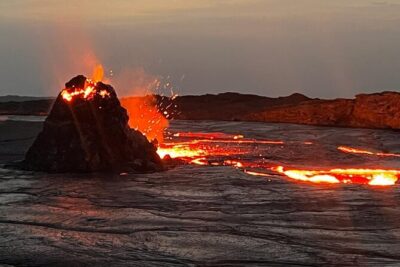
3 Day Danakil Depression Ertale and Dallol Tours
Read our review →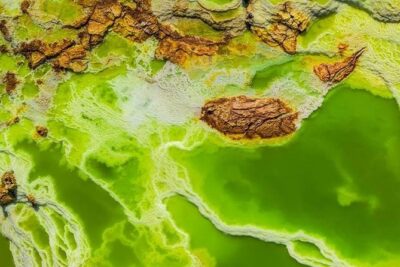
5 DAYS Lalibela, Axum, Tigray churches and Danakil
Read our review →
6 Days tour Package (Simien Mountains, Lalibela, and Danakil Depression)
Read our review →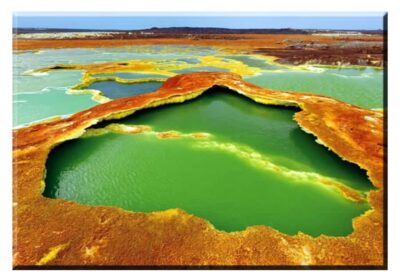
2-Night 3-Day Danakil Depression Tour without Flights
Read our review →
Lalibela, Axum, Danakil and Omo Valley 8 DAYS
Read our review →Browse the lists this tour appears in