
Reviewed · HIKING & TREKKING
6 Days Bale Mountains Trekking
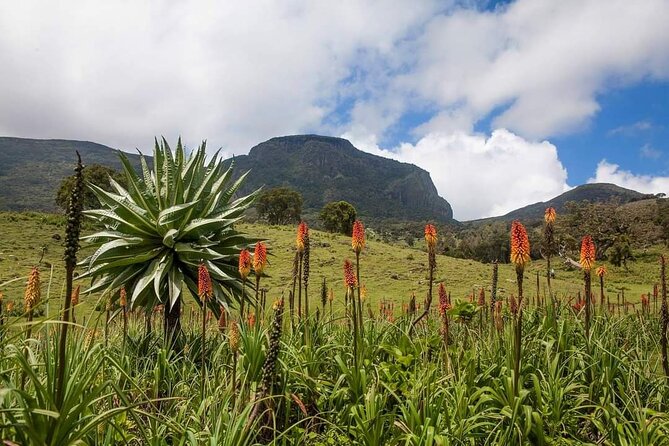
The best part of this six-day trek is the sharp change of scenery. You move from juniper woodland and wildlife-rich park headquarters to high moorland, volcanic ridges, glacial lakes, and the bamboo trails of Harenna Forest. Ethiopian wolves and mountain nyala are possible sightings, but the real reward is walking through terrain that feels far removed from Ethiopia’s busy cities.
I like the mix of wildlife and geology, and I like that the route ends in Harenna Forest rather than simply retracing its steps. The small maximum group of 10 also matters. The main consideration is altitude: you sleep as high as 3,900 meters, and several days involve seven to nine hours on foot.
Key points at a glance
- Wildlife begins at Dinsho: Look for mountain nyala, Menilik’s bushbuck, warthogs, reedbuck, baboons, and endemic birds.
- High camps bring real altitude: Sodota sits at 3,500 meters and Wasema at 3,900 meters.
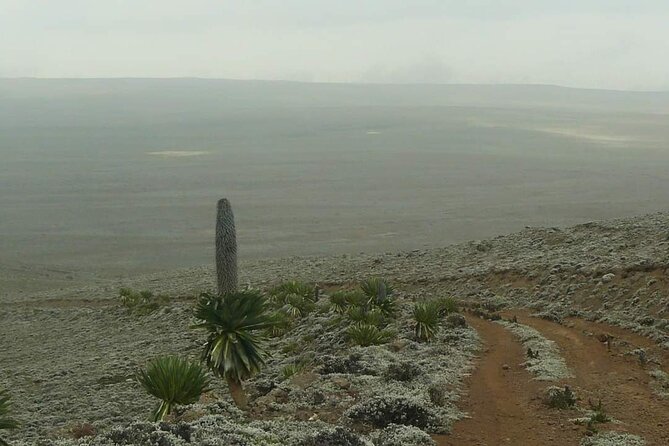
- The scenery keeps changing: Rivers, moorland, volcanic formations, glacial features, wetlands, and forest all appear on the route.
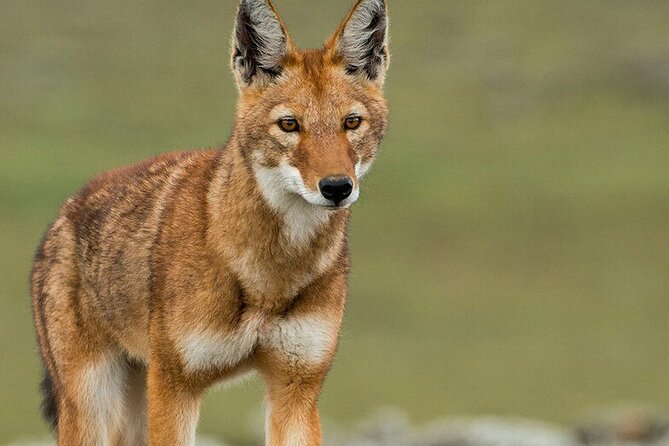
- Ethiopian wolves are a major prize: Sightings are possible around the high country, along with Abyssinian hare and birds of prey.
- Harenna Forest adds a strong finale: A waterfall, bamboo trail, Bale monkeys, and forest birds round out the trek.
- The $488 price covers a lot: Accommodation, meals, water, transport, park fees, and a guide-supported program are included, but domestic flights and tips are extra.
Why Bale Mountains work so well for a six-day trek
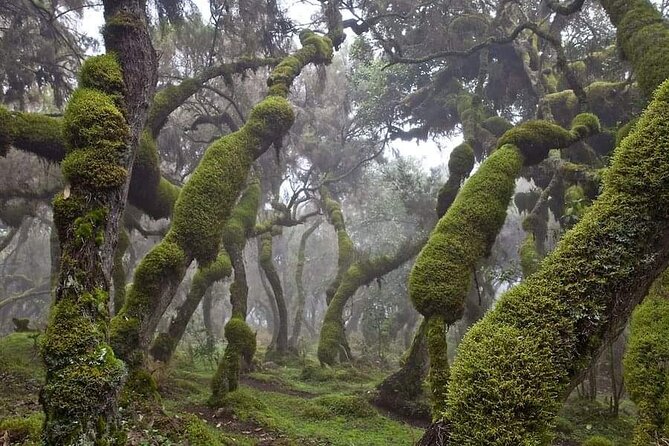
Bale Mountains National Park gives you several distinct Ethiopian environments in one trip. You are not hiking through the same type of country every day. The route begins near Dinsho in high juniper woodland, crosses open uplands and valleys, reaches camps above 3,500 meters, then shifts to the warmer forest of Harenna.
That variety is the reason I would choose this trip over a shorter wildlife outing. You get time to watch for mammals, but also time to notice the rocks, rivers, plant life, and changing air. The park is known for endemic species, so the wildlife list is not just a standard safari checklist.
Still, this is a proper trek. The daily schedule is usually around seven hours, with an eight-hour day in the high country and a nine-hour day when Harenna Forest is added. You should be comfortable walking for most of a day on natural trails and coping with cold, thin air.
More bale mountains tours in Ethiopia:
- Trekking at Bale Mountains 3 Days
★ 5.0 · 28 reviews - 3 Days Bale Mountains Trekking
★ 5.0 · 19 reviews - Bale Mountains National Park – 5 Day Tour
★ 5.0 · 4 reviews
Day 1: Dinsho brings wildlife close to the trail
After arriving at Goba airport, the team picks you up and drives to Dinsho, home of the park headquarters. The first hike takes place around the headquarters area and its juniper woodland, with an overnight stay at Dinsho Campsite at about 3,100 meters.
This is a smart first stop. You begin at altitude, but the walking is also an introduction to the park’s wildlife. Mountain nyala, Menilik’s bushbuck, warthogs, reedbuck, gray duikers, and baboons may appear. The bird list includes the Black-headed siskin, Wattled ibis, and Abyssinian catbird.
I especially like this opening because it gives you a chance to start watching wildlife before the longer walking days begin. A guide can help you separate a mountain nyala from other antelope and point out birds that are easy to miss in the trees.
The drawback is that the first day is still listed as roughly seven hours. If your flight arrives later than expected, confirm how much walking remains after pickup. The altitude is also immediate, so take the first afternoon at a measured pace.
Day 2: An 18-kilometer walk to Sodota
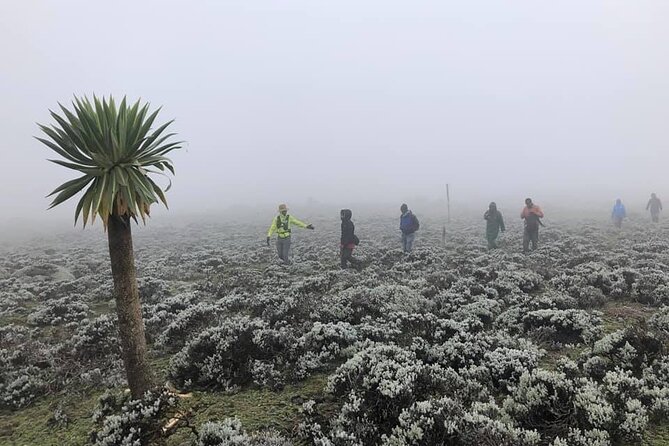
After breakfast, you hike about 18 kilometers toward Sodota Camp. The route takes in the Wolla and Web rivers near Dinsho, and the day is expected to last around seven hours. Sodota Campsite sits at approximately 3,500 meters.
This is the point where the trip begins to feel like a high-altitude trek rather than a park walk. River views give the route structure, while the open country creates good conditions for scanning slopes and valleys. Ethiopian wolves, rock hyraxes, and birds of prey are possible sightings.
The Ethiopian wolf is one of the main reasons people choose Bale Mountains. You should treat a sighting as a possibility, not a promise. Wildlife moves on its own schedule, and the value of the day does not depend on checking off every species.
The distance is manageable for fit hikers, but 18 kilometers at increasing altitude can feel demanding. Keep water handy, use the supplied breaks wisely, and do not try to match the fastest person in the group. The tour includes bottled water, but carrying your daily supply still requires some effort.
Day 3: Mararo Valley and the climb to Wasema
Day 3 leads through Mararo Valley toward Wasema Camp, with about seven hours of walking. You may see eagles nesting near the verros, along with other birds and possibly another Ethiopian wolf.
The appeal here is the sense of scale. Valleys, high ridges, and open slopes make the route feel broad and exposed. Birdwatchers should pay attention to the sky and cliff areas, not only the ground. The nesting eagles give the day a clear natural highlight.
Wasema Camp is at about 3,900 meters. This is the highest overnight point listed, and it deserves respect. Even strong hikers can feel the effects of altitude, especially after several days of walking. Move slowly, drink regularly, and tell the guide if you develop a headache, dizziness, unusual fatigue, or other altitude symptoms.
Camping at this height is part of the appeal, but it also means comfort is basic. This trip is about being in the mountains, not enjoying hotel-style evenings. Accommodation, meals, and camp arrangements are included, yet you should prepare mentally for simple facilities.
A few more Ethiopia trips to weigh up
- 4 days semien mountain national park trekking,
★ 5.0 · 11 reviews - 5-Day Northern Ethiopia Tour : 3D Simien Mountains Trek & Axum.
★ 5.0 · 9 reviews - Simien Mountains Trekking Adventure
★ 5.0 · 8 reviews - 4 Days Trekking to Simien Mountain National Park
★ 5.0 · 7 reviews
Day 4: Volcanic ridges and Ice Age country
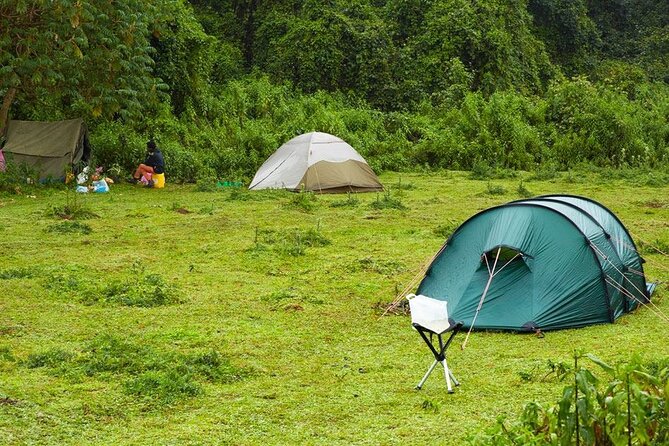
The fourth day is devoted to the high mountain terrain and lasts about eight hours. Here you can see how the Bale range was shaped by ancient volcanic activity and later altered by Ice Age conditions.
This is a good day to slow down and look at the ground beneath your boots. The ridges, rock formations, wetlands, and high valleys are not random scenery. They reflect old volcanic forces, glacial action, and the long process that shaped Ethiopia’s relief.
The itinerary does not give a specific overnight camp or distance for this day, so ask the operator for the exact route before departure. That missing detail matters when you are planning energy, clothing, and expectations. You should also confirm how the night’s accommodation fits with the following morning’s vehicle transfer.
For many people, Day 4 will be the visual high point. For others, the altitude and long hours may make it the hardest day. I would rate it as the day that most clearly rewards a genuine interest in geology and mountain environments.
Day 5: From high country to Harenna Forest
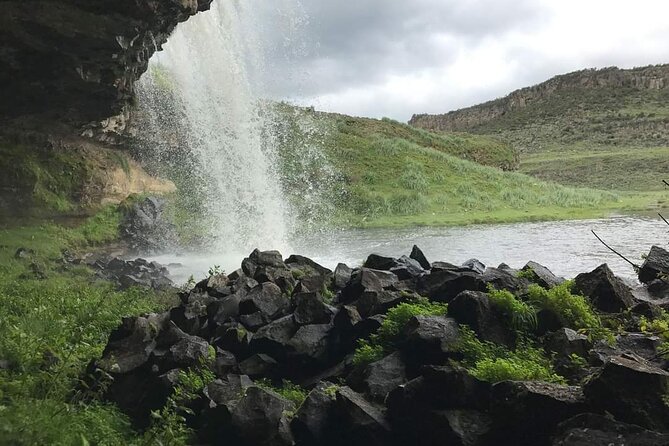
After breakfast, you meet the vehicle at camp and drive toward Harenna Forest, described as the country’s second tropical rainforest. Along the way, you may look for Ethiopian wolves, Abyssinian hare, Blue-winged goose, ruddy shelduck, Wattled crane, and other water birds.
This transfer is not wasted time. It connects two very different parts of the park and gives your legs a break from the high route. Once in the forest, you hike to a waterfall and follow a bamboo trail. Bale monkeys and many bird species may be seen in this section.
I like the way this day changes the rhythm. After cold, open high country, forest shade and bamboo make the route feel fresh. The forest also keeps the wildlife focus going without asking you to spend another full day on exposed uplands.
The day is listed at about nine hours, so do not mistake the vehicle transfer for a short or easy outing. You still have a hike at the other end, and the combined schedule can make this one of the longest days. Overnight is at Tokuma or a similar accommodation.
Day 6: A short transfer back to the airport
After breakfast, you are transferred to the airport for your flight back to Addis Ababa. The final day is listed at about two hours.
That short finish is useful if you have onward plans in Addis Ababa, but your domestic flight is not included in the $488 price. Check the departure details carefully and allow time for the transfer. The tour operator can help coordinate the internal flights, and past arrangements have included assistance when flight plans changed.
What the $488 price really includes
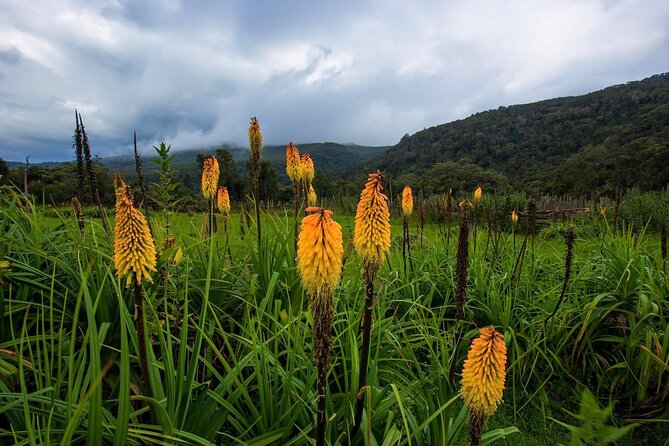
At $488 per person, this is a strong package if you want the trek arranged rather than organizing each piece yourself. The price includes:
- Accommodation
- Five breakfasts
- Five lunches
- Five dinners
- Bottled water
- Coffee and tea
- An air-conditioned vehicle
- Park fees and other listed taxes
- Pickup and airport transfers connected with the program
The value comes from the combination of transport, food, camps, park access, and a six-day route through remote country. Organizing those elements separately could be tiring, particularly when altitude, camps, and the airport transfer all need to line up.
You still need to budget for the domestic flight, tips, alcoholic drinks, souvenirs, and other personal expenses. The flight is the biggest missing cost, so ask for the current fare before comparing the total price with other tours.
The group maximum is 10 people. That is small enough for a more personal pace and better wildlife stops, though the actual group size may be smaller or larger than you prefer. Confirm the expected number before booking if this is important to you.
Guides, communication, and the human side of the trip
Armaye Ethiopia Tours is the operator, and communication is one of the practical strengths of the arrangement. The company has been responsive with questions and has helped coordinate internal flights, including changes after disrupted flight plans.
Guides connected with the company include Awel, Awol, and Armaye. If you have a preference, ask who will lead your dates. Awel has been praised for kindness, care, and making sure individual needs were met, while Armaye has been described as closely involved in planning and communication.
That personal contact matters on a trek. At high altitude, a guide needs to notice when you are struggling, adjust the pace, and explain what you are seeing. You should still take responsibility for your own health and tell the guide early if you feel unwell.
The operation also uses local people in the guiding, driving, cooking, and horse-handling roles on longer Bale trips. That can make the trip feel more connected to the area, although the precise support team for this six-day program should be confirmed before departure.
What to pack for high camps and forest trails
The supplied information confirms a moderate fitness requirement, but I would prepare for more than an ordinary day hike. Your route includes long walking days, high camps, cold conditions, and changing terrain.
Bring warm layers for Dinsho, Sodota, and Wasema, plus rain protection and sturdy footwear. A small daypack, water bottle, sun protection, personal medication, and a headlamp are sensible choices for a camping trip. Ask the operator what camping equipment is supplied so you do not duplicate bulky gear.
You also need clothes suited to Harenna Forest. The forest day may be warmer and damp compared with the high ridges, so pack layers rather than relying on one heavy jacket.
The most important preparation is pacing. You do not need to race the route. A steady walking speed, regular drinks, and early communication with the guide will make the high days more manageable.
Who should book this Bale Mountains trip?
I would choose this trek if you want wildlife, remote mountain scenery, and a real walking program in one trip. It suits people with moderate fitness who are happy with basic camping and who see the high altitude as part of the adventure rather than an inconvenience.
It is especially good for:
- Wildlife watchers hoping to see Ethiopian wolves and mountain nyala
- Birdwatchers interested in endemic species and birds of prey
- Hikers who want several types of terrain in one national park
- Visitors who prefer a small group and organized transport
- People who want a forest section as well as high mountain walking
I would hesitate if you dislike long days on foot, have difficulty at altitude, or want a soft bed and flexible sightseeing hours each evening. The nine-hour fifth day and 3,900-meter camp are not minor details.
Cancellation is free if you cancel at least 24 hours before the start time. A late cancellation is not refunded, and poor weather or an insufficient minimum group can lead to a different date or a full refund.
Should you book the six-day trek?
Book it if you want the full Bale Mountains sequence: Dinsho wildlife, river valleys, high camps, volcanic country, and Harenna Forest. The price is attractive because it covers meals, accommodation, transport, water, and park costs, while the group cap keeps the arrangement from feeling unwieldy.
Before paying, confirm the domestic flight cost, the exact Day 4 route, the camping equipment supplied, and the guide assigned to your departure. If you are ready for altitude and long walking days, this is one of Ethiopia’s better choices for combining unusual wildlife with wild mountain scenery.
FAQ
Where does the trek begin?
The trek begins after pickup at Goba airport, followed by a drive to Dinsho town and Bale Mountains National Park headquarters.
How long does the tour last?
The program lasts approximately six days.
What is the highest overnight altitude?
Wasema Campsite on Day 3 is listed at approximately 3,900 meters above sea level.
How difficult is the trek?
You should have a moderate level of physical fitness. Walking days are generally about seven hours, with an eight-hour high-country day and a nine-hour Harenna Forest day.
Is the domestic flight included?
No. The domestic flight fee is not included in the tour price.
Are meals included?
Yes. Five breakfasts, five lunches, and five dinners are included.
Is airport pickup available?
Yes. Pickup is offered, and the itinerary includes collection at Goba airport and a transfer back to the airport on Day 6.
How many people can join the tour?
The maximum group size is 10 people.
What is the cancellation policy?
You can cancel at least 24 hours before the experience starts for a full refund. Cancellations or changes made less than 24 hours before the start time are not accepted for a refund. If poor weather or an insufficient minimum group cancels the tour, you are offered another date or a full refund.
More 6-Day Experiences in Ethiopia
- 6 Days Omo Valley Tribes Tours From Addis Ababa
★ 5.0 · 33 reviews - 6 Days tour Package (Simien Mountains, Lalibela, and Danakil Depression)
★ 5.0 · 32 reviews - 6 Days Lalibela, Omo Valley and Harar
★ 5.0 · 15 reviews - Omo Valley Tribes 6 Days Tours
★ 4.9 · 10 reviews
Just added around Ethiopia
- Yod Abyssinia Cultural Night: Dinner, Music, and Dance★ 5.0 · 7 reviews
- 2 days Tigray Church★ 5.0 · 3 reviews
- 3 days tour Danakil Depression (Dallol & Erta Ale)★ 4.0 · 5 reviews
- Trekking in Ethiopia’s Lalibela Wollo Highland 4 Days / 3 Nights★ 5.0 · 6 reviews
- 2 Days Dallol Trip★ 5.0 · 4 reviews
- The Rock-Hewn Churches of Lalibela: 3 Days / 2 Nights★ 5.0 · 6 reviews
- Lalibela Backpacker tours★ 5.0 · 6 reviews
- Lalibela churches Guided Tour★ 5.0 · 6 reviews
Hiking & Trekking, compared.
5-Day Northern Ethiopia Tour : 3D Simien Mountains Trek & Axum.
Read our review →
4 Days Trekking to Simien Mountain National Park
Read our review →
3-days Scheduled Lalibela Churches & Abune Yosef Trekking
Read our review →
Browse the lists this tour appears in