
Reviewed · OMO VALLEY TRIBAL TOURS
Omo Valley Tribes 6 Days Tours
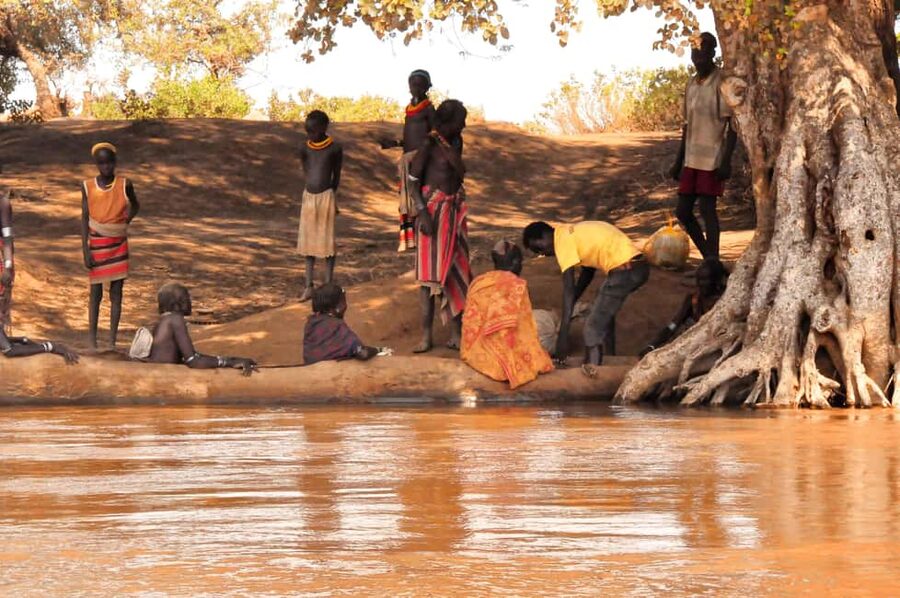
The Omo Valley is one of Ethiopia’s most striking cultural regions, home to more than 200,000 people speaking 47 languages. This six-day route links major cultural sites with traditional villages, mountain communities, Lake Chamo, and the dry country near Lake Turkana. The range of peoples you meet is the real draw, not simply the number of stops.
I like the combination of major heritage sites and living communities, from Lucy at Addis Ababa’s National Museum to the Dorze huts, Konso terraces, and Hamer villages. I also like that a professional driver, English-speaking guide, local guides, entrance fees, and a boat trip are included in the $1,400 price.
The drawback is the pace. You cover long distances by road, some hotel standards may feel uneven, and lunch, dinner, drinks, tips, and flights are extra. Day six also packs Mago, Jinka, the Ari people, and the return to Addis into one demanding final day.
Key points to know before booking
- Six days connect northern Omo Valley highlights: You visit Tiya, Arba Minch, Dorze, Konso, Bana, Turmi, Omorate, Jinka, Mago, and Ari communities.
- Lake Chamo adds a wildlife stop: The boat trip includes crocodiles, hippos, and birdlife at the place locals call the crocodile market.
- Cultural encounters are central: Dorze, Konso, Bana, Hamer, Dassanech, Mursi, and Ari communities each have distinct traditions and settings.
- The $1,400 price covers useful basics: Hotels, breakfast, a car and professional driver, guide services, entrance fees, scout fees, and the Lake Chamo boat trip are included.
- Road time is part of the experience: Addis Ababa to the south and the return from Jinka require patience, so this suits people who value access over a relaxed schedule.
- Plan for cash and extra costs: Bring your passport and cash, and budget separately for lunch, dinner, tips, alcohol, flights, and cultural ceremonies.
Addis Ababa begins with Lucy and the capital’s grand sights
Your first day starts with an airport pickup and a transfer to your Addis Ababa hotel. After a short chance to refresh, the route takes you to the National Museum, where you can see the famous Lucy fossil, one of the world’s best-known early hominid discoveries.
This is a smart opening stop. Before heading south to meet present-day communities, you get a quick grounding in Ethiopia’s much older human story. The museum visit is not a substitute for the Omo Valley, but it gives the rest of the trip useful context.
The Holy Trinity Cathedral follows. It was built during the period of the Second World War and offers a different view of Ethiopia’s capital, with religious and national history meeting in one place. You then visit the Ethnographic Museum, housed in the former palace of Emperor Haile Selassie.
I especially like the contrast between these first stops. The National Museum looks far back in time, while the Ethnographic Museum focuses more closely on the country’s peoples and customs. The day finishes at Merkato, described as the biggest market in East Africa.
Merkato can be a lively, crowded place, so keep your belongings secure and stay close to your guide. It is also a useful place to see the everyday commercial side of Addis before the trip turns toward smaller towns and rural communities.
Your first night is at Triple-E Hotel and Spa in Addis Ababa. Breakfast is included during the trip, but you should expect to pay for lunch and dinner yourself. The early departure on day two makes an early night sensible.
More Omo Valley Tribal Tours in Arba Minch
- 3 days around Arbaminch and Konso Adventure Tours Life Time
★ 5.0 · 24 reviews - 5 Day Private tour to the Omo Valley Tribes and Adventure Tour
★ 5.0 · 11 reviews - From Jinka: Omo Valley Tribe 3-Day Tour
★ 5.0 · 9 reviews
Tiya turns the road south into a heritage route
After breakfast, you leave Addis Ababa and drive south toward Tiya, a UNESCO World Heritage site. Here, engraved standing stones form the northernmost known example of a distinctive type of stelae found across parts of southern Ethiopia.
Tiya is a short but meaningful stop because it shows that the journey south is not simply a transfer between hotels. The stones are linked to a culture whose full meaning is not fully known, and their markings give the site a quiet sense of mystery without requiring a long visit.
The route continues to Welayta for lunch. Lunch is not included, so this is one of the first points where you will need cash and local payment planning. Afterward, you continue to Arba Minch for the night.
Arba Minch is a useful base for the next day’s Lake Chamo and Dorze visits. You stay at Paradise Lodge, and the road time on this day makes the itinerary more suitable for people comfortable with long drives than for anyone seeking short transfers and lots of free time.
Lake Chamo brings crocodiles, hippos, and birds
Day three begins with a boat trip on Lake Chamo. The famous crocodile market is not a place where crocodiles are bought or sold. The name refers to a part of the lake where crocodiles come out of the water and rest.
The boat trip also gives you a chance to see hippos and different kinds of birds. These sightings are naturally dependent on conditions, but the outing adds a welcome change from road travel and village visits. It is one of the clearest value points in the package because the boat trip is included rather than treated as an optional extra.
After the lake, you drive into the Gughe Mountains to visit a Dorze village. The Dorze people are known for their tall, beehive-shaped huts, which are among the most visually distinctive structures on this route.
The houses are not just decorative curiosities. They show how local building traditions adapt to mountain conditions and available materials. The Dorze visit is likely to be one of the trip’s most memorable architectural stops, though you should approach it as a visit to a living community, not a staged museum display.
You return to Arba Minch for lunch before continuing to Konso. That same-day combination of boat trip, mountain road, lunch, and a transfer means the schedule stays full. Your overnight stop is Kanta Lodge in Konso.
Konso combines terraces, villages, and coffee country
Konso is recognized by UNESCO for its terraced farming system. The terraces are a major reason this area matters. They show how people have shaped steep or difficult ground for agriculture over generations, using practical methods suited to local conditions.
You also visit a Konso village. The stop gives you a chance to connect the terraces with daily community life rather than viewing them as a separate monument. One of the country’s best types of coffee is also associated with this area, adding another local detail to the visit.
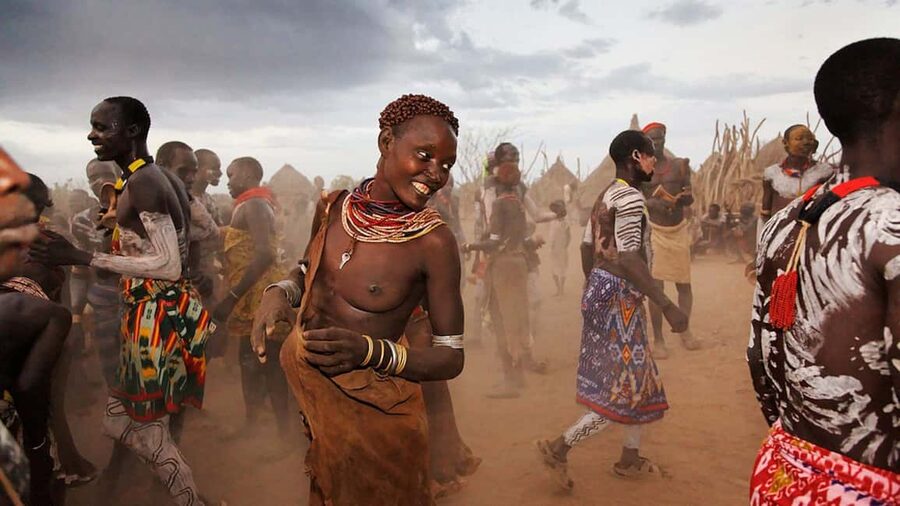
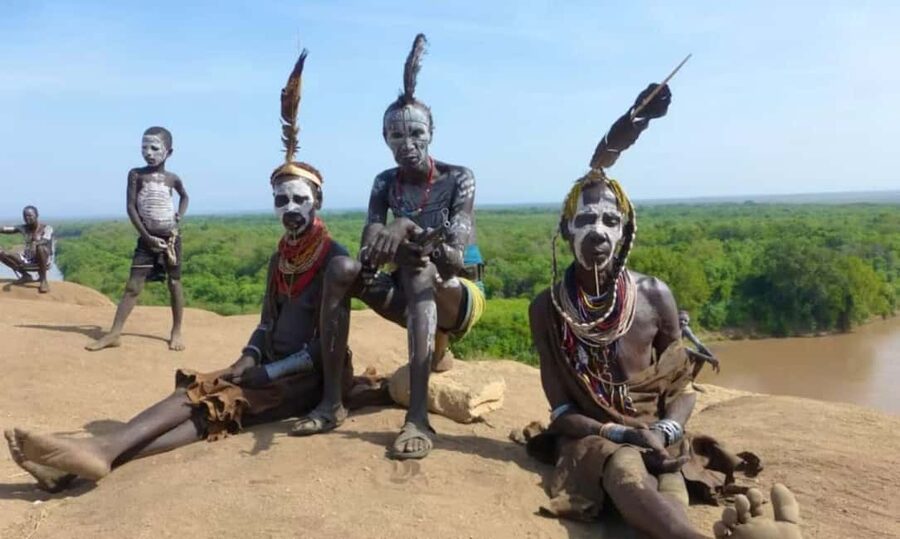
After Konso, the route continues to a Bana village. The Bana are indigenous pastoral and semi-nomadic people living in the harsh lower Omo Valley environment. Their way of life differs from the farming traditions emphasized at Konso, which is why the sequence works well.
The men may wear their hair in a colorful clay cap decorated with feathers. Details like this are visually memorable, but they also call for respectful behavior. Ask your guide before taking photographs, and remember that a cultural visit should involve patience rather than treating people as scenery.
You then continue to Turmi, where the Hamer people live. Overnight accommodation is at Emerald Lodge in Turmi. The spelling of the hotel name may vary in booking material, so it is wise to confirm the property before departure.
More omo valley tribal tours in Ethiopia:
- 6 Days Omo Valley Tribes Tours From Addis Ababa
★ 5.0 · 33 reviews - Lalibela, Axum, Danakil and Omo Valley 8 DAYS
★ 5.0 · 29 reviews - 3 Days Omo Valley Tour
★ 5.0 · 24 reviews - Danakil Depression, Lalibela, Omo Valley and Simien Mountains
★ 5.0 · 23 reviews
Turmi and Omorate reveal the lower Omo Valley
Day four brings a visit to the Hamer area, followed by the next morning’s trip to Omorate. The Hamer are one of the best-known communities in the lower Omo Valley, and the route gives you time to see another distinct cultural setting after Dorze, Konso, and Bana.
The drive from Turmi to Omorate is listed as about 75 kilometers and two hours. You visit the Dassanech people, whose name is translated here as people of the delta. They live on the northern shore of Lake Turkana, close to the southern end of the Omo Valley.
This is a good example of why the trip is more than a checklist of villages. The communities are connected to different environments and livelihoods. The change from the mountain setting around Dorze to the dry country near Lake Turkana helps you understand how varied southern Ethiopia is within a relatively compact region.
After the Omorate visit, you drive back to Turmi for lunch and then continue to Jinka. The return drive makes the day long, but it also keeps the route practical. You stay at Jinka Resort.
Lunch and dinner are not included, so your daily food budget matters. Alcoholic drinks are also extra. If you plan to attend a cultural ceremony or festival, entrance fees for those events are not part of the package either.
Mago National Park and the Mursi visit require respect
On day six, you take an excursion from Jinka to Mago and return to Jinka for lunch. The schedule identifies the Mursi as the main cultural focus. They are known for living in low huts made from straw and leaves, as well as for distinctive clay ornaments worn by some women on stretched lower lips and ear lobes.
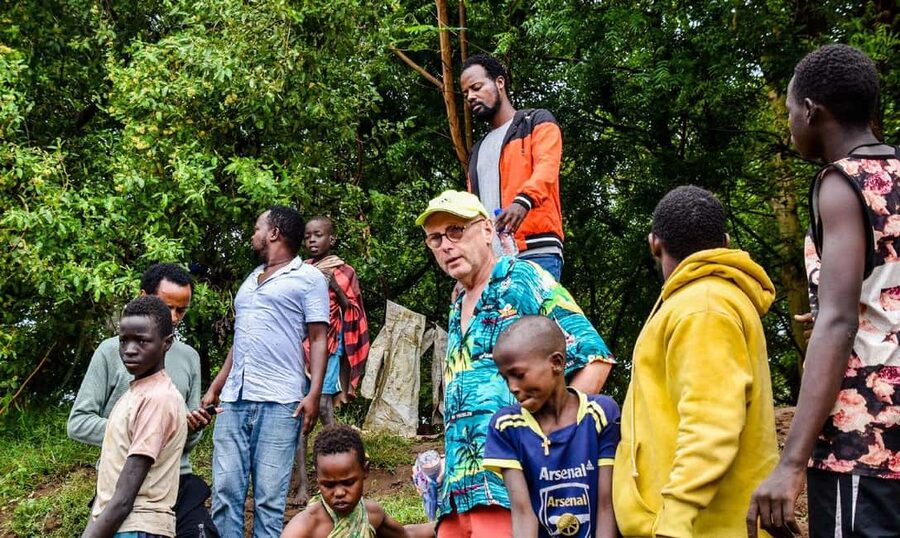
This is a sensitive kind of cultural visit. The visual details are often what people remember, but the people you meet are not a photo display. Listen to your guide, follow local instructions, and ask clearly before taking pictures. A respectful approach will make the encounter more worthwhile and less intrusive.
The itinerary then mentions a visit to the Ari people, the largest population in the lower Omo Valley. It does not provide a precise schedule for this stop, so you should ask the operator how much time is planned for the Ari community and how it fits with the return to Addis Ababa.
That final point matters. Day six includes Mago, the return to Jinka, lunch, the Ari visit, and the drive to Addis Ababa. The supplied plan does not specify the road duration or confirm the exact transport arrangement for the Addis return. Treat this as a long travel day and confirm the details before booking.
What the $1,400 price really covers
At $1,400 per person, this is not a budget bus tour. It is also more than a simple hotel-and-driver package. The price includes accommodation with breakfast, a professional guide, a professional driver, entrance fees, scout fees, and the Lake Chamo boat trip.
Those inclusions matter in the Omo Valley. You are moving through several areas where local access, entrance arrangements, and community visits can be harder to organize independently. Having a driver and guide also keeps the route focused when road distances are long.
The accommodation is spread across named properties: Triple-E Hotel and Spa in Addis Ababa, Paradise Lodge in Arba Minch, Kanta Lodge in Konso, Emerald Lodge in Turmi, and Jinka Resort. Hotel quality may not feel identical at every stop. One rating specifically notes that some hotels can be overly focused on their own interests and may not always satisfy every visitor, so keep expectations practical.
Your extra costs will include:
- Lunches
- Dinners
- Tips
- Alcoholic drinks
- Local flights, if needed
- Entrance fees for cultural ceremonies or festivals
The ability to reserve now and pay later adds flexibility, and cancellation is available up to 24 hours before departure for a full refund. Still, the best value comes when you actually want the included structure: a private road itinerary, cultural access, and the major entry costs handled in advance.
The guide and driver make a real difference
The strongest practical feature is the team on the road. The trip uses an English-speaking guide, local guides, and a professional driver. One rating gives special praise to a kind and polite English-speaking driver and the local guides, with the service described as a major part of the positive experience.
No individual guide names are supplied, so I would not expect to choose a particular guide when booking. Ask for the driver’s name, vehicle details, and the local guide arrangements before departure. In a trip with this much road time, clear communication and a calm driver matter as much as the sightseeing list.
Local guides are especially useful in community visits. They can explain customs, help with translation, advise on photographs, and clarify what is appropriate. Their role is not a minor add-on. It can shape whether a village visit feels respectful and informative or rushed and uncomfortable.
Practical preparation for six demanding days

Bring your passport and cash. The cash is important because several meals and optional expenses are excluded, and the itinerary moves through smaller towns where card payment may not be dependable.
The tour is conducted in English. Babies under one year are not considered suitable for the activity, and the stated maximum weight is 309 pounds, or 140 kilograms. These limits are worth checking before you reserve.
You should also prepare for frequent changes in setting. The route covers Addis Ababa, archaeological and heritage sites, a lake, mountain villages, dry lower Omo communities, and several long road transfers. I would pack light but bring clothing suited to warm days, cooler mountain conditions, and visits where modest dress is sensible.
Photographs are a major temptation on this route. Ask before photographing people, especially during village visits. Your guide can explain local expectations and any fees or permissions that apply.
The overall rating is 4.9 from 10 ratings, with especially strong praise for the driver, local guides, interesting experiences, and sense of adventure. A separate rating gives a more cautious picture, pointing to uneven hotel service. Taken together, the message is clear: the itinerary and people guiding it are strong, but accommodation and service standards may vary.
Should you book the Omo Valley tour?
Book this tour if you want a tightly arranged introduction to southern Ethiopia and value cultural variety over leisure time. The route gives you an unusually broad sample in six days: Lucy and Addis Ababa, Tiya, Lake Chamo, Dorze, Konso, Bana, Hamer, Dassanech, Mursi, and Ari communities.
I would choose it for an adventurous first visit when organizing a long southern road route on your own feels difficult. The included driver, guide, entrance fees, scout fees, hotels, breakfast, and boat trip make the cost easier to understand.
I would hesitate if you dislike long drives, need consistent hotel standards, or want plenty of unplanned time in each community. Ask for a clear explanation of day six and the transport back to Addis before paying.
For the right person, this is a valuable, demanding introduction to one of Ethiopia’s most culturally varied regions. Go with patience, cash, respectful photo habits, and realistic expectations about road travel and hotels.
FAQ
How long is the Omo Valley Tribes tour?
The tour lasts six days, beginning with arrival and sightseeing in Addis Ababa and ending with a visit around Jinka before the return drive to Addis Ababa.
What is included in the $1,400 price?
The price includes accommodation with breakfast, a professional guide, entrance and scout fees, a Lake Chamo boat trip, and a car with a professional driver.
Are lunch and dinner included?
No. Lunch and dinner are not included, so you need to budget for both meals throughout the trip.
Which communities are included in the itinerary?
The route includes visits connected with the Dorze, Konso, Bana, Hamer, Dassanech, Mursi, and Ari people.
Is the Lake Chamo boat trip included?
Yes. The package includes a boat trip on Lake Chamo, where you may see crocodiles, hippos, and different kinds of birds.
What should I bring, and can I cancel?
You should bring your passport and cash. You can cancel up to 24 hours before departure for a full refund, and the tour allows you to reserve and pay later.
More 6-Day Experiences in Ethiopia
- 6 Days tour Package (Simien Mountains, Lalibela, and Danakil Depression)
★ 5.0 · 32 reviews - 6 Days Lalibela, Omo Valley and Harar
★ 5.0 · 15 reviews - 6 Days Bale Mountains Trekking
★ 5.0 · 10 reviews - 6 Days Omo valley Tribal Tour (Starts Arba Minch End Jinka)
★ 5.0 · 7 reviews
Just added around Ethiopia
- Yod Abyssinia Cultural Night: Dinner, Music, and Dance★ 5.0 · 7 reviews
- 2 days Tigray Church★ 5.0 · 3 reviews
- 3 days tour Danakil Depression (Dallol & Erta Ale)★ 4.0 · 5 reviews
- 2 Days Dallol Trip★ 5.0 · 4 reviews
- Trekking in Ethiopia’s Lalibela Wollo Highland 4 Days / 3 Nights★ 5.0 · 6 reviews
- The Rock-Hewn Churches of Lalibela: 3 Days / 2 Nights★ 5.0 · 6 reviews
- Lalibela Backpacker tours★ 5.0 · 6 reviews
- Lalibela churches Guided Tour★ 5.0 · 6 reviews
Omo Valley Tribal Tours, compared.

6 Days Omo Valley Tribes Tours From Addis Ababa
Read our review →
Lalibela, Axum, Danakil and Omo Valley 8 DAYS
Read our review →

3 days around Arbaminch and Konso Adventure Tours Life Time
Read our review →Danakil Depression, Lalibela, Omo Valley and Simien Mountains
Read our review →


Browse the lists this tour appears in