

Reviewed · OMO VALLEY TRIBAL TOURS
5 days Omo valley
The most striking part of this five-day trip is the quick change from mountain villages and lake country to the dry Omo Valley, where clothing, body paint, jewelry, and scarification carry strong cultural meaning. You move through several communities, including the Dorze, Karo, Hamer, Dassenech, Ari, Nyangatom, and Mursi.
I like the mix of cultural visits and outdoor scenery, especially the Dorze village and Lake Chamo boat safari. I also like that transport, accommodation, village admissions, markets, and an English-speaking driver-guide are included, which keeps a demanding route easier to manage. The main drawback is the pace: five days cover a lot of ground, with long drives and several stops that depend on market days and local conditions.
Key Points to Know Before Booking
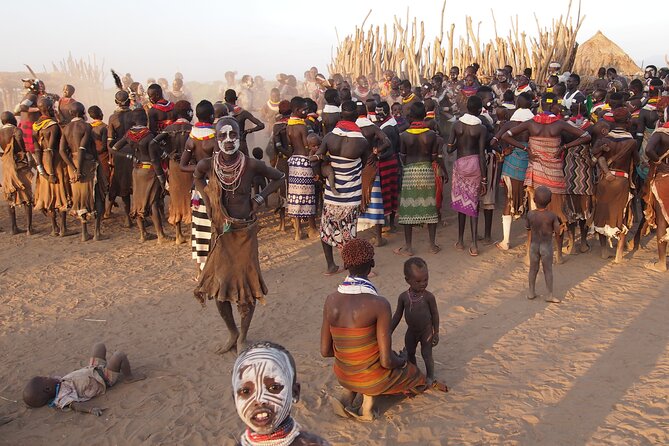
- Seven or more cultural communities: The route includes Dorze, Konso, Karo, Nyangatom, Hamer, Dassenech, Ari, and Mursi visits, though the exact daily order may need confirmation.
- Two useful market days: Keyafer is scheduled for Thursdays and Dimeka for Saturdays, so your departure date matters.
- A scenic opening: The trip begins with a flight to Arbaminch, a Dorze mountain visit, and a boat safari on Lake Chamo.
- Private transport included: You receive an air-conditioned vehicle, driver-guide, entrance fees, and four nights of accommodation.
- Small maximum group: The tour accepts no more than 13 people, with group discounts available.
- A demanding schedule: This is a concentrated southern Ethiopia trip, not a slow village stay.
Why the Omo Valley Is the Main Event

The Omo Valley is known for the way people use dress and body decoration as forms of identity and expression. Bright yellow, white, and earth-red pigments come from the local setting, while jewelry, head decorations, painted skin, and carefully chosen clothing can turn an ordinary gathering into a display of personal style.
That visual quality is only one part of the experience. Your guide should help explain what you are seeing without reducing communities to costumes or photo opportunities. I would make this clear before you set out: respectful photography, patience, and listening matter as much as the pictures you bring home.
The route gives you several points of comparison. The Dorze visit takes place in the mountains near Arbaminch. Later, the Karo are associated with skin scarification and ornamental decoration, while the Hamer are visited near Turmi. The Dassenech community is reached from Omorate by the Omo River, giving the tour a geographic as well as cultural range.
You will not spend five days in one community. Instead, you get a broad introduction to southern Ethiopia, with changing scenery and several cultural settings. That breadth is the tour’s strength, but it also means the experience can feel fast.
More Omo Valley Tribal Tours in Addis Ababa
- 6 Days Omo Valley Tribes Tours From Addis Ababa
★ 5.0 · 33 reviews - 3 Days Omo Valley Tour
★ 5.0 · 24 reviews - Danakil Depression, Lalibela, Omo Valley and Simien Mountains
★ 5.0 · 23 reviews
Day 1: Flying to Arbaminch and Meeting the Dorze
The tour begins with a flight from Addis Ababa to Arbaminch. That saves considerable road time and lets the southern portion of the trip start at once. From Arbaminch, you head into the mountains for a cultural visit to a Dorze village.
The Dorze are known for their distinctive mountain setting and traditional way of life. The visit is designed to help you learn about the community rather than simply make a brief roadside stop. The surrounding area is described through wild trees, flowering plants, and thick vegetation, a notable contrast with the drier country farther south.
I like this first day because it gives the trip a gentle cultural opening. You begin with a highland village before moving into the more arid Omo Valley. That contrast helps you understand that southern Ethiopia is not one single environment or one single culture.
The included Dorze village admission removes one small layer of planning. Still, ask your guide how much time is planned in the village and what the visit includes. The supplied schedule gives the destination but not a precise timetable, and your available time may depend on the flight and road conditions.
Day 2: Lake Chamo, Konso, and the Road to Turmi
Day two starts with a boat safari on Lake Chamo. This is the trip’s main nature-focused activity, a welcome change after the village visit. The schedule identifies it as a boat safari, but it does not promise particular animal sightings, so treat it as a scenic water excursion rather than a guaranteed wildlife trip.
After Lake Chamo, you drive toward Turmi, stopping at a local Konso village along the way. The Konso visit adds another cultural setting to the route and gives your guide a chance to explain how communities in southern Ethiopia differ in customs and daily life.
The day can also include Keyafer market on Thursdays or Dimeka market on Saturdays. These dates are important. If seeing one of the markets is a priority, check the departure date before paying, because a five-day schedule may not naturally line up with both.
Markets often offer a more active view of regional exchange than a staged village visit. You may find local clothing, household goods, food, and handmade items, but the tour information does not promise specific products or activities. Bring curiosity, and let the market be a place to observe ordinary buying and selling rather than a shopping checklist.
The drive to Turmi is one of the practical costs of reaching the Omo Valley. Private transport and an air-conditioned vehicle are included, which matters on a route with several long road sections. You should still expect a full day and keep your schedule flexible.
Day 3: Karo, Nyangatom, and Hamer Communities
On day three, the route heads to a Karo village. The Karo are specifically associated with skin scarification and ornamental decoration, so this is one of the most visually distinctive visits on the trip. Body paint and markings should be understood in their cultural setting, not treated as decoration created for visitors.
The schedule then continues to a Nyangatom village before a Hamer village visit in the afternoon. The order gives you a busy day with several cultural encounters. For me, the value is the comparison: you are not seeing one generalized version of southern Ethiopia, but several communities with their own styles and traditions.
The Hamer visit is one of the tour’s included admissions. The description does not promise a particular ceremony, dance, or event, so do not book this trip expecting a fixed performance. Your actual experience will depend on the village, timing, and what is taking place when you arrive.
That uncertainty is worth accepting, but it also makes a pre-trip conversation useful. Ask what the guide expects to visit on your date, how photography is handled, and whether any activity is planned or simply a village meeting. A clear understanding helps keep your expectations respectful and realistic.
The day’s pace may be the hardest part for some people. Karo, Nyangatom, and Hamer visits in one day give you a lot to absorb, but little time to process it. If you prefer long stays and quiet observation, you may find this route too compressed.
Same country, a very different kind of day:
- Full Day Tour of Addis Ababa with Hotel Pickup and Drop-off
★ 5.0 · 430 reviews - Taste of Ethiopia
★ 5.0 · 406 reviews - Day Trip From Addis Ababa See Historical Monastery,Stunning Nature,Animals,Birds
★ 5.0 · 303 reviews - Addis Ababa: Debre Libanos, Blue Nile Gorge, and Cave Tour
★ 4.5 · 256 reviews
Day 4: Omorate and the Dassenech by the Omo River
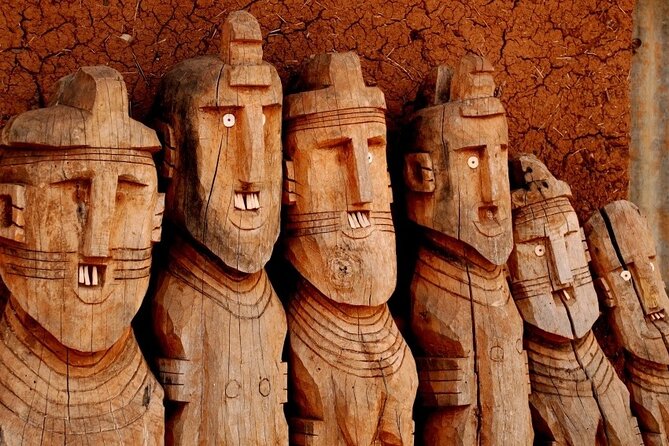
Day four takes you to Omorate for a visit to a Dassenech village by the Omo River. The river is central to the sense of place here, and the stop adds a different setting from the mountains around Arbaminch and the villages near Turmi.
The Dassenech visit is listed with admission included. Private transport and an English-speaking driver-guide also remain part of the arrangement, so you are not left to organize the road section or village access on your own.
After returning to Turmi, the route continues to Jinka. In Jinka, you visit an Ari village and the South Omo Ethnography Museum. The museum is an important addition because it can provide wider context after several direct community visits. It gives you a chance to connect what you have seen with the broader cultural picture of the region.
The schedule also lists Keyafer and Dimeka markets around this part of the route. Since Keyafer operates on Thursdays and Dimeka on Saturdays, confirm exactly which market, if any, fits your dates. The details provided do not establish that both markets can be visited on one five-day departure.
Mursi village admission is also included in the package, although the daily schedule supplied here does not assign a specific day for that visit. This is the one itinerary detail I would clarify before booking. Ask where the Mursi visit fits, how much time it receives, and whether it replaces another stop.
Day 5: Wrapping Up a Very Full Southern Route
The supplied schedule details the first four days and describes the experience as lasting about five days. It does not provide a full day-five program or a specific return flight and arrival time. That matters if you are connecting this trip with an international flight from Addis Ababa.
Before booking, ask for the exact final-day plan. You should know whether day five is a return journey, a final visit near Jinka, or a transfer connected with a flight. The answer will affect how much time you need afterward.
This missing detail does not cancel the value of the tour, but it does mean you should avoid making a tight onward connection without written confirmation. A southern Ethiopia route with several road sections and weather-sensitive operations deserves breathing room.
What the $830 Price Covers
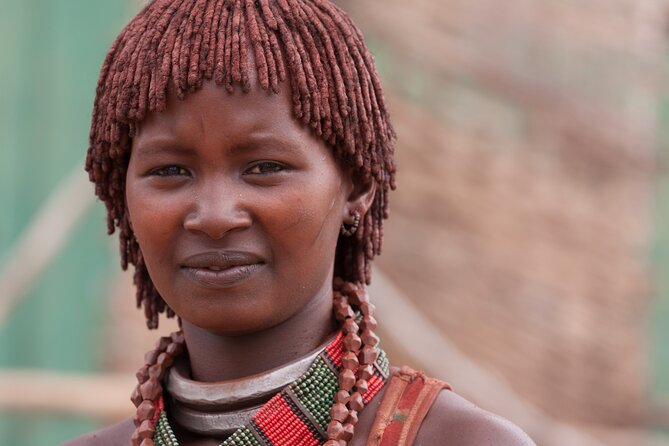
At $830 per person, the tour is not a basic transport-only outing. The price includes private transportation, an air-conditioned vehicle, four nights of accommodation, an English-speaking driver-guide, a professional guide, taxes, and listed admissions.
The included entries cover Dassenech, Hamer, Dorze, Konso, Karo, Nyangatom, Mursi, and Ari villages, plus Dimeka and Keyafer markets. That is a substantial amount of access and coordination across a complicated route.
The price also includes the flight to Arbaminch according to the itinerary, though you should confirm exactly how the flight is handled and what baggage rules apply. The supplied information does not list meals, drinks, tips, personal purchases, or other extras, and the not-included section simply says items outside the inclusion list are excluded.
That makes the value reasonable for someone who wants a managed trip with a small group and a wide cultural range. It is less attractive if you plan to arrange every hotel and road transfer yourself, or if you want to stay several nights in one place.
Group discounts may improve the price for parties booking together. The maximum group size is 13, which is small enough to be more workable than a large coach, though it is not a private trip for one or two people unless you arrange that separately.
Guides, Transport, and the Human Side of the Tour
The company is GishAbay Ethiopia Tours. Names connected with its guiding and management include Henok, also written as Enock in the supplied comments, Yenew, and a guide named Ach in a French-language account. Because staff assignments can change, ask who will lead your particular departure.
That question is worth asking because guide quality matters greatly here. The route involves language, cultural interpretation, local access, market timing, and respectful interaction. Past praise centers on warm service, careful organization, and guides who explain details clearly. One short Addis stopover was especially praised for Henok’s explanations and for arranging a local home visit with injera, though that was a different experience and should not be assumed to be part of this Omo Valley program.
Transport is private and air-conditioned. This is a practical advantage, not a luxury detail. Southern Ethiopia’s distances make road comfort important, and private transport gives the guide more control over the day than a public bus would.
Accommodation is included for four nights, but the property names and room standards are not specified. If you care about location, Wi-Fi, private bathrooms, or lodge style, ask before booking. Some past service comments praise the lodges used on longer trips, but that does not identify the hotels for this five-day route.
What I Like Most, and What Gives Me Pause
I like the route’s variety. In only five days, you get a mountain village, a lake safari, markets, museum context, and multiple communities in the Omo Valley. That is a strong introduction for someone with limited time in Ethiopia.
I also like the practical structure. Admissions and transport are handled, the group is capped at 13, and pickup is offered. A professional driver-guide can make a major difference when the route includes remote villages and several long transfers.
The concern is the amount of ground covered. The itinerary moves from Arbaminch to Turmi, then through Karo, Nyangatom, Hamer, Omorate, and Jinka. You will see a lot, but you may not get long, unhurried periods in any one place.
Cultural tourism also requires care. Paint, scarification, jewelry, and dress are meaningful expressions, not props. Follow your guide’s instructions about photographs, ask permission, and remember that a village visit is an encounter with people living their lives.
Who Should Book This Omo Valley Trip?
I would choose this tour if you have five days, want a broad introduction to southern Ethiopia, and prefer a planned route over arranging remote transport yourself. It suits visitors who enjoy cultural encounters, changing scenery, markets, and a full schedule.
It is also a good fit for a small group of friends or family members, especially if a group discount is available. The private vehicle and 13-person maximum should make the experience more manageable than a large packaged coach tour.
I would hesitate if your priority is a slow, single-community stay, guaranteed ceremonies, or a detailed wildlife safari. The trip includes one boat safari, but its main focus is cultural travel, not a dedicated animal-watching program.
Because the final day and Mursi timing need clarification, I would request the complete day-by-day plan before booking. Also confirm the guide’s name, the hotel details, what meals cost, and the exact flight arrangements.
Booking and Cancellation Details
Pickup is offered, confirmation is sent at booking, and service animals are allowed. The activity is near public transportation, and most people can participate, though the schedule includes long drives and repeated village visits.
You can cancel up to 24 hours before the local start time for a full refund. Changes made less than 24 hours before departure are not accepted, and late cancellations are not refunded. The tour depends on good weather and a minimum number of participants. If the operator cancels for either reason, you are offered another date or experience, or a full refund.
FAQ
How long is the Omo Valley tour?
The experience lasts approximately five days and includes four nights of accommodation.
Where does the tour begin?
The tour is based in Addis Ababa, Ethiopia, and pickup is offered.
Does the tour include a flight?
The itinerary begins with a flight from Addis Ababa to Arbaminch. Confirm the precise flight arrangements and baggage details before departure.
Which communities can I visit?
The program includes visits connected with the Dorze, Konso, Karo, Nyangatom, Hamer, Dassenech, Ari, and Mursi communities.
Are market visits included?
Yes. Dimeka and Keyafer markets are included. Keyafer is scheduled for Thursdays, and Dimeka for Saturdays.
Is Lake Chamo part of the tour?
Yes. Day two includes a boat safari on Lake Chamo.
What is included in the $830 price?
The price includes private transportation, an air-conditioned vehicle, taxes and fees, four nights of accommodation, an English-speaking driver-guide, a professional guide, and the listed village and market admissions.
How many people can join the tour?
The maximum group size is 13 people. Group discounts are available.
Should You Book It?
Book this trip if you want to see a wide slice of southern Ethiopia in a short period, with transport, lodging, guides, and admissions arranged for you. Its strongest points are the cultural range, the Dorze and Lake Chamo opening, the market timing, and the practical support of a small organized group.
Before paying, get clarification on the Mursi visit, the full fifth-day schedule, hotel names, meals, and the flight details. If you are comfortable with long drives and a fast pace, $830 offers a useful and well-supported introduction to the Omo Valley. If you want more time with each community, look for a longer private itinerary instead.
More 5-Day Experiences in Addis Ababa
- 5 DAYS Lalibela, Axum, Tigray churches and Danakil
★ 5.0 · 34 reviews - Danakil Depression and Lalibela 5 Days Tours
★ 5.0 · 28 reviews - 5 Days North Ethiopia Tours
★ 5.0 · 23 reviews - 5 DAYS Axum, Lalibela, Tigray churches and Danakil
★ 4.5 · 22 reviews
Just added around Addis Ababa
- Yod Abyssinia Cultural Night: Dinner, Music, and Dance★ 5.0 · 7 reviews
- Stunning Views Wonchi Crater Lake a Private Day Trip★ 5.0 · 3 reviews
- Locally crafted beer and wine tasting and nightlife in Addis tour★ 5.0 · 6 reviews
- Two days Lake Wenchi and Menagesha Forest★ 5.0 · 3 reviews
- 3-Day Cultural Tour in South Omo Valley★ 5.0 · 4 reviews
- Addis Ababa City Tours Full-Day Tours★ 5.0 · 5 reviews
- Day Trip to Tiya UNESCO Site & Melka Kunture Archaeological Site★ 4.5 · 3 reviews
- Tribes of the Ethiopian Omo Valley – 9 Day Tour★ 5.0 · 5 reviews
Omo Valley Tribal Tours, compared.

6 Days Omo Valley Tribes Tours From Addis Ababa
Read our review →
Lalibela, Axum, Danakil and Omo Valley 8 DAYS
Read our review →

3 days around Arbaminch and Konso Adventure Tours Life Time
Read our review →Danakil Depression, Lalibela, Omo Valley and Simien Mountains
Read our review →


Browse the lists this tour appears in