
Reviewed · OMO VALLEY TRIBAL TOURS
Ethiopian Fasika with North And South Omo Valley Tour Packages
Ethiopian Fasika is not simply a holiday stop on a sightseeing trip. It is the payoff to a 55-day fast, a solemn week of prayer, and a major celebration that brings Lalibela’s rock-hewn churches to life. You then cross the country, from Axum and Gondar to the Omo Valley, where encounters with Hamer, Dassanech, Mursi, Ari, Benna, and Tsemay communities add a very different human dimension.
I like the route’s north-to-south variety and the fact that meals, hotels, private transport, and airport pickup are built in. I also like the practical cultural access, including the Easter market, an evening ceremony at Bete Medhanialem, pottery and weaving in Ari villages, a coffee ceremony, and a final Ethiopian dinner with music and dance.
The main caution is the pace. Long road sections, early starts, rougher southern routes, and a moderate fitness requirement make this better for an active, curious visitor than someone wanting a relaxed holiday. Also, the advertised duration says approximately 15 days, while the day-by-day schedule provided runs through Day 13, so confirm the exact calendar before paying.
Key points at a glance
- Easter night in Lalibela: Attend an important Fasika ceremony at Bete Medhanialem after seeing the Easter market.
- A north-to-south sweep: Combine Lalibela, Axum, Simien, Gondar, Bahir Dar, Awassa, and the Omo Valley in one trip.
- Omo Valley communities: Visit Hamer, Dassanech, Mursi, Ari, Benna, and Tsemay areas, with pottery and weaving included.
- Private touring: Only your group participates, with pickup from Bole Airport and a multilingual guide possible.
- Included value: Accommodation, breakfast, buffet lunch, and buffet dinner are included in the listed price of $1,371.91 per person.
- A demanding schedule: Expect many driving days and a moderate fitness level, with all-weather operation and formal dress requested.
Why Ethiopian Fasika changes the Lalibela experience
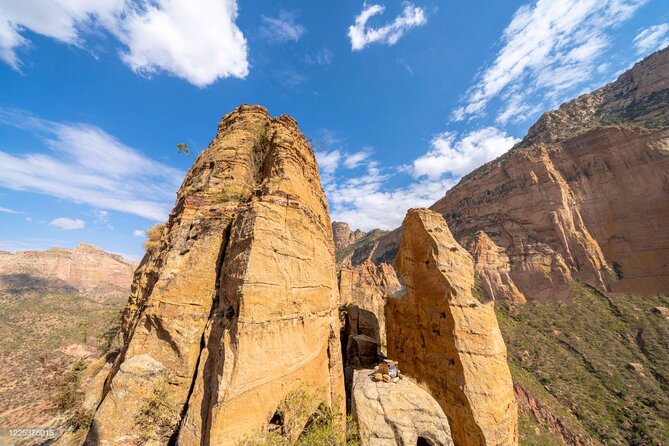
The strongest reason to choose this trip is its timing. Ethiopian Easter, called Fasika, follows a 55-day period during which observant Ethiopian Orthodox Christians avoid meat, milk, and eggs. The week before Easter, known as HeMamat, is especially serious. It recalls the suffering of Jesus, and worshippers observe it with restraint rather than ordinary social cheer.
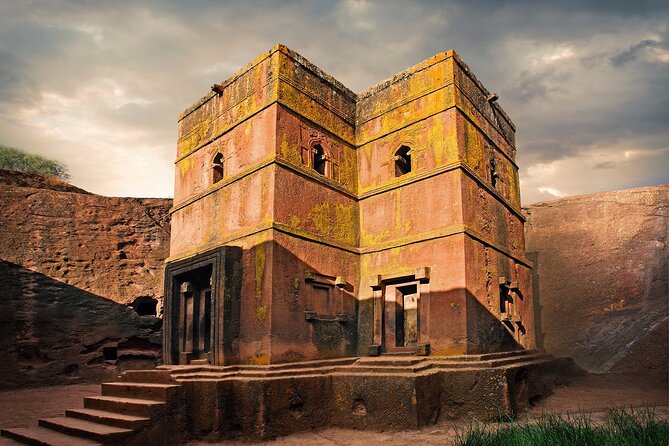
You will see the festival in two stages. First comes the Easter market in Lalibela, where the atmosphere is more colorful and public. Then, in the evening, you attend an important ceremony at Bete Medhanialem, one of the largest of Lalibela’s rock-hewn churches.
This is a meaningful setting for Easter, not a decorative backdrop. Keep your voice low, dress formally, and follow the lead of your guide and local worshippers. The formal dress instruction matters here. It is also sensible at churches and religious services elsewhere on the route.
A week after Easter comes Dagme Tinsae, a celebration connected with the ascension of Jesus to heaven. The trip description presents it as another major festival, so ask the operator how your exact dates line up with the ceremony and public events. The schedule may place you in Ethiopia during part of this period, but it does not spell out a separate Dagme Tinsae event.
More Omo Valley Tribal Tours in Addis Ababa
- 6 Days Omo Valley Tribes Tours From Addis Ababa
★ 5.0 · 33 reviews - 3 Days Omo Valley Tour
★ 5.0 · 24 reviews - Danakil Depression, Lalibela, Omo Valley and Simien Mountains
★ 5.0 · 23 reviews
Day 1: A gentle arrival in Addis Ababa
Your tour begins at Bole Airport at 7:00 a.m. The transfer to your hotel is described as roughly 10 minutes, which gives you a quick start without a long first-day drive.
The opening day is mainly about arrival and settling in. That is welcome on a trip with several early departures ahead. Since the experience operates in all weather, pack clothing that can handle changing conditions rather than relying on one polished outfit.
The operator offers a private tour, so your group is not combined with strangers. A multilingual guide may lead the trip. Amanuel is associated with organizing the Ethiopia journeys, but confirm who will personally guide your departure.
Days 2 and 3: Lalibela, churches and Easter ceremony
The route moves from Addis Ababa to Lalibela on Day 2. The schedule does not specify the transport method or sightseeing for this day, so confirm whether this leg is by road, air, or a combination before booking. That detail has a major effect on comfort and timing.
Day 3 is the first major highlight. You visit more of the churches connected with King Lalibela, then head to the annual Easter market. Lalibela’s churches are cut from living rock, and the experience is strongest when you take time to understand how worship continues in these spaces rather than treating them as old monuments.
The evening service at Bete Medhanialem is the emotional center of the northern section. You are there to observe an active religious ceremony, not a staged performance. Expect a serious mood during the Easter vigil, and follow instructions about where to stand, when photography is acceptable, and how to move around worshippers.
The hotel is included, as are the listed meals. Vegetarian food can be arranged if you request it at booking. Because the tour description says breakfast, buffet lunch, and buffet dinner are included, ask whether every meal is served as a buffet on every day or only at selected hotels.
Day 4: Axum and its mysterious monoliths
Day 4 takes you to Axum, known here for its monoliths. The stop adds an ancient city to the route and keeps the trip from becoming only a church and festival journey.
The schedule gives no exact sightseeing list beyond the monoliths, so ask what is included in Axum and how much free time you have. The same question applies to transport. A long transfer followed by a short visit can feel rushed, especially after the late Easter ceremony in Lalibela.
Still, the change of setting is useful. Lalibela centers on sacred stone churches; Axum shifts your attention to monumental stonework and Ethiopia’s earlier royal past. That contrast helps you see the country as more than one historic region.
Same country, a very different kind of day:
- Full Day Tour of Addis Ababa with Hotel Pickup and Drop-off
★ 5.0 · 430 reviews - Taste of Ethiopia
★ 5.0 · 406 reviews - Day Trip From Addis Ababa See Historical Monastery,Stunning Nature,Animals,Birds
★ 5.0 · 303 reviews - Addis Ababa: Debre Libanos, Blue Nile Gorge, and Cave Tour
★ 4.5 · 256 reviews
Days 5 and 6: Simien Mountain views and Gondar’s royal past
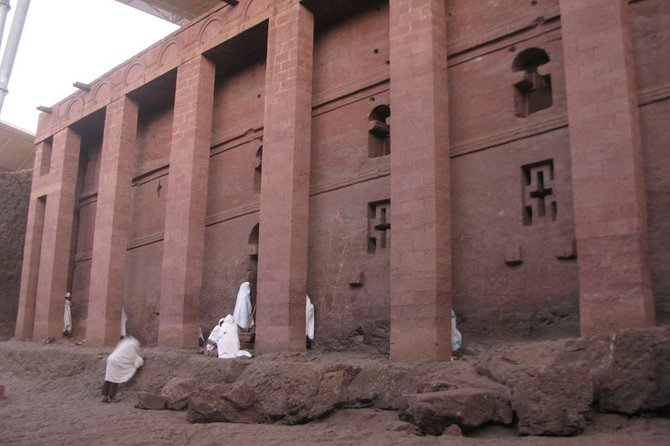
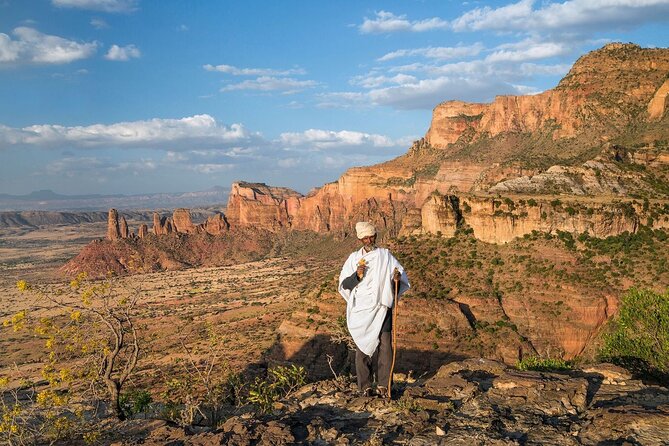
On Day 5, you continue toward the Simien Mountains. The supplied schedule offers no detailed activity list for the mountain section, so do not assume that a trek, wildlife walk, or particular viewpoint is included. Ask how much time is spent in the park and whether any walking is planned.
You should be ready for uneven ground and changing weather. The tour asks for moderate physical fitness and operates in all conditions. That does not necessarily mean strenuous hiking, but you should be comfortable with walking at elevation and managing a full sightseeing day.
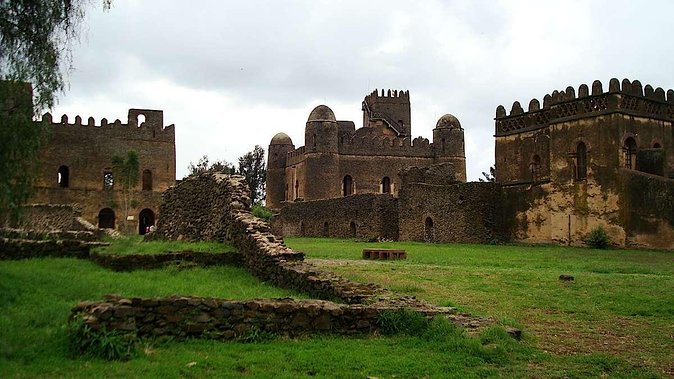
Day 6 takes you from Debarq to Gondar, described as the Camelot of Africa. Gondar gives the northern route another change of mood, with royal and architectural sights rather than only religious buildings. Overnight accommodation is included in Gondar.
This is one of the itinerary’s weaker points for detail. The schedule names Gondar but does not list the specific sites or length of visits. Before booking, ask if the tour includes the city’s main attractions, how long you have there, and whether entrance fees are covered.
Day 7: Bahir Dar to Addis Ababa needs clarification
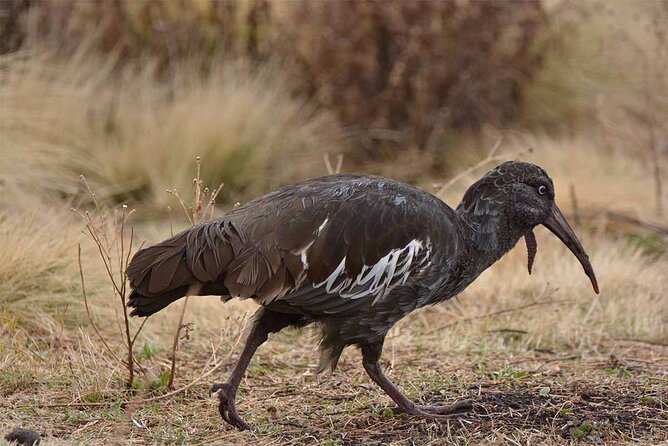
Day 7 is listed as Bahir Dar to Addis Ababa, but the schedule does not explain how you reach Bahir Dar from Gondar or what happens in Bahir Dar. That gap is worth resolving with the operator.
The route may be designed as a quick connection rather than a full Bahir Dar visit. If you want to see more of the city, ask whether the Blue Nile area, Lake Tana, or another attraction is planned. Do not count on those activities unless they are confirmed.
This is a good example of why the trip needs a little advance checking. The overall route is attractive, but some days are compressed into place names rather than clear touring plans.
Days 8 and 9: Awassa and Arba Minch
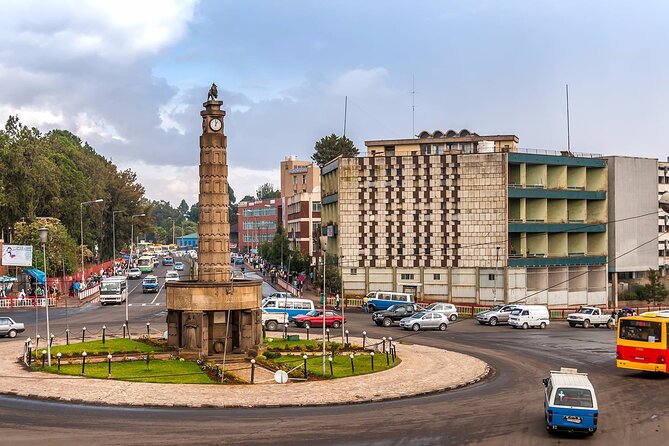
The next section turns south. Day 8 runs from Addis Ababa to Awassa, and Day 9 continues from Awassa to Arba Minch.
These days are mainly valuable for the change in scenery and the transition toward the Omo Valley. The supplied plan does not specify excursions in Awassa, so ask whether the overnight stop includes a particular activity or simply breaks up the long journey.
Arba Minch is the base for the next day’s park and lake visit. Again, the schedule makes the route clear but gives few timing details. You will get more from the trip if you accept that some days are transport-heavy and focus your energy on the major stops rather than expecting a full program at every overnight town.
Day 10: Lake Chamo, Konso and the road to Turmi
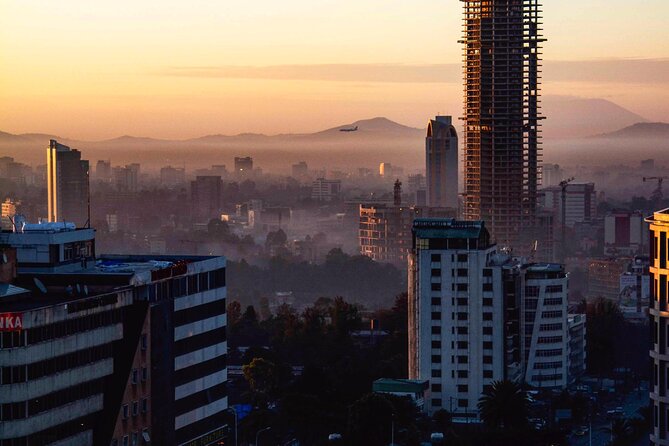
Day 10 begins with a safari at Lake Chamo and Nech Sar National Parks. The plan then sends you through Konso toward Turmi, with visits or sightings connected to Benna and Tsemay communities along the way.
Lake Chamo and Nech Sar bring nature into a trip otherwise dominated by churches, towns, and cultural visits. The word safari appears in the schedule, but the exact vehicle, duration, wildlife focus, and park fees are not stated. Ask those questions before departure.
The drive to Turmi is a substantial southbound transfer. Roads and timing can make this a tiring day, so carry water, sun protection, and a light layer. The route is worth it for the cultural shift, but you should not expect the convenience of northern city touring.
In Turmi, the plan includes a visit connected with the Hamer community and an overnight at Turmi Lodge. This is among the most distinctive sections of the trip. Approach the visit with patience and respect. You are seeing living communities, not a museum display. Ask before taking photographs, and listen when the guide explains local customs.
Day 11: Dassanech near Omorate and the Mursi village
Day 11 is one of the most packed. You travel to Omorate to visit the Dassanech people, described as people of the Delta, who live on the northern shore of Lake Turkana. After lunch, you drive back toward Jinka and continue to a Mursi village before returning to Jinka for the night.
The Dassanech and Mursi visits are not interchangeable. They represent separate communities and different parts of the Omo Valley, which is why this day offers such strong cultural variety. It is also why the schedule may feel rushed.
You should ask how much time is allowed at each village and how local visits are arranged. The description promises visits, but it does not specify whether community fees, photography fees, or local escorts are included. Clarifying this helps prevent awkward negotiations on the road.
Overnight accommodation is listed at a Jinka resort. That gives you a fixed base after a long day, but the return from Mursi territory may still be late depending on road conditions and visit length.
Day 12: Ari pottery and weaving near Jinka
The early start on Day 12 takes you to Ari villages, where you can see pottery-making and weaving. This is a particularly good inclusion because it focuses on everyday skills rather than only ceremonial or photographic encounters.
Watch how the guide frames the visit. Craft demonstrations are most useful when you understand who makes the goods, how they are used, and whether purchases support the makers directly. The supplied information does not say that shopping is included, so treat any purchase as optional and ask about prices clearly.
After the Ari visit, you drive to Welayta Sodo for dinner and an overnight stay. This is another long transfer day, and you should expect the journey itself to take a large share of the schedule.
Day 13: Tiya, Adadi Maryam and a final Ethiopian evening
The final listed touring day begins with the drive from Welayta Sodo to Addis Ababa. On the way, you visit the UNESCO site of Tiya, known for its carved stelae, then continue to Adadi Maryam, a rock-hewn church associated with St. Lalibela.
The two sites provide a fitting final look at Ethiopia’s stone traditions. Tiya is connected with carved standing stones, while Adadi Maryam returns you to the country’s Christian rock churches. The pairing also gives you a final chance to compare northern and southern sacred architecture.
In Addis Ababa, the evening includes a folkloric dinner with national dishes, dances from several ethnic groups, and a traditional coffee ceremony. Alcoholic drinks are not included but can be purchased. This dinner is designed as a broad cultural finale, so expect a staged evening presentation rather than a quiet local meal.
The schedule then says you are transferred to the airport for departure. Because the tour is advertised as approximately 15 days but the provided daily plan ends on Day 13, confirm whether two additional nights or travel days are missing from the written program.
What the $1,371.91 price really covers
At $1,371.91 per person, the value depends on how much private transport and accommodation are included in the final confirmation. The price includes lodging according to the schedule, breakfast, buffet lunch, and buffet dinner. Pickup is offered, and the activity is private, which are useful inclusions on a complicated route.
You are also paying for the coordination of a large geographic arc. Organizing Lalibela, Axum, Simien, Gondar, Bahir Dar, Awassa, Arba Minch, Turmi, Omorate, Jinka, Welayta Sodo, Tiya, and Adadi Maryam independently would require careful timing and multiple local arrangements.
The price does not include departure tax. Alcoholic drinks are extra. The description does not state whether park entrance, church admission, village fees, domestic flights, tips, or photographic charges are included, so ask for a written list of exclusions.
The child rate applies only when a child shares with two paying adults. Dietary needs, including vegetarian meals, should be given at booking.
Who will enjoy this route most
I would recommend this trip to you if you want Ethiopia’s major cultural regions in one organized journey and you are willing to trade comfort for breadth. It suits an active pair, family group, or small private party that wants a guide and driver rather than a self-planned road trip.
It is especially well matched to someone interested in Ethiopian Orthodox Christianity, religious festivals, historic churches, traditional crafts, and ethnic diversity. The combination of Fasika in Lalibela and Omo Valley communities is the route’s greatest strength.
I would be more cautious if you dislike long drives, need a slow pace, or want precise daily timing. Several days have little detail beyond the start and end towns. Confirm the transport plan, hotel names, entrance fees, village arrangements, exact festival dates, and the real number of days before committing.
The tour requires moderate physical fitness and runs in all weather. Pack modest, formal clothing for church visits, comfortable walking shoes, weather protection, and a small bag for long road sections.
Booking, cancellation and meeting details
Confirmation is received at booking. The tour begins at Bole Airport in Addis Ababa at 7:00 a.m., and airport pickup is offered.
Free cancellation is available if you cancel at least 24 hours before the experience begins. Cancellations or changes made inside that 24-hour window are not refunded or accepted. The experience requires a minimum number of participants, and if that minimum is not reached, you are offered another date or experience, or a full refund.
Show availability cannot be checked before booking. Credit cards are charged only after show availability is confirmed. This matters mainly for the folkloric dinner or any scheduled performance connected with the program.
Should you book the Ethiopian Fasika and Omo Valley tour?
Book it if your priority is range. You get a rare pairing: a major Ethiopian Orthodox Easter ceremony in Lalibela, northern churches and monoliths, mountain country, Gondar, southern parks, and several Omo Valley communities.
Do not book it without clarification if the missing schedule details concern you. The most important questions are the actual duration, transport between major regions, inclusions at parks and villages, the identity of your guide, and how the Easter and Dagme Tinsae dates match your departure.
For the right person, this is a powerful, demanding introduction to Ethiopia. It is less a restful holiday than a carefully organized cultural road journey, with its best moments coming from the contrast between a solemn Lalibela vigil, practical village crafts, open-road transitions, and the many distinct communities encountered in the south.
FAQ
Where does the tour start?
The tour starts at Bole Airport in Addis Ababa, Ethiopia, at 7:00 a.m.
How long is the tour?
The experience is advertised as approximately 15 days. However, the supplied day-by-day schedule runs from Day 1 through Day 13, so confirm the exact duration with the operator.
Is airport pickup available?
Yes. Pickup is offered, and the first transfer from Addis Ababa airport to the hotel is described as about 10 minutes.
Is this a private tour?
Yes. Only your group participates in the private tour or activity.
What meals are included?
Accommodation, breakfast, buffet lunch, and buffet dinner are included according to the tour information.
Are vegetarian meals available?
Yes. A vegetarian option is available, but you should advise the operator of this dietary requirement when booking.
Are alcoholic drinks included?
No. Alcoholic drinks are available to purchase separately.
What level of fitness is required?
The tour requires a moderate level of physical fitness. It operates in all weather, so you should dress appropriately for changing conditions.
What is the cancellation policy?
You can cancel for a full refund up to 24 hours before the experience starts. Cancellations or changes made less than 24 hours before the start time are not accepted, and the amount paid is not refunded.
Just added around Addis Ababa
- Yod Abyssinia Cultural Night: Dinner, Music, and Dance★ 5.0 · 7 reviews
- Stunning Views Wonchi Crater Lake a Private Day Trip★ 5.0 · 3 reviews
- Locally crafted beer and wine tasting and nightlife in Addis tour★ 5.0 · 6 reviews
- Two days Lake Wenchi and Menagesha Forest★ 5.0 · 3 reviews
- 3-Day Cultural Tour in South Omo Valley★ 5.0 · 4 reviews
- Addis Ababa City Tours Full-Day Tours★ 5.0 · 5 reviews
- Tribes of the Ethiopian Omo Valley – 9 Day Tour★ 5.0 · 5 reviews
- South Omo Valley Tribes 8 Days Tour Package★ 5.0 · 4 reviews
Omo Valley Tribal Tours, compared.

6 Days Omo Valley Tribes Tours From Addis Ababa
Read our review →
Lalibela, Axum, Danakil and Omo Valley 8 DAYS
Read our review →

3 days around Arbaminch and Konso Adventure Tours Life Time
Read our review →Danakil Depression, Lalibela, Omo Valley and Simien Mountains
Read our review →


Browse the lists this tour appears in