
Reviewed · DANAKIL DEPRESSION TOURS
3-Day Danakil Depression A Journey into Earth’s Fiery Heart
The Danakil Depression is not a gentle sightseeing trip. It is a hot, remote journey through salt flats, sulfur springs, lava fields, and one of the few places where you can watch an active lava lake glowing after dark. I like the rare mix of geology and living Afar culture, especially the camel caravans crossing the salt country.
I also like the practical setup: a small group capped at 12, 4×4 transport, meals, camping gear, an English-speaking guide, and a local scout. The main drawback is comfort. Open-air camping, limited washing facilities, intense heat, and rough road travel are part of the deal, not minor footnotes.
Key points at a glance

- Lake Afdera offers a warm salt-lake swim: A welcome break after the drive from Semera, followed by lunch beside the water.
- Lake Asale turns golden at sunset: The flat salt crust catches the last light and creates one of the trip’s best photo settings.
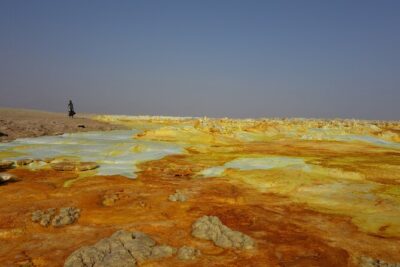
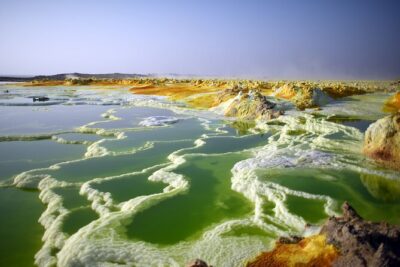
- Dallol looks almost unreal: Sulfur springs, mineral colors, and bubbling ground make this a memorable geological stop.
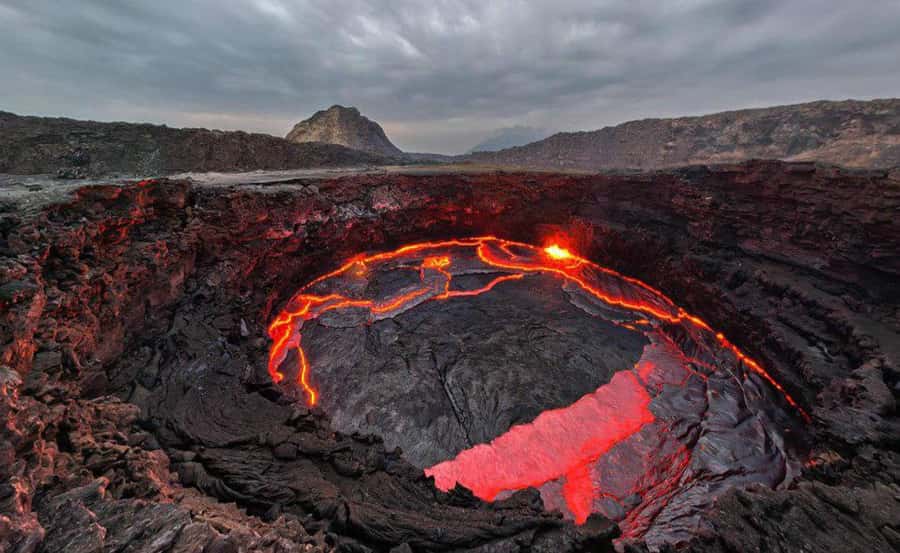
- Erta Ale requires a night hike: The trek takes about one hour, with a camp near the volcano and a chance to see molten lava glowing in the crater.
- You travel with an English-speaking guide and local scout: The group is limited to 12 people, though the level of explanation can vary.
- The $360 price covers the ground package: Flights from Addis Ababa, personal costs, and Addis hotels or meals are extra.
Why the Danakil Depression feels so different

Many desert trips offer wide views and empty space. Danakil offers something more forceful. The ground itself seems active, colored by sulfur, salt, heat, and old lava. At Dallol, yellow, green, orange, and white mineral deposits gather around hot springs and hydrothermal fields. At Erta Ale, the experience shifts from bright daytime color to the red glow of molten rock at night.
The region is also home to the Afar people, and the salt trade remains part of daily life. Seeing camel caravans carry salt gives the trip a human side that a quick geological excursion would miss. You are not simply taking pictures of strange ground. You are passing through a remote region where transport, work, and tradition are closely tied to the desert.
That remoteness shapes the entire experience. Roads can be rough, facilities are basic, and the heat can drain you faster than expected. You need patience and a willingness to accept changes in pace. In return, you get scenery that feels unlike almost anywhere else in Ethiopia.
More Danakil Depression Tours in Addis Ababa
- 12 Days SIMIEN MOUNTAIN-LALIBELA-DANAKIL-TIGRAY CHURCHES
★ 5.0 · 45 reviews - 3 Day Danakil Depression Ertale and Dallol Tours
★ 5.0 · 44 reviews - 5 DAYS Lalibela, Axum, Tigray churches and Danakil
★ 5.0 · 34 reviews
Day 1: From Semera to Lake Afdera
Your trip begins at Semera, also called Samara, Airport, officially Sultan Alimirah Hanfare Airport. You arrive there by domestic flight from Addis Ababa, which you arrange and pay for separately. The pickup is designed to be easy to spot: your guide and driver meet you with a welcome banner showing your full name.
From the airport, the trip moves into the Afar region by 4×4. This is the right vehicle for the job. The route crosses dry desert terrain and lava fields, and ordinary city transport would not suit the roads or distances involved. The drive is a major part of the experience, so do not think of the stops as the whole tour.
Lake Afdera is the first major pause. Its warm, salty water gives you a chance to cool off and loosen up after the drive. Swimming in a natural salt lake is also a useful reminder that this tour is not just a drive between landmarks. You are encouraged to interact with the setting, though you should follow your guide’s instructions around the water and heat.
Lunch is served beside the lake. The food is included, along with breakfast and dinner throughout the trip, bottled water, and hot drinks. Unlimited bottled water is listed as part of the package, but carry your own bottle and drink regularly. In this climate, waiting until you feel thirsty is poor planning.
After Lake Afdera, you continue to Hamed Ela, a remote village that serves as your base for the first night. The overnight stay is open-air camping. Expect mattresses and sleeping bags rather than a hotel room, along with very limited facilities. The charm is clear: you sleep under a huge sky in one of the least developed parts of the country. The tradeoff is privacy, comfort, and easy access to a bathroom.
In the evening, you visit the salt flats of Lake Asale. As the sun drops, the white salt surface takes on warm gold and pink tones. This is a slow, quiet stop, and it deserves more than a quick photograph. Bring a camera, but also take a few minutes to watch the light change across the flat ground.
Day 2: Dallol, salt caravans, and Erta Ale

Day two delivers the most unusual scenery. After breakfast, you travel toward Dallol, one of the hottest and lowest places on Earth. Conditions are severe, so your guide controls the timing and movement of the visit. You should wear light clothing, cover your head, use sunscreen, and keep drinking water.
Dallol is famous for its sulfur springs and mineral formations. The colors come from the interaction of heat, water, salt, and minerals. You will see bubbling hydrothermal areas and vivid deposits that look almost painted onto the ground. This is a place where sturdy shoes matter. The surface can be uneven, and you should not wander away from the group.
The color is not the only reason Dallol matters. It shows you geology in action. Instead of seeing a polished museum display, you are looking at chemical processes happening in the open air. That makes the stop more memorable, but it also makes safety important. The same heat and fumes that create the strange formations can make the area uncomfortable.
The day also includes a visit to the salt-trading area near Lake Assal, where camel caravans carry blocks of salt. This is one of the most valuable cultural moments on the trip. You see how people and animals move through terrain that looks almost impossible to cross. Be respectful with photography and follow local guidance around the caravans and villages.
After lunch and more desert driving, you cross lava fields toward Erta Ale. The road journey can be tiring, particularly after a hot morning at Dallol. You reach the volcano base in the afternoon, eat an early dinner, and prepare for the night walk.
The trek to the summit takes about one hour. The distance is manageable for people with moderate fitness, but the conditions make it harder than the number suggests. You may be walking over rough volcanic ground in darkness, so sturdy shoes and a headlamp or flashlight are essential. Keep your hands free where possible, and carry only what you need.
At the crater edge, you may see molten lava glowing below. The sight is powerful because it is both distant and immediate: a red, moving light inside a black volcanic crater. Conditions at an active volcano can change, so do not assume the view will look exactly like a photograph. The value is in reaching the site safely and seeing Earth’s heat at close range.
Camping near Erta Ale keeps the night simple. Sleeping bags and mattresses are provided, but the setting remains exposed and basic. This is not a comfortable base camp with showers and dining rooms. It is a place to rest after the hike, manage your expectations, and enjoy the rarity of being near an active volcano.
Day 3: Sunrise at Erta Ale and the return to Semera

The final morning begins early, with a chance to see Erta Ale at dawn. Morning light changes the crater and surrounding volcanic ground. The colors may be less dramatic than at night, but the view helps you understand the volcano’s scale and setting.
After breakfast, the return drive begins. You travel back toward Afdera and then continue on a paved road to Semera Airport. The paved section should make the last part of the journey easier, though the overall return still takes time. You have spent three days in very remote country, so fatigue is normal.
A farewell dinner is included before your departure preparations. Your return flight to Addis Ababa is not included in the $360 price. Plan your wider schedule carefully, since a remote desert trip followed by a flight leaves little room for a last-minute change.
Same country, a very different kind of day:
- Full Day Tour of Addis Ababa with Hotel Pickup and Drop-off
★ 5.0 · 430 reviews - Taste of Ethiopia
★ 5.0 · 406 reviews - Day Trip From Addis Ababa See Historical Monastery,Stunning Nature,Animals,Birds
★ 5.0 · 303 reviews - Addis Ababa: Debre Libanos, Blue Nile Gorge, and Cave Tour
★ 4.5 · 256 reviews
What the $360 really covers

At $360 per person, this is a strong price for the ground portion if you value convenience and access. The package includes 4×4 transport, all meals, bottled water, hot drinks, camping equipment, permits, entrance fees, taxes, and service charges. Organizing those pieces independently in a remote region would be difficult.
The price does not include domestic flights between Addis Ababa and Semera. It also excludes hotels and meals in Addis Ababa, personal expenses, and other items outside the three-day desert program. Add those costs before comparing the tour with a cheaper-looking option.
The value depends on your priorities. If you want a soft bed, private facilities, and a relaxed schedule, this is not a bargain because you will not enjoy the basic conditions. If you want access to Dallol and Erta Ale with transport, food, permits, and equipment arranged, the price is reasonable.
A group limit of 12 helps keep the trip manageable. It does not guarantee constant personal attention, though. One account described an early delay involving the guide and a vehicle, which created confusion. That is a useful reminder to keep your arrival day flexible and confirm the pickup arrangement before flying to Semera.
Guides, drivers, and the reality of remote travel

The tour uses an English-speaking guide, driver, and local scout. The strongest experiences depend on this team. A good guide can explain the sulfur formations, manage the heat, organize meals, and help the group move safely around the volcano.
The available information does not provide the guides’ names, so you should not expect a named guide guarantee when booking. Some participants received clear explanations and friendly help with photographs. Another account found the information limited and felt unsettled during an early problem with the vehicle and guide arrival.
That difference matters. In a remote area, communication is part of safety and comfort. Ask practical questions early: where the group is going next, how long the walk will take, when water breaks are planned, and what to do if you feel unwell. You should also stay close to the guide and scout, particularly around Dallol and Erta Ale.
The presence of local security is part of the setting, but it may feel unfamiliar to international visitors. Treat local people with respect, avoid confrontational behavior, and follow the instructions of the tour team. This is not a polished resort excursion. It is organized travel through a remote and culturally conservative region.
Camping, heat, and personal comfort

The biggest mistake would be packing for an ordinary three-day tour. Danakil requires preparation. Bring lightweight clothing, a sun hat, sunglasses, sunscreen, comfortable walking shoes, a headlamp or flashlight, and personal hygiene items. A camera is worthwhile, but protect it from dust and heat as much as you can.
There are no hotels in the Danakil region. Camps are open-air, and facilities are limited. One account specifically noted the lack of bathrooms along the route. You need to accept simple washing arrangements and plan your personal routine accordingly.
Moderate physical fitness is required. The Erta Ale walk is about one hour, but heat, darkness, rough volcanic ground, and accumulated fatigue make it demanding. You should also be comfortable spending long periods in a 4×4 and moving through dry desert conditions.
People with respiratory or heart conditions should speak with a doctor before booking. Medical access is limited, and comprehensive travel insurance with medical evacuation cover is strongly advised. This is practical protection, not needless caution.
Smoking is not allowed. Modest clothing is appropriate in the Afar region, particularly around villages and local communities. Respectful behavior, quiet observation, and asking before taking close photographs will help you move through the area well.
Who will enjoy this trip most

You should consider this tour if you enjoy unusual geology, remote roads, basic camping, and physically active days. It suits people who would rather see sulfur springs and lava than spend three nights in a comfortable hotel.
It is also a good fit if you want a small group rather than a large coach. A maximum of 12 participants gives you a better chance to hear the guide and move as a unit. You will still need to share the vehicle, campsite, and schedule.
This trip is not suited to wheelchair users, and it is a poor match for anyone who needs predictable facilities or low temperatures. The heat is not a minor inconvenience. It shapes your walking speed, appetite, sleep, and general mood.
The most successful attitude is flexible and practical. You may return dusty, tired, and short on sleep. You may also return with photographs and memories that would be impossible to collect on a standard Ethiopian sightseeing route.
Should you book the Danakil Depression tour?
Book it if Dallol’s mineral colors, Lake Asale’s salt flats, and Erta Ale’s night lava are high on your wish list. The included transport, meals, permits, water, and camping equipment make the $360 ground price attractive, especially for a remote route that would be hard to arrange alone.
Think twice if you need comfort, detailed guiding at every stop, or a smooth arrival with no chance of logistical confusion. Confirm your Semera pickup, keep your full name ready for the welcome banner, pack serious sun protection, and leave room in your schedule around the flights.
For the right person, this is a remarkable three days. It asks for endurance and patience, then rewards you with salt, fire, sulfur, and the stark daily life of the Afar region.
FAQ
Where does the tour begin and end?
The tour begins and ends in Semera at Samara Airport, also known as Sultan Alimirah Hanfare Airport. Airport pickup and drop-off are included.
Is the flight from Addis Ababa included?
No. The domestic flight from Addis Ababa to Semera and the return ticket are not included in the $360 price.
What accommodation is provided?
You stay in basic open-air camps at Hamed Ela and near Erta Ale Volcano. Mattresses and sleeping bags are provided, but there are no hotels in the Danakil region.
How difficult is the Erta Ale trek?
The trek from the Erta Ale base to the summit takes about one hour. Moderate physical fitness is required because of the heat, rough volcanic ground, and night conditions.
What meals and drinks are included?
Breakfast, lunch, and dinner are included for the three-day tour. Bottled water, including unlimited bottled water, and hot drinks are also provided.
Can I cancel the booking?
You can cancel up to 24 hours before the experience for a full refund. The reserve-now, pay-later option is also available.
More 3-Day Experiences in Addis Ababa
- 3 Days Dankile Depression group Tours
★ 5.0 · 40 reviews - 2-Night 3-Day Danakil Depression Tour without Flights
★ 4.8 · 31 reviews - Trekking at Bale Mountains 3 Days
★ 5.0 · 28 reviews - 3 Days Omo Valley Tour
★ 5.0 · 24 reviews
Just added around Addis Ababa
- Yod Abyssinia Cultural Night: Dinner, Music, and Dance★ 5.0 · 7 reviews
- Stunning Views Wonchi Crater Lake a Private Day Trip★ 5.0 · 3 reviews
- Locally crafted beer and wine tasting and nightlife in Addis tour★ 5.0 · 6 reviews
- Two days Lake Wenchi and Menagesha Forest★ 5.0 · 3 reviews
- 3-Day Cultural Tour in South Omo Valley★ 5.0 · 4 reviews
- Addis Ababa City Tours Full-Day Tours★ 5.0 · 5 reviews
- South Omo Valley Tribes 8 Days Tour Package★ 5.0 · 4 reviews
- Day Trip to Tiya UNESCO Site & Melka Kunture Archaeological Site★ 4.5 · 3 reviews
Danakil Depression Tours, compared.
12 Days SIMIEN MOUNTAIN-LALIBELA-DANAKIL-TIGRAY CHURCHES
Read our review →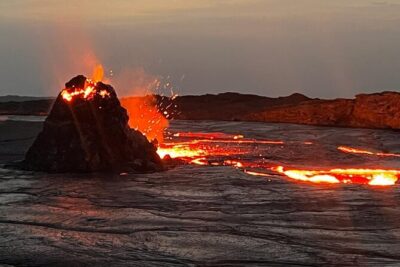
3 Day Danakil Depression Ertale and Dallol Tours
Read our review →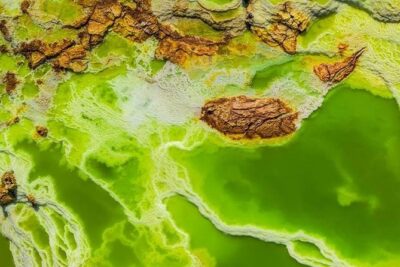
5 DAYS Lalibela, Axum, Tigray churches and Danakil
Read our review →
6 Days tour Package (Simien Mountains, Lalibela, and Danakil Depression)
Read our review →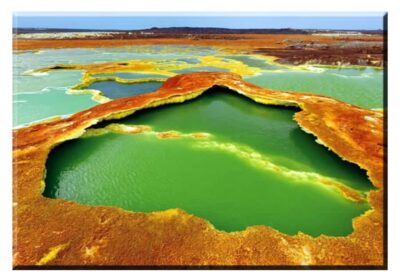
2-Night 3-Day Danakil Depression Tour without Flights
Read our review →
Lalibela, Axum, Danakil and Omo Valley 8 DAYS
Read our review →Browse the lists this tour appears in