

Reviewed · OMO VALLEY TRIBAL TOURS
7 Days Cultural Tours to Omo Valley
The heart of this seven-day journey is the Omo Valley, where each road stop brings you into contact with a different community, from the Dorze highlands to the Karo villages beside the Omo River. You will see weaving, terrace farming, body decoration, fishing, village construction, and daily customs that differ sharply from one valley to the next.
I like the mix of culture and scenery, especially the Dorze visit near Chencha and the Karo stop at Korcho. I also like that this is a private trip, so your group can travel at its own pace with an air-conditioned vehicle. The main drawback is the amount of time spent on the road. Several days involve five to eight hours of driving, and the schedule will feel demanding if you prefer slow travel.
Key points to know before booking
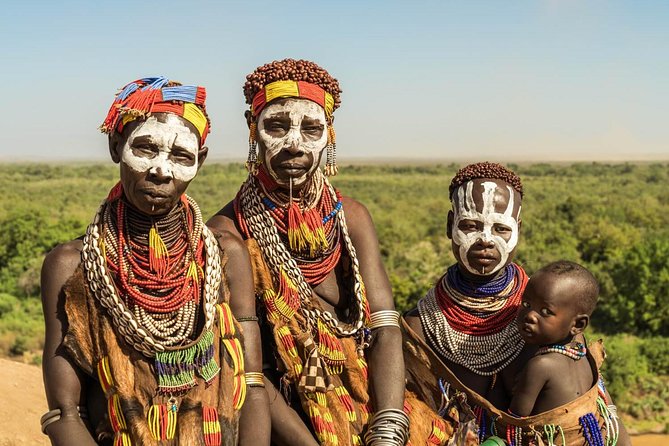
- Six southern Ethiopian communities in one week: Visit the Dorze, Konso, Mursi, Bena, Hamar, Karo, and Dassanech areas.
- Private transport from Addis Ababa: Your group travels in an air-conditioned vehicle rather than joining a larger departure.
- A full day for the Mursi visit: Drive into Mago National Park before continuing to Turmi.
- Konso terraces and UNESCO-listed cultural sites: See hillside farming systems, defensive structures, and distinctive wooden poles.
- Lake Chamo by boat: Look for large crocodiles, hippos, birds, and monkeys before continuing to Hawassa.
- A guide-led trip with local connections: Abebe is named in several provider responses, while one account refers to Desta, so confirm your guide before departure.
Why this Omo Valley route is worth your time
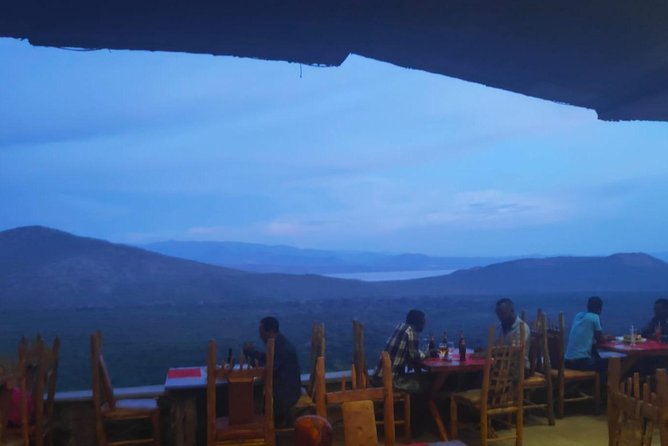
Southern Ethiopia rewards curiosity. This is not a trip built around one famous monument. Instead, its appeal comes from seeing how communities adapt to different climates, elevations, rivers, and ways of making a living.
The route begins in Addis Ababa and runs south through Arba Minch, Konso, Jinka, Turmi, and Hawassa. You move from mountain villages to dry lowland settlements, then back toward the Rift Valley lakes. That change in setting helps you understand why the cultures of southern Ethiopia are so varied.
I especially like the fact that the schedule includes both planned community visits and ordinary public places such as the Konso market and Hawassa Fish Market. Those stops give you more than a staged cultural display. They let you see how people trade, prepare food, build homes, farm, fish, and present their traditions.
Still, this is a packed route. You will cover long distances by road and change overnight bases several times. The private format helps, but you should arrive ready for early breakfasts, rougher stretches of travel, and days when the drive is almost as important as the destination.
More Omo Valley Tribal Tours in Addis Ababa
- 6 Days Omo Valley Tribes Tours From Addis Ababa
★ 5.0 · 33 reviews - 3 Days Omo Valley Tour
★ 5.0 · 24 reviews - Danakil Depression, Lalibela, Omo Valley and Simien Mountains
★ 5.0 · 23 reviews
Day 1: Addis Ababa to Arba Minch and the Dorze highlands
The first day is the longest drive, about eight hours, from Addis Ababa to Arba Minch. That sounds heavy, but the road is broken up by lunch and stops at scenic points for photographs.
Late in the afternoon, the route climbs toward Chencha to meet the Dorze people. The highland setting is important here. The Dorze are known for cotton weaving, and their craft appears in clothing, household items, fences, and other parts of daily life.
The most memorable feature is often the beehive-shaped bamboo hut. You can enter homes, learn how they are built, and see how space is used inside. The visit also covers food and drink made from banana trees and leaves, including the preparation process behind local alcohol.
This is a strong opening because it gives you time with a community rather than only a quick roadside photograph. You will see practical skills tied to home life and local materials. The tradeoff is timing: after a long drive, the climb to Chencha comes late in the day, so you may be tired before the cultural visit even begins.
You spend the night in Arba Minch.
Day 2: Konso terraces and the road to Jinka
Day two starts with a drive to a Konso village and its terrace system. The Konso area is recognized as a UNESCO site, and the terraces are the main reason. Hillsides have been shaped for farming, turning steep ground into usable agricultural land.
You will also see security structures, wooden constructions, and distinctive pole erections. These details are not isolated curiosities. Together, they show how the Konso have organized village life, protected settlements, and worked with difficult highland terrain.
A stop at a Konso market follows the village visit. This is a useful contrast to the more formal cultural explanation earlier in the day. You can watch local trade and get a sense of what people buy and sell in the area.
The drive to Jinka takes about five hours, including the village and market visits, lunch, and time on the road. It is less punishing than day one, but the schedule still leaves limited room for wandering on your own.
You spend the night in Jinka. This base is useful for the next morning’s trip into Mago National Park.
Day 3: Mago National Park and the Mursi community
The third day is one of the trip’s main cultural highlights. You drive into Mago National Park to visit the Mursi community, then continue toward Turmi in the afternoon.
The Mursi are widely known for the lip plates worn by some women after reaching maturity. This practice can be striking to see, but it is worth approaching the visit with care and respect. You are entering a living community, not a museum exhibit. Listen to your guide about local customs, ask before taking photographs, and remember that people are not props for a holiday album.
The drive takes about six hours in total. After the Mursi visit, you continue toward Turmi and stop in areas associated with the Bena and Hamar communities. That gives you a broad introduction to several groups in one day, but it also makes this a demanding schedule.
The description of this day encourages you to be well-rested, and that is sound advice. The morning begins early, the road into the park takes time, and the afternoon continues with more driving and visits. If you want long, quiet conversations at every stop, this route may feel too quick. If you want a first look at several distinct communities in a week, it makes good use of your time.
You spend the night in Turmi.
Same country, a very different kind of day:
- Full Day Tour of Addis Ababa with Hotel Pickup and Drop-off
★ 5.0 · 430 reviews - Taste of Ethiopia
★ 5.0 · 406 reviews - Day Trip From Addis Ababa See Historical Monastery,Stunning Nature,Animals,Birds
★ 5.0 · 303 reviews - Addis Ababa: Debre Libanos, Blue Nile Gorge, and Cave Tour
★ 4.5 · 256 reviews
Day 4: Karo body painting above the Omo River
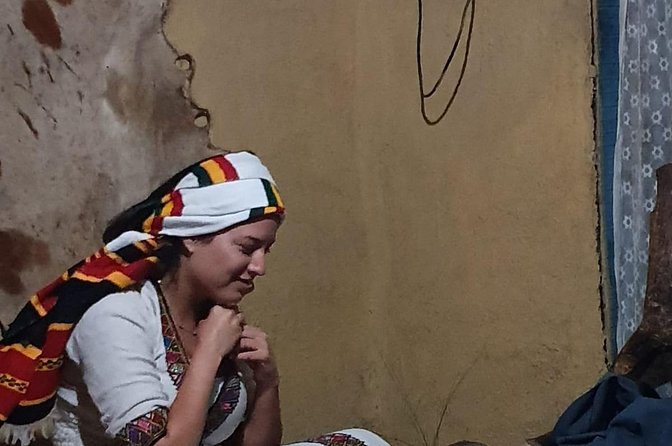
Day four is shorter on the road, with about five hours of driving. You head to Korcho, a Karo village set beside a panoramic view of the Omo River.
The Karo are known for face and body painting, along with elaborate body decoration. These designs are not just colorful additions for photographs. They are part of how people present themselves and express identity. Your guide can help explain the meaning and process behind what you see.
The setting adds a great deal to this stop. From the village, the Omo River gives the visit a strong sense of place. After several days of roads and changing settlements, this viewpoint offers a chance to slow down and take in the relationship between the community and the river.
The Karo population is described as one of the smallest among the Omo Valley groups. That makes respectful conduct especially important. Stay attentive to your guide’s advice about photography, personal space, and any payments connected with pictures or demonstrations. Specific arrangements are not provided in the tour details, so ask clearly before taking out your camera.
You return to Turmi for another night. Having two nights in the same base is helpful. It reduces packing and gives you a little breathing room after the previous day’s long route.
Day 5: The Dassanech near the Kenyan border
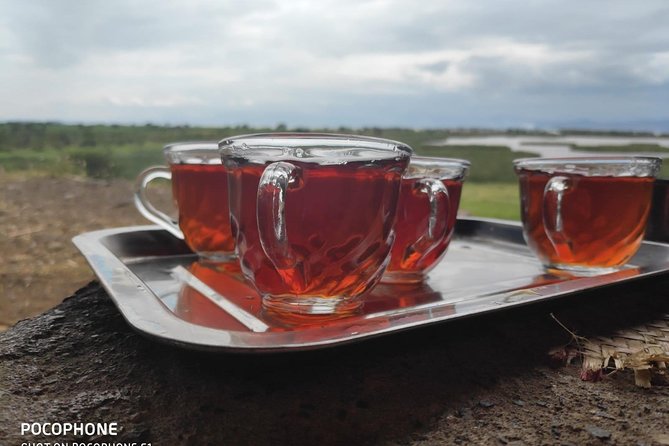
Day five takes you toward the Kenyan border to visit the Dassanech. The focus here is on hunting, farming, village construction, and the ways people organize life in a drier part of the Omo region.
You will visit a village and learn how its structures are put together. That practical focus is valuable. Instead of treating culture as a list of costumes and ceremonies, it shows how homes and settlement patterns respond to daily needs.
The Dassanech are also known for dancing, and the schedule allows for the possibility of seeing a dance. The wording matters: it is not guaranteed. Cultural performances depend on local circumstances, and you should treat any dance as a fortunate encounter rather than a promised show.
The day involves about six hours of driving before returning to Arba Minch. That is a major backtrack, and it is one of the route’s less efficient features. The benefit is access to a community that would be difficult to add to a shorter southern Ethiopia trip.
You spend the night in Arba Minch. For some people, this return journey will feel tiring. For others, the Dassanech visit will justify the extra road time.
Day 6: Lake Chamo crocodiles and Hawassa
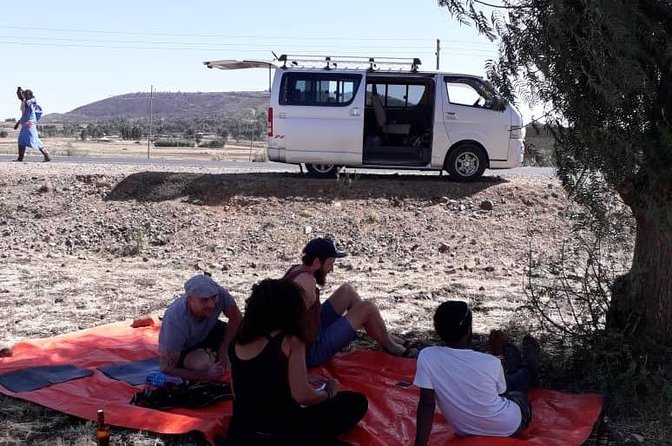
Day six changes the rhythm with a boat trip on Lake Chamo, described as Ethiopia’s second-biggest lake. The outing is intended to show you large crocodiles, hippos, birds, and monkeys.
This is a welcome break from village visits and road travel. You experience the lake from the water rather than simply viewing it from shore. The wildlife is the main draw, but sightings are never fully under your control, so treat the boat ride as a chance to explore the lake rather than a guaranteed wildlife count.
After the boat trip, you drive to Hawassa in the afternoon and walk along the shoreline of Hawassa Lake. The combined day takes about six hours, including the lake activity and road travel.
I like this change of pace. A seven-day cultural route could become repetitive if every stop involved the same kind of visit. Lake Chamo adds wildlife and open water, while Hawassa gives you a calmer evening walk.
You spend the night in Hawassa. This is one of the easier evenings on the route because the day ends with a shoreline walk rather than another community visit.
Day 7: Hawassa Fish Market and the return to Addis Ababa
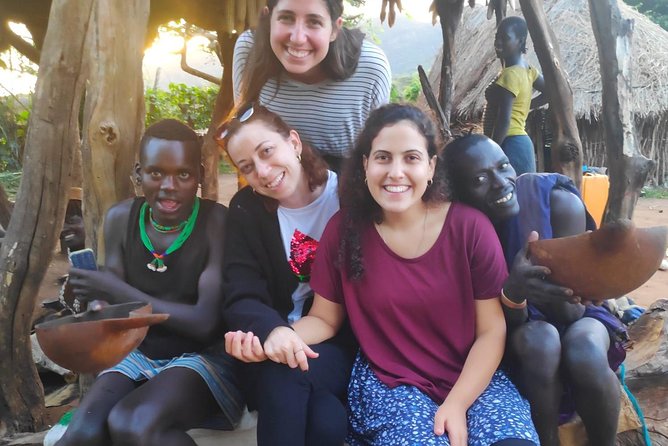
Your final morning begins at Hawassa’s Fish Market. This is not a polished attraction built only for sightseeing. You can watch local sellers handle and prepare fish, meet fishermen, and see a working food market.
For many people, this will be a fitting final stop. During the week, you have seen how communities farm, hunt, weave, build, decorate, and trade. The fish market adds another view of local work and food.
Afterward, you drive back to Addis Ababa, with lunch planned at a spot offering views of the lake. The final drive takes about five hours, so you should avoid scheduling an important flight too close to the tour’s stated return time. The tour ends with an overnight stay in Addis Ababa.
What the private vehicle adds
Private transportation is one of the strongest practical features here. You travel with your own group in an air-conditioned vehicle, rather than sharing every stop and decision with a large departure.
That matters on a route with frequent photo stops, changing road conditions, and long drives. You can ask to pause at scenic points, discuss how much time to spend at a market, and keep the group together without waiting for a large bus.
The private format does not make the route effortless. Five to eight hours in a vehicle remains a lot, and air conditioning does not change the distance. It does, however, make a demanding schedule more manageable.
The tour is described as suitable for most participants, and confirmation is provided at booking. No detailed mobility information is given, so you should ask the provider about vehicle access, walking conditions, and any specific needs before paying.
How much value do you get for $1,835?
The listed price is $1,835 per person. The clearest included benefits are private transportation and an air-conditioned vehicle, along with the guiding and visits described across the seven days.
The price makes the most sense if you value a private route through a difficult-to-organize region. You are not simply paying for a transfer from one town to another. The trip links several remote communities, Mago National Park, Lake Chamo, Hawassa, and the Konso site in one week.
You should check exactly what the price covers before departure. Accommodation, meals, boat costs, park charges, guide fees, and other entry or facility charges are not itemized in the supplied details. Landing and facility fees are specifically excluded, while the daily stops are marked as having no admission ticket charge. Ask for a written breakdown so you know what extra cash to carry.
The value is strongest for a first visit when your priority is access and coverage. If you are an experienced independent visitor who has already arranged transport in southern Ethiopia, you may find the package less compelling. If you want one company to handle a complex route, the private setup can justify the cost.
The guide matters on a people-focused trip
The provider’s responses identify Abebe, and one detailed account refers to Desta. Those names suggest a small, personal operation, but the information is not fully consistent. Confirm who your guide will be and whether local guides join you at particular communities.
That question matters more here than it would on a standard city tour. A good guide helps you understand what you are seeing, handles introductions, sets expectations about photography, and keeps cultural encounters respectful.
The strongest praise connected with the company focuses on personal attention, adapting to requests, using local guides, and avoiding overpriced tourist restaurants. Those are useful qualities for this route. Still, ask direct questions before booking: Who will lead the trip? Which local guides are included? What fees are paid locally? How much time is planned in each village?
Who should book this seven-day trip?
I would recommend it to you if you want a concentrated introduction to southern Ethiopia and prefer private transport. It suits people who are comfortable with early starts, long drives, basic road conditions, and a busy schedule.
It is also a good fit if your interests include living cultures, traditional architecture, farming systems, markets, wildlife, and photography. The route gives you more range than a trip focused only on one Omo Valley community.
I would hesitate to recommend it if you need a slow pace, dislike repeated long drives, or want guaranteed wildlife sightings and scheduled cultural performances. The route covers a lot, but that coverage comes at the cost of lingering time.
Free cancellation is available up to 24 hours before the experience begins. Poor weather can also lead to a different date or a full refund, according to the stated policy.
Should you book it?
Book this tour if you want a high-access, private introduction to the Omo Valley and accept that the road is part of the experience. The Dorze, Konso, Mursi, Karo, Dassanech, Lake Chamo, and Hawassa stops give you a wide sample of southern Ethiopia in only seven days.
Before booking, confirm the guide’s name, accommodation, meals, boat and park costs, and all excluded fees. If those details are clear and the pace suits you, this is a strong choice for seeing several distinct communities without arranging the route yourself.
FAQ
Where does the tour begin?
The tour begins in Addis Ababa, Ethiopia, with pickup offered.
How long does the experience last?
The experience lasts approximately seven days, ending with an overnight stay in Addis Ababa.
Is this a private tour?
Yes. Only your group participates in the activity.
What transportation is included?
Private transportation in an air-conditioned vehicle is included.
Which communities can I visit?
The route includes visits connected with the Dorze, Konso, Mursi, Bena, Hamar, Karo, and Dassanech communities.
Will the tour visit a UNESCO site?
Yes. Day two includes a visit to the Konso village and its terrace system, identified as a UNESCO site.
What wildlife may I see on Lake Chamo?
The boat trip is intended to show large crocodiles, hippos, several kinds of birds, and monkeys.
Are meals and accommodation included?
The supplied tour details do not clearly state whether meals or accommodation are included. Confirm these costs before booking.
What is the cancellation policy?
You can cancel up to 24 hours before the experience start time for a full refund. Cancellations or changes made less than 24 hours before the start are not accepted for a refund.
More 7-Day Experiences in Addis Ababa
- Omo Valley Cultural Tours 7 Days From Addis Ababa
★ 5.0 · 6 reviews - Simien Mountains National Park – 7 Day Trek
★ 5.0 · 5 reviews
Just added around Addis Ababa
- Yod Abyssinia Cultural Night: Dinner, Music, and Dance★ 5.0 · 7 reviews
- Stunning Views Wonchi Crater Lake a Private Day Trip★ 5.0 · 3 reviews
- Locally crafted beer and wine tasting and nightlife in Addis tour★ 5.0 · 6 reviews
- Two days Lake Wenchi and Menagesha Forest★ 5.0 · 3 reviews
- 3-Day Cultural Tour in South Omo Valley★ 5.0 · 4 reviews
- Addis Ababa City Tours Full-Day Tours★ 5.0 · 5 reviews
- South Omo Valley Tribes 8 Days Tour Package★ 5.0 · 4 reviews
- Day Trip to Tiya UNESCO Site & Melka Kunture Archaeological Site★ 4.5 · 3 reviews
Omo Valley Tribal Tours, compared.

6 Days Omo Valley Tribes Tours From Addis Ababa
Read our review →
Lalibela, Axum, Danakil and Omo Valley 8 DAYS
Read our review →

3 days around Arbaminch and Konso Adventure Tours Life Time
Read our review →Danakil Depression, Lalibela, Omo Valley and Simien Mountains
Read our review →


Browse the lists this tour appears in