
Reviewed · ETHIOPIAN COFFEE CEREMONIES
Ethiopian Culinary Tour – Market, Food, Coffee Ceremony & more
The best part of this Addis Ababa food tour is that you do not simply sit down to eat Ethiopian dishes. You see where the ingredients are sold, try making injera, visit historic cafés and hotels, and finish with a traditional coffee ceremony outside the city.
I like the mix of street life and sit-down food, especially the spice stalls at Merkato and the chance to eat the bread you make yourself. I also like the flexible guides. Zerefa, Abiy, Samuel, Seya, Emmanuel, and Desale have all been praised for clear English, local insight, and the ability to adjust the day.
The main consideration is pace. This is advertised as a full-day outing but usually lasts about five to six hours, with several stops packed into that time. Merkato can be crowded and hectic, and the route may change if you have already visited Tomoca or another scheduled stop.
Key points to know before booking
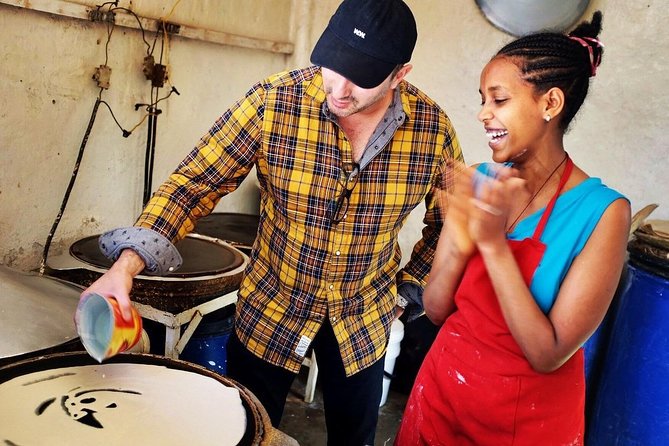
- Make your own injera: You learn the basic process from local women, then eat what you prepare.
- Walk through two major markets: Atkilt Tera focuses on produce, while Merkato brings you into Addis Ababa’s famous spice trade.
- Taste coffee at Tomoca: The stop includes a cup of coffee or macchiato and time to buy beans or ground coffee.
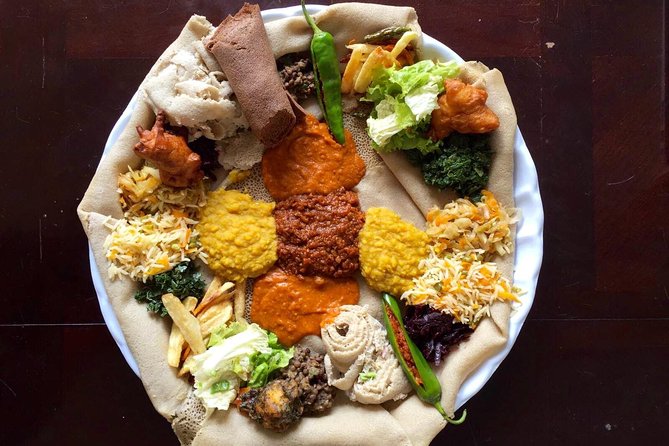
- Eat at historic Taitu Hotel: Lunch is served as an assortment of Ethiopian dishes in buffet form.
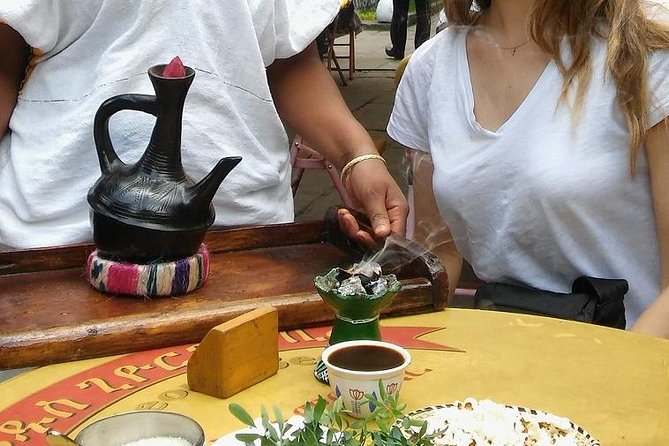
- Finish in Sululta: A full coffee ceremony includes washing and roasting the beans, followed by honey wine tasting.
- Useful for a short Addis stay: Hotel, house, or airport pickup and drop-off make this an easy way to cover several food stops in one outing.
Addis Ababa food culture, one stop at a time
Ethiopian food is best understood through its ingredients and customs, not just through a restaurant menu. This tour gives you both sides. You visit markets where spices and vegetables are sold, learn how injera is made, and then take part in coffee and honey wine traditions.
The route also gives you a quick look at several parts of Addis Ababa: Atkilt Tera, Merkato, Piassa, and the mountain setting of Sululta. That variety is useful if you have only a spare day in the capital or want more than churches and museums.
The tour costs $85 per person. That includes transport, driver, English-speaking guide, local guides, lunch, bottled water, and hot drinks. I consider that a fair price if you are traveling alone or want a private-feeling day without arranging several separate taxis and visits yourself.
For a larger party, group discounts may improve the value. The maximum group size is 30, though your actual group size can vary. A big group may make conversations and hands-on cooking less personal, so ask about the expected group size if that matters to you.
More ethiopian coffee ceremonies in Addis Ababa:
- Market Tour and Cooking Class with a Coffee Ceremony at a Home in Addis Ababa
★ 5.0 · 32 reviews - Ethiopian Cooking Class and Coffee Ceremony with a Local in Addis with transfers
★ 5.0 · 14 reviews - Ethiopian Culinary Tour – Market, Coffee Ceremony and More
★ 5.0 · 10 reviews
Atkilt Tera, Addis Ababa’s produce market
The morning begins with pickup from your hotel, house, airport, or another location in Addis Ababa. The listed meeting point is Edna Mall, but the included pickup service is more convenient for most people.
Your first market stop is Atkilt Tera, described as Ethiopia’s largest open market for fruits and vegetables. This is where you begin seeing the everyday foundation of Ethiopian cooking. Instead of meeting food only after it reaches a plate, you get a look at the produce trade that supports homes and restaurants across the capital.
Bring your eyes and nose into the market. The value here is not a formal cooking lesson. It is the chance to see food in its working setting, with your guide explaining what you are looking at and how it fits into local meals.
You should wear comfortable shoes and modest, practical clothing. The tour operates in all weather, so a light rain layer is sensible. The market portion may be less comfortable for anyone who dislikes crowds or uneven urban conditions.
Merkato’s spice stalls and busy streets
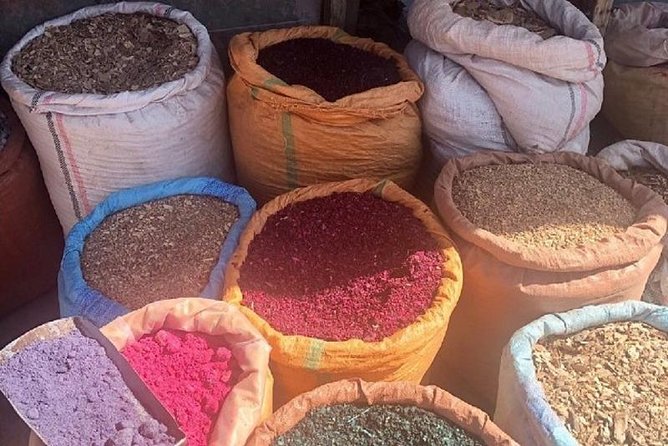
From Atkilt Tera, the route continues toward Merkato, the largest open-air market in Africa. The tour concentrates on the spice market in the center of this huge commercial area.
This is one of the strongest parts of the day. Ethiopian cooking depends heavily on spice blends, and seeing the spices in their raw market setting gives you a better sense of the food than simply hearing a list of names. Your guide can help explain what you are seeing and can assist if you want to shop for souvenirs.
One especially useful detail comes from the way guides handle shopping. Desale was praised for helping a visitor find suitable souvenirs at a fair price. That kind of help matters in a market where you may not know the customary prices or how to judge quality.
Merkato is not a place I would suggest exploring alone if you are unfamiliar with Addis Ababa. The streets can be chaotic, and one guide and driver were specifically praised for taking care of a solo participant in crowded areas. You still need to keep your belongings close and follow your guide’s instructions.
Allow yourself some patience here. Traffic and market conditions may slow the schedule. If you want a long, unhurried shopping session, this tour may feel too brief. If you want a guided first look, it is a practical introduction.
Making injera with local women

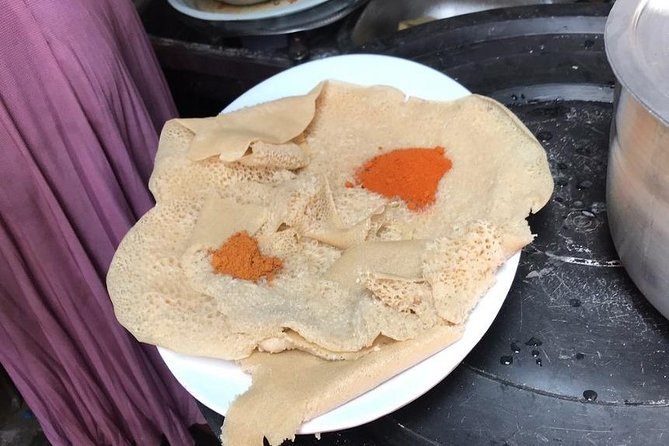
The hands-on cooking part centers on injera, Ethiopia’s soft, sour, fermented flatbread. It is not just a side dish. Injera serves as the eating surface for many Ethiopian meals, with stews and vegetables arranged on top and pieces of bread used to scoop up each bite.
You meet a group of women who demonstrate the process and help you try it yourself. The available details do not promise a full professional cooking class, so think of this as a practical introduction rather than a recipe workshop.
That distinction is important. You learn by watching, handling the batter, and attempting the technique. One participant described the attempt as hilariously bad, which is part of the fun. Injera takes practice, and a lopsided first try is not a failure.
The best detail is that you get to eat what you make. That turns a demonstration into something personal and memorable. It also helps you understand the texture and flavor of injera before lunch.
A small limitation is that the tour focuses on making the bread rather than preparing the dishes served on it. One participant wanted more instruction on how Ethiopian cooks use herbs and spices in the food placed on top. If you are looking for a full kitchen lesson covering stews, sauces, and spice blends, you may want to add a separate cooking class.
A few more Addis Ababa trips to weigh up
- Vintage Coffee Shops, Restaurants, Sightseeing in Addis Ababa
★ 5.0 · 17 reviews - Ethiopia coffee cupping class/Ethiopian food injera making
★ 5.0 · 10 reviews - Unique Ethiopian Cooking Class and Coffee Ceremony with a Local in Addis Ababa
★ 4.5 · 7 reviews - Coffee Cupping Tour in Addis Ababa
★ 5.0 · 5 reviews
Coffee at Tomoca and lunch at Taitu Hotel
The Tomoca Coffee stop brings you back into Addis Ababa’s coffee culture. At this old café, you receive a cup of coffee or macchiato prepared with decades of established practice. You can also buy roasted or ground coffee to take home.
This is a short stop, about 30 minutes, so it works best as a tasting and shopping visit. I like it because it gives you a different coffee experience from the later ceremony. Tomoca is a café stop, while Sululta presents coffee as a social ritual.
Your schedule may be adjusted. A guide may skip Tomoca if you have already been there or replace part of the planned route with another suitable stop. One participant was taken to an art gallery after seeing some scheduled sights earlier. Flexibility is a real advantage, but it means your exact day may not match every listed stop.
Lunch is served at Taitu Hotel in Piassa, identified as Ethiopia’s oldest hotel. The setting adds historical interest without turning lunch into a formal museum visit. You sample assorted Ethiopian dishes in buffet form, with a bottle of water and hot drinks included.
Expect a broad taste rather than a single signature plate. This is a good point in the day to try several foods at once and ask your guide about unfamiliar dishes. Portions have been described as generous, so you should not need to plan another lunch immediately afterward.
Alcoholic drinks are not included, apart from the honey wine tasting later in the tour. Any other purchases and gratuities are your responsibility.
Piassa and the road to Sululta
After lunch, the tour includes sightseeing around Piassa before heading out toward Sululta. This gives the day a little breathing room between the market walking and the coffee ceremony.
The drive to Sululta is part of the appeal. You leave central Addis Ababa for a mountain village setting, with scenery along the road and a different feel from the city markets. The route is not presented as a major sightseeing excursion, so keep your expectations focused on the change of setting and the cultural activity waiting there.
The included car, driver, fuel, and return transport remove the need to arrange another ride. That is particularly useful in Addis Ababa, where a self-planned route linking markets, a café, a historic hotel, and Sululta could be time-consuming.
The day is not built around long scenic walks. Most of the sightseeing comes through short visits, driving, and guided exploration. If you want a demanding outdoor trip, choose something else. If you want city food culture with a countryside finish, this format makes sense.
The full Ethiopian coffee ceremony
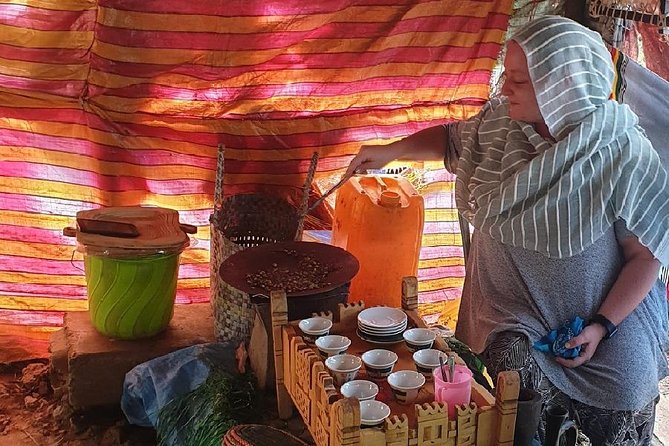
Sululta is the longest stop, with about two hours set aside for the coffee ceremony and honey wine tasting. You see the coffee beans washed and roasted live, then take part in drinking the finished coffee.
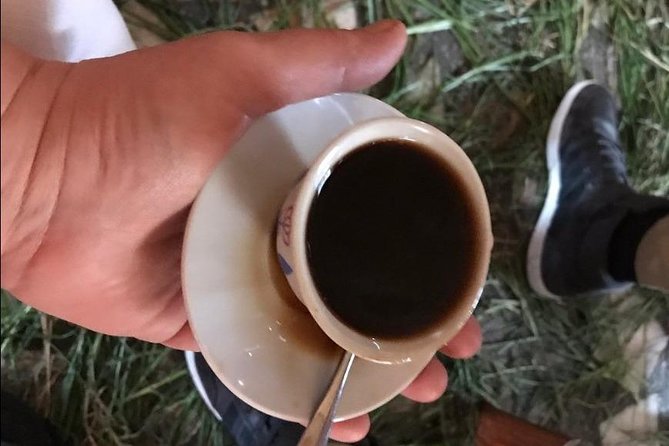
This is more than a quick cup. The preparation is the point. You watch the beans change during roasting, smell the coffee as it is prepared, and then sit down to drink it in a traditional setting.
Several parts of the tour’s appeal come together here. Ethiopia is closely associated with coffee, and the ceremony shows you how coffee can function as a social custom rather than a rushed morning beverage. The setting outside the city also gives the final portion of the day a calmer rhythm.
You also taste tej, Ethiopia’s honey wine. The tasting is included, while other alcoholic drinks are not. The tour information refers to a glass of honey wine, and some experiences have also included discussion of locally made drinks such as vodka and beer. Do not assume those extra drinks are part of the package.
If you do not drink alcohol, confirm how you would like to handle the honey wine portion before booking. The stated minimum age is eight, but the tour includes a honey wine tasting, so families should decide if the full program suits their children.
Guides, flexibility, and group size
The guide can make a major difference on a market-heavy day. Names associated with especially strong experiences include Zerefa, Seya, Samuel, Emmanuel, Abiy, and Desale. You cannot assume you will receive a particular person unless the operator confirms it, but the pattern is clear: the guide assignment varies.
The strongest guide qualities are practical. You want someone who can explain the food, give useful background on Addis Ababa, help you navigate Merkato, and adjust the route when needed. Zerefa was repeatedly praised for thoughtful service and for changing the plan when guests had already completed part of the route. Seya was praised for detailed explanations of Ethiopian history and culture.
The group limit is 30 people. That keeps the tour workable, but it is not the same as a guaranteed small-group outing. A large group may make the markets feel more orderly, yet it can reduce your time with the person teaching injera.
Most people can participate, and the tour is near public transportation, though round-trip transport is included. Confirmation is received at booking. Free cancellation is available up to 24 hours before the start time. If poor weather causes cancellation, you are offered another date or a full refund.
What to bring and how to plan the day
Wear shoes suited to market walking and clothes appropriate for changing weather. Since the tour runs in all weather, bring a layer that can handle rain or cool mountain air in Sululta.
Keep your schedule fairly open. Traffic, market conditions, and customized stops can affect the timing. The stated duration is approximately five to six hours, but the description also calls it a full-day tour, so ask for the expected pickup and return times if you have a flight or conference appointment.
You do not need to arrange lunch, water, coffee, or transportation. You may want extra cash for coffee purchases, souvenirs, other drinks, or tips. Tips for the guide are not included.
The minimum age is eight. Groups with young children should consider the market crowds, the long sequence of stops, and the alcohol tasting. The tour is capped at 30 people and may be operated by a multilingual guide, so English is included but the guide may speak other languages as well.
Who should book this Addis Ababa food tour?
I would choose this tour if you have limited time in Addis Ababa and want a quick but substantial introduction to local food and daily life. It covers far more ground than a restaurant meal and gives you several settings: produce market, spice market, café, hotel, cooking area, and mountain village.
It is also a good fit for solo visitors. Pickup, a driver, and a guide make the day easier to manage, especially around Merkato. The guides have shown a willingness to adapt the route, which helps if you have already visited one of the scheduled places.
Food-focused families can enjoy the injera activity, provided the market pace and honey wine tasting are suitable for their children. Coffee fans will get the most from the contrast between Tomoca’s café service and the slower ceremony in Sululta.
I would hesitate if you want a quiet, slow food class or a carefully timed luxury tour. The day is active, the market can be intense, and the cooking instruction is centered on injera rather than a complete Ethiopian menu. The single one-star account involved a missed pickup and an unanswered phone during a period of severe disruption in Ethiopia. That is a serious service concern, though the wider pattern of feedback is strongly positive, with a 4.9 rating from 65 reviews and 98 percent recommending the experience.
Should you book it?
Book this tour if you want food, markets, coffee, and city context in one outing. At $85, the included transport and lunch make the price reasonable, especially for a solo visitor or anyone with only one free day in Addis Ababa.
Choose it with realistic expectations. You are getting a busy cultural sampler, not a long-form cooking course. If you are comfortable with crowds, flexible timing, and a hands-on attempt at injera, this is one of the more useful ways to see how Ethiopian food connects the market, the kitchen, the café, and the family table.
FAQ
How long does the Ethiopian Culinary Tour last?
The tour lasts approximately five to six hours, although it is also described as a full-day culinary outing. Ask for the expected schedule if you have other fixed plans.
What is included in the price?
The $85 price includes pickup and drop-off in Addis Ababa, ground transportation with a car, driver, and fuel, an English-speaking guide, local guides, lunch, a bottle of water, and hot drinks.
Where can pickup and drop-off take place?
Pickup and drop-off are offered at any location in Addis Ababa, including a hotel, house, or airport. Edna Mall is listed as the meeting point.
Is lunch included?
Yes. Lunch is served at Taitu Hotel and includes assorted Ethiopian dishes in buffet form, a bottle of water, and hot drinks.
Do I get to make injera?
Yes. You meet local women who demonstrate the process of making injera and give you the chance to try it. You can eat the bread you make.
Is the coffee ceremony a full demonstration?
Yes. In Sululta, the ceremony includes washing and live roasting the beans before you enjoy a cup of coffee.
Is honey wine included?
Yes. The tour includes a honey wine tasting. Other alcoholic drinks are not included.
Can the itinerary be changed?
The guide may adjust the route if you have already visited a scheduled stop or if another suitable activity is available. The exact stops may therefore vary.
What is the cancellation policy?
You can cancel at least 24 hours before the start time for a full refund. Cancellations or changes made less than 24 hours before the start time are not accepted for a refund. If poor weather cancels the tour, you are offered another date or a full refund.
More Food in Addis Ababa
- Local Ethiopian Food Tour
★ 4.0 · 4 reviews - Half Day Food Tour Addis Ababa With Airport pickUp And Drop-Off
★ 5.0 · 4 reviews - Addis Food Tasting Tour
★ 5.0 · 4 reviews - Food tour in Addis Ababa with airport pick-up.
★ 3.5 · 3 reviews
More Food & Drink in Addis Ababa
- Hidden Treasures of Addis Ababa – Food, Culture and History Tour
★ 5.0 · 57 reviews - Addis Ababa City Tours With Cocking Class of Ethiopian Food
★ 5.0 · 20 reviews - Local Ethiopian Food Tour
★ 4.0 · 7 reviews - city tour of Addis Ababa ( history ,culture , food and more)
★ 5.0 · 7 reviews
Just added around Addis Ababa
- Yod Abyssinia Cultural Night: Dinner, Music, and Dance★ 5.0 · 7 reviews
- Stunning Views Wonchi Crater Lake a Private Day Trip★ 5.0 · 3 reviews
- Locally crafted beer and wine tasting and nightlife in Addis tour★ 5.0 · 6 reviews
- Two days Lake Wenchi and Menagesha Forest★ 5.0 · 3 reviews
- 3-Day Cultural Tour in South Omo Valley★ 5.0 · 4 reviews
- Addis Ababa City Tours Full-Day Tours★ 5.0 · 5 reviews
- South Omo Valley Tribes 8 Days Tour Package★ 5.0 · 4 reviews
- Day Trip to Tiya UNESCO Site & Melka Kunture Archaeological Site★ 4.5 · 3 reviews
Ethiopian Coffee Ceremonies, compared.
Market Tour and Cooking Class with a Coffee Ceremony at a Home in Addis Ababa
Read our review →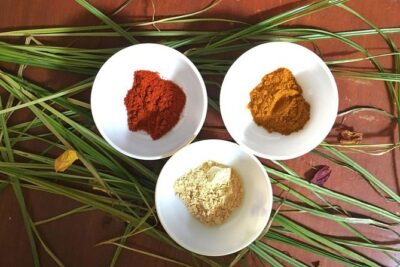
Ethiopian Cooking Class and Coffee Ceremony with a Local in Addis with transfers
Read our review →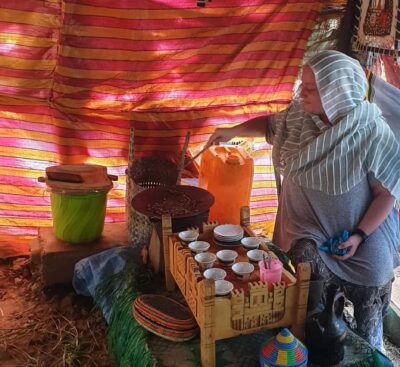
Ethiopian Culinary Tour – Market, Coffee Ceremony and More
Read our review →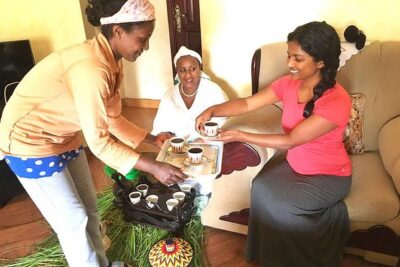
Unique Ethiopian Cooking Class and Coffee Ceremony with a Local in Addis Ababa
Read our review →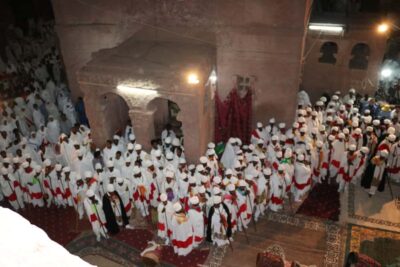
Churches Full-Day Private Tour w/Coffee Ceremony
Read our review →Browse the lists this tour appears in