
Reviewed · ETHIOPIAN COFFEE CEREMONIES
Unique Ethiopian Cooking Class and Coffee Ceremony with a Local in Addis Ababa
The best part of this Addis Ababa food tour is that you cook in Daniel and Tigist’s home, not in a polished demonstration kitchen. Tigist guides you through injera and a traditional dish, while Daniel helps host the meal and coffee ceremony. You get a close look at ordinary Ethiopian home life, including a chance to meet their three boys if you visit in the evening or on a weekend.
I like the hands-on cooking, especially the chance to pour and cook injera rather than simply watch someone else do it. I also like the coffee ceremony, which begins with raw beans and turns a familiar drink into a social ritual. The main consideration is the price, $116 per person, and the sometimes unclear meeting arrangements. There is no hotel pickup, so confirm the exact meeting point before setting out.
Key points to know before booking

- Cook in a real Addis Ababa home: Daniel and Tigist welcome you into their clean, comfortable home kitchen on the quieter outskirts of the city.
- Learn injera from the cooking surface up: Tigist shows you how to prepare, pour, and cook Ethiopia’s famous fermented flatbread.
- Make more than one dish: Depending on the seasonal menu, you may prepare shiro, tibs, or another traditional dish.
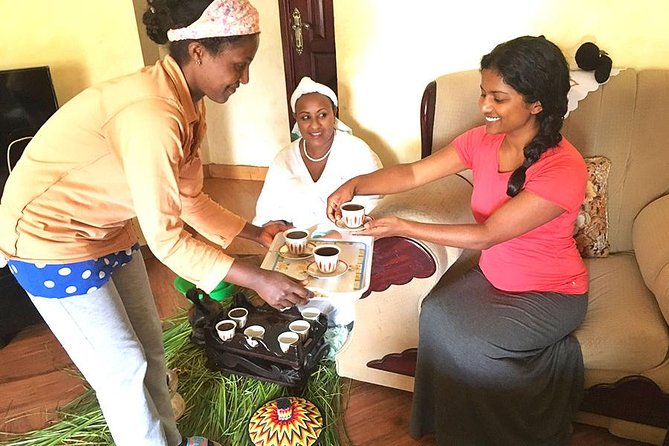
- Roast coffee from raw beans: The coffee ceremony includes hand-roasting, brewing, and sharing the finished coffee.
- Choose lunch or dinner: Evening and weekend visits may include meeting the family’s three children.
- Plan your own way there: Hotel pickup and drop-off are not included, and the meeting instructions should be confirmed carefully.
A home kitchen on the outskirts of Addis Ababa
This is not a commercial cooking school with rows of workstations and a fixed script. You visit the home of Daniel and Tigist, a couple who open their kitchen and dining space to a small private group.
Their neighborhood lies on the outskirts of Addis Ababa. It is described as calmer and greener than the center, and it is not an area most tourists pass through on a normal city visit. That setting matters. You are not just tasting Ethiopian food in a restaurant. You are seeing where a local family lives and how food fits into daily routines.
The home is comfortable, clean, and homey, with pictures of the couple’s three boys. If you choose an evening or weekend time, the children may be there too. That can make the visit feel more like a social invitation than a paid lesson, though families who prefer a quieter cooking session should consider a daytime booking.
The activity is private, so only your own party participates. That gives you room to ask questions, work at your own pace, and discuss food preferences without competing with a large class.
More ethiopian coffee ceremonies in Addis Ababa:
Preparing injera with Tigist

The central lesson is injera, the soft fermented flatbread used across Ethiopia as both food and plate. It has a slightly sour flavor and a spongy texture, and eating with injera is part of learning how many Ethiopian meals are served.
Tigist shows you how to pour and cook it properly. This is the kind of task that looks simple until you try it. The batter must be spread across the cooking surface in the right way, and the finished bread needs to cook without losing its soft, flexible texture.
You should expect the lesson to be practical rather than technical in a restaurant-school sense. You will learn by watching Tigist, trying the process, and asking questions. The value is not just in leaving with a recipe. You gain a better sense of why injera takes practice and why a homemade batch may look different from the neat rounds served in a restaurant.
The menu changes with the season. Shiro, a stew made with chickpea or broad bean flour, is one possible dish. Tibs, made with stir-fried meat, vegetables, and spices, is another. The difference matters when you book: shiro is a useful choice for vegetarians, while tibs offers a meat-based introduction to Ethiopian seasoning and cooking methods.
If you want to learn an additional dish, put that request in the booking notes. It will extend the cooking time, so do not plan a tight appointment immediately afterward.
Shiro, tibs, and the meal at the end
The cooking class lasts about two hours, followed by the meal and coffee ceremony within the roughly three-hour visit. The exact menu is not fixed, which is normal for home cooking and helps keep the food seasonal.
Shiro gives you a good introduction to the thick stews commonly served with injera. Its texture and spice level can vary, and it works well for a vegetarian meal. Tibs offers a different lesson, with ingredients stir-fried together rather than simmered into a smooth stew.
You will eat what you help prepare, which makes the meal more satisfying than a standard restaurant stop. It also lets you ask about the ingredients while they are still fresh in your mind. If you have dietary restrictions, allergies, or cooking preferences, tell the host when booking rather than waiting until you arrive.
A vegetarian option is available, but it must be requested in advance. The menu may also change according to the season, so book this for the chance to learn Ethiopian home cooking rather than for one guaranteed dish.
Coffee roasted by hand, then shared in ceremony
The coffee portion begins with raw beans. You learn how they are roasted by hand before they are prepared for drinking.
This is a useful contrast with the quick cup of coffee you might order in a café. The ceremony gives the drink time and ceremony, with preparation becoming part of the visit rather than an afterthought. Daniel and Tigist serve beverages as part of the included meal and gathering.
The coffee ceremony is also where the social side of the visit becomes clearest. You sit, drink, and talk instead of rushing from one activity to the next. For many people, this will be the most memorable part because it connects the food to Ethiopian hospitality and family life.
The wording of the tour places coffee roasting alongside cooking, so you should expect to participate rather than simply receive a finished cup. If coffee is a major reason for booking, tell the host you would like to spend time on that part of the process.
More ethiopian cooking classes in Addis Ababa:
- Addis Ababa City Tours With Cocking Class of Ethiopian Food
★ 5.0 · 20 reviews - Ethiopia coffee cupping class/Ethiopian food injera making
★ 5.0 · 10 reviews - Local Ethiopian Food Tour
★ 4.0 · 7 reviews - Addis abeba Full Cooking class.
★ 5.0 · 6 reviews
The possible market stop and getting to the house

Some arrangements have included a visit to a local market with Daniel before the cooking begins. This can add useful context, since you may discuss herbs, spices, and the ingredients used at home. It is worth confirming this detail when you book because the stated activity is centered on the home cooking class, not a guaranteed market itinerary.
Getting to the house requires care. Hotel pickup and drop-off are not included, and the published meeting point is an unnamed road in Addis Ababa. Past arrangements have involved different pickup instructions, including Japan Market and Asko Bus Station, so do not rely on an old message, map pin, or assumption based on the booking page.
Ask for the exact meeting point, the best transport option, and the expected travel time before the day of the activity. One account described a long trip to Asko Bus Station and communication problems around the pickup. That does not erase the value of the home visit, but it is a practical warning. Leave extra time and confirm the details in writing.
The activity ends back at the meeting point. Since no hotel return is supplied, you will also need to arrange your own way back.
What the $116 price includes

At $116 per person, this is not a cheap meal or a basic group cooking lesson. The fee covers a private cooking class, the meal with your host, beverages, taxes, fees, handling charges, and gratuities.
I see the price as easier to justify for a small group that values personal contact. You are paying for access to a private home, a hands-on lesson, food, drinks, and time with the hosts. A larger private party may also benefit from the group discount option, though you should check the final rate for your dates.
The value is weaker if you mainly want to eat Ethiopian food at the lowest possible cost. Addis Ababa has less expensive meals, and this class does not include hotel transport. The price makes the most sense when you want cultural contact and practical instruction, not just lunch or dinner.
The private format improves the calculation for couples, families, and small groups. You can ask for a vegetarian menu, discuss extra dishes, and adjust the conversation more easily than in a large commercial class.
Lunch or dinner, and who should choose each

You can choose a lunch or dinner departure. A lunch visit may suit you if you have evening plans or want to keep the rest of the day open. A dinner visit may feel more connected to family life, since the children may be home during evenings and weekends.
Families and curious eaters are a natural match for this activity. You will have the chance to see how ingredients become a shared meal, and children may find the injera lesson more engaging than a standard sightseeing stop.
It also suits anyone who has already visited museums and churches in Addis Ababa and wants a more personal look at the city. The neighborhood setting gives you a reason to leave the usual central route.
This may not be the right choice if you want a fast, polished lesson with a fixed menu and precise transport. The cooking time can run longer if you request another dish, and the home setting means the schedule may feel less formal than a commercial tour.
Food restrictions, comfort, and practical planning
Tell the host about allergies, dietary restrictions, and preferences at booking. A vegetarian menu is available, but the kitchen needs notice to plan it.
Service animals are allowed, and the meeting point is near public transportation. The activity is private and personalized, which helps if someone in your group needs more time or has specific food questions.
The home is described as comfortable and clean, but the information provided does not give details about step-free access, kitchen seating, or restroom arrangements. If those points matter to you, ask before booking rather than guessing.
Confirmation is sent within 48 hours, subject to availability. That makes early booking sensible if your Addis Ababa schedule is tight. The cancellation policy allows a full refund if you cancel at least two full days before the local start time. Cancellations or changes made later are not refunded or accepted.
Why the strongest part is the human contact
The food is important, but the hosts are what give the visit its shape. Daniel and Tigist are not presenting a staged cultural show. They are inviting you into their home, explaining their cooking, and sharing time around a meal.
You may talk with Daniel about local ingredients and daily life, while Tigist leads the kitchen work. The presence of their children, when timing allows, adds another ordinary detail that a restaurant cannot provide.
That personal setting also means you should arrive with an open schedule and a willingness to participate. Ask questions, help with the cooking, and take your time during the coffee ceremony. The more you treat it as a shared meal rather than a performance, the more you are likely to get from it.
Should you book this Addis Ababa cooking class?
Book it if you want to cook injera, try a traditional stew or tibs, roast coffee from raw beans, and spend several hours in an Ethiopian home. The private format, warm family setting, and coffee ceremony make this a strong choice for people who value direct contact over a standard sightseeing stop.
Think twice if $116 feels high for a three-hour activity, or if you need guaranteed hotel transport and a tightly controlled schedule. Confirm the meeting point, request your dietary needs in advance, and ask whether a market visit is planned.
For most food-focused visitors, I would choose the dinner option if meeting the family matters to you, or lunch if you want a simpler daytime plan. The key is to book it for the home setting and the chance to learn from Daniel and Tigist, not only for the plate of food at the end.
FAQ
How long does the cooking class and coffee ceremony last?
The full activity lasts approximately three hours. The cooking lesson itself takes about two hours, followed by the meal and coffee ceremony.
Where does the activity take place?
It takes place in Daniel and Tigist’s home kitchen in a neighborhood on the outskirts of Addis Ababa.
Is the class private?
Yes. Only your own group participates in this private, personalized activity.
Can I choose lunch or dinner?
Yes. The activity offers a choice of lunch or dinner to fit your schedule.
What dishes might I learn to cook?
The menu may include injera and either shiro, a chickpea or broad bean stew, or tibs, stir-fried meat with vegetables and spices. The menu can vary by season.
Is a vegetarian option available?
Yes. A vegetarian option is available, but you need to request it when booking.
Is hotel pickup included?
No. Hotel pickup and drop-off are not included. The activity starts and ends at the designated meeting point.
Can I request another dish?
Yes. Include the request in the notes when booking. Learning an additional dish will extend the cooking time.
More Coffee Experiences in Addis Ababa
- Vintage Coffee Shops, Restaurants, Sightseeing in Addis Ababa
★ 5.0 · 17 reviews - Ethiopian Culinary Tour – Market, Coffee Ceremony and More
★ 5.0 · 10 reviews - Coffee Cupping Tour in Addis Ababa
★ 5.0 · 5 reviews - Addis Ababa City Experience : Markets, Coffee & Local Life
★ 4.8 · 5 reviews
More Cooking Classes in Addis Ababa
- Private Ethiopian Home Cooking Class in Addis Ababa with Transfer
★ 5.0 · 5 reviews
Just added around Addis Ababa
- Yod Abyssinia Cultural Night: Dinner, Music, and Dance★ 5.0 · 7 reviews
- Stunning Views Wonchi Crater Lake a Private Day Trip★ 5.0 · 3 reviews
- Locally crafted beer and wine tasting and nightlife in Addis tour★ 5.0 · 6 reviews
- Two days Lake Wenchi and Menagesha Forest★ 5.0 · 3 reviews
- 3-Day Cultural Tour in South Omo Valley★ 5.0 · 4 reviews
- Addis Ababa City Tours Full-Day Tours★ 5.0 · 5 reviews
- Day Trip to Tiya UNESCO Site & Melka Kunture Archaeological Site★ 4.5 · 3 reviews
- Tribes of the Ethiopian Omo Valley – 9 Day Tour★ 5.0 · 5 reviews
Ethiopian Coffee Ceremonies, compared.
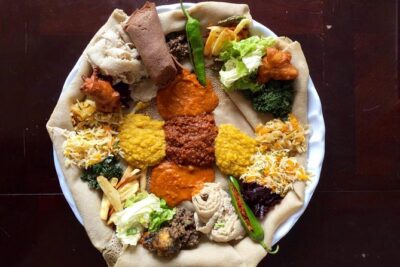
Ethiopian Culinary Tour – Market, Food, Coffee Ceremony & more
Read our review →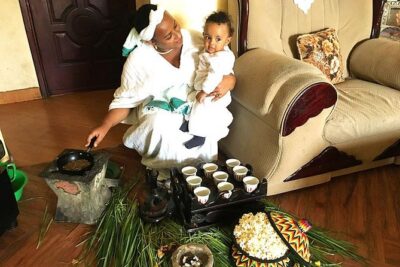
Market Tour and Cooking Class with a Coffee Ceremony at a Home in Addis Ababa
Read our review →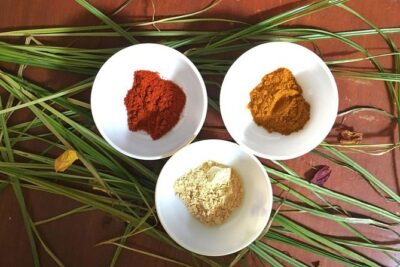
Ethiopian Cooking Class and Coffee Ceremony with a Local in Addis with transfers
Read our review →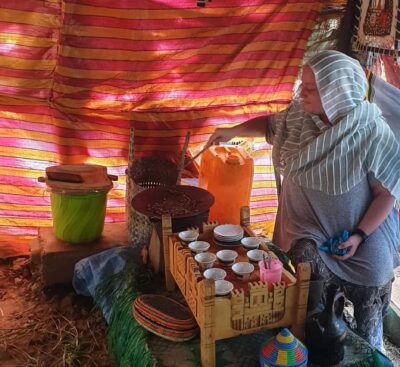
Ethiopian Culinary Tour – Market, Coffee Ceremony and More
Read our review →
Churches Full-Day Private Tour w/Coffee Ceremony
Read our review →Browse the lists this tour appears in