
Reviewed · OMO VALLEY TRIBAL TOURS
From Arba Minch: 4-Day Omo Valley Tribal Guided Tour
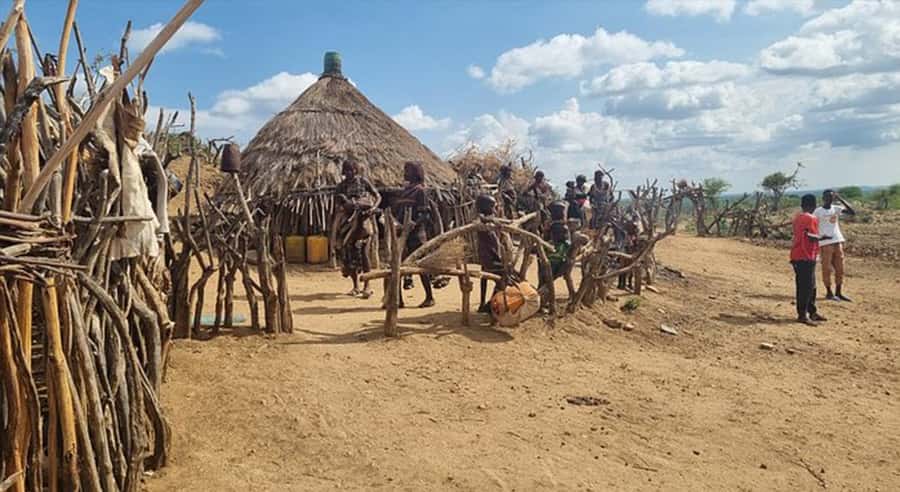
The Omo Valley is one of Ethiopia’s most striking cultural regions, where the road itself becomes part of the experience. Over four days, you’ll travel through dry hills, broad views, and rural settlements while meeting Mursi, Karo, Hamer, and Desanech communities. The focus is on local customs, daily life, markets, and seasonal events such as Hamar Bull Jumping.
I like the private-group format, since it gives you more room to ask questions and set a comfortable pace. I also like the practical package: ground transport, entrance fees, accommodation with breakfast, and an English-speaking guide are included. The main caution is that the published plan gives few day-by-day details, so confirm exactly which villages, markets, ceremonies, and overnight stops are scheduled before paying.
Key points to know before you book
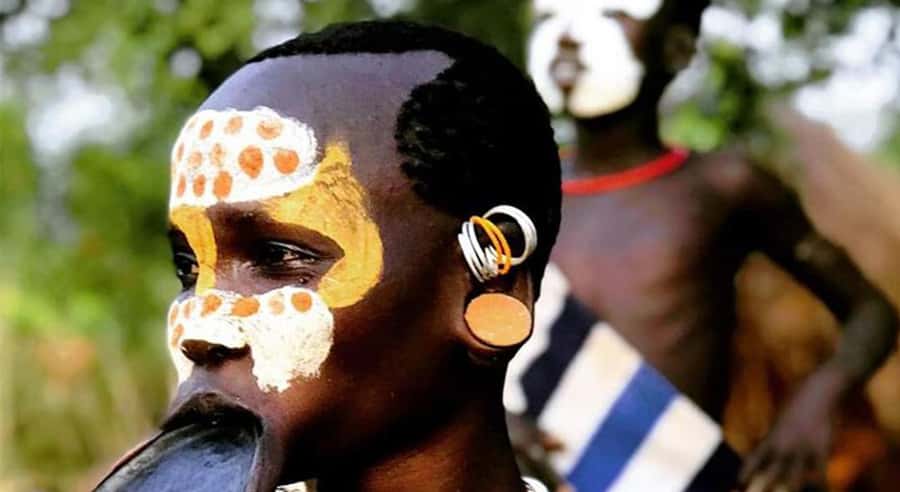
- Mursi village visit: See the distinctive lip plates worn by some Mursi women, with a guide to explain their cultural meaning.
- Four cultural encounters: The route is built around Mursi, Karo, Hamer, and Desanech communities.
- Hamer market and dance: A weekly market offers a chance to see local trade and traditional dancing.
- Two airport options: Start or finish at Arba Minch Airport, or arrange pickup and drop-off at Addis Ababa Bole International Airport.
- Private English-speaking guide: The format suits you if you want direct explanations and flexibility rather than a large coach group.
- $599 value question: The price covers core touring costs, but meals, drinks, and flights are extra.
Why the Omo Valley feels different from a standard sightseeing trip
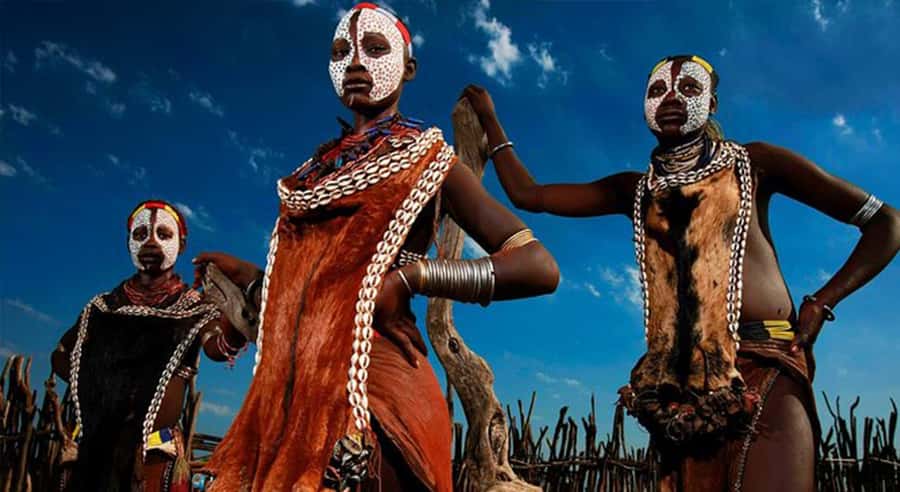
The Omo Valley is not a collection of monuments you tick off in an hour. Its appeal comes from people, customs, clothing, markets, ceremonies, and the changing scenery between communities. You are going to see how culture is expressed in ordinary settings, not only inside a museum.
That also means you should arrive with patience and respect. A village visit is not a stage show. Your guide matters greatly because a good guide can explain what you are seeing, translate when needed, and help you approach people in a considerate way.
The tour promises local guidance and English explanations throughout. That is important here. Customs can be misunderstood when you only look from the outside, and a guide can add the context that turns a quick photograph into a more meaningful encounter.
The trip has earned a perfect five-star score from five verified bookings, with especially strong praise for clear communication, airport welcomes, careful organization, and personal attention. One account singled out Mulu Muse for quick, thorough replies before departure. Another praised guide Kiros for explaining local customs and helping create a link between visitors and the communities they met. Ask in advance who will guide your specific departure, since the named guide may not be assigned to every group.
More Omo Valley Tribal Tours in Arba Minch
- 3 days around Arbaminch and Konso Adventure Tours Life Time
★ 5.0 · 24 reviews - 5 Day Private tour to the Omo Valley Tribes and Adventure Tour
★ 5.0 · 11 reviews - Omo Valley Tribes 6 Days Tours
★ 4.9 · 10 reviews
Starting from Arba Minch or Addis Ababa
You can arrange pickup at Arba Minch Airport or Addis Ababa Bole International Airport. This is a useful choice, especially if you are already moving through southern Ethiopia or need the tour to connect with an international arrival.
Arba Minch is the more natural starting point for a southern route. Addis Ababa can work better if your wider Ethiopian trip begins in the capital. The supplied information does not give flight schedules, driving times, or a precise meeting hour, so you should ask for a written pickup plan before departure.
The same two airports are available for drop-off. That gives you some flexibility, but do not treat the transfer as a small detail. A four-day Omo Valley trip involves long road travel, and your onward flight should be planned only after you know the final return time.
Ground transfers are included, as are entrance fees. That makes budgeting easier, though you still need to cover your air ticket, meals, drinks, and alcoholic drinks.
Meeting the Mursi and understanding the visit
A visit to a Mursi village is one of the tour’s clearest highlights. You will see the distinctive lip plates worn by some Mursi women, a practice widely associated with Mursi identity and often misunderstood when reduced to a picture.
Your guide should provide the cultural explanation and help you understand that people are not simply attractions. Use this stop to listen as much as you photograph. Ask how the visit works, what photography rules apply, and whether any customary contribution is expected. The supplied details do not specify those arrangements, so get clear guidance locally.
The attraction is not only the lip plates. The value lies in seeing a community in its own setting and learning how appearance, tradition, and identity connect. A private group can make this more comfortable because you have space to ask questions without competing with a large crowd.
At the same time, this is the kind of stop where expectations need care. You may find the encounter more structured than a casual village walk. That is not necessarily a flaw, but it is worth knowing that cultural contact in a popular route can feel arranged rather than spontaneous.
Karo country and the road through the Omo Valley
The Karo are another major cultural focus. The program promises a visit to Karo communities, but it does not specify the exact village or the length of the stop. Ask whether the visit is planned for a particular settlement and what you will be able to see there.
The road between communities is part of the trip. You will have scenic views, sunset moments, and a sunrise listed among the route’s experiences. The Omo Valley scenery gives the journey its sense of place, with broad dry-country views and changing light across the hills and roads.
I like that the program does not treat the road as dead time. A scenic stop can break up the drive and give you a chance to watch the region change. Still, the exact driving schedule is not published, so do not assume every sunrise or sunset stop will be long or guaranteed. Weather, road conditions, and the day’s cultural visits can affect timing.
The information also lists a guided tour of the Omo Valley lasting 30 minutes in one itinerary line. That may refer to a specific scenic or guided segment rather than the full regional visit, so ask the operator to clarify how that timing fits into the four days.
More omo valley tribal tours in Ethiopia:
- 6 Days Omo Valley Tribes Tours From Addis Ababa
★ 5.0 · 33 reviews - Lalibela, Axum, Danakil and Omo Valley 8 DAYS
★ 5.0 · 29 reviews - 3 Days Omo Valley Tour
★ 5.0 · 24 reviews - Danakil Depression, Lalibela, Omo Valley and Simien Mountains
★ 5.0 · 23 reviews
The Hamer weekly market and traditional dance
The Hamer weekly market gives the tour a different rhythm. Instead of visiting only a village, you can see people gathering for trade and social contact. Markets are often among the best places to notice everyday details: what is being sold, how people meet, and how local commerce fits into rural life.
The program also includes traditional Hamer dances. This can be a memorable cultural moment, but the timing matters because the market happens weekly. You should confirm the market day before booking. If your dates do not match, the stop may not have the same character.
A market visit is worth more than a quick walk through stalls. Give yourself time to observe without treating people as scenery. Your guide can explain the dance, translate questions, and tell you when photography is appropriate.
The tour also mentions access to seasonal ceremonies such as Hamar Bull Jumping. That is an important qualification: seasonal ceremonies are not a daily guarantee. Ask whether one is expected during your four-day departure, and do not book on the assumption that it will happen unless the operator confirms it.
Seeing the Desanech communities
The Desanech are included among the communities visited on this route. As with the Karo stop, the available details do not identify the exact settlement or give a precise visit length.
That uncertainty is a reason to ask for the daily plan, not a reason to dismiss the tour. The Omo Valley covers a wide area, and local conditions can shape the route. A confirmed village name, driving outline, and expected arrival times will help you understand what you are buying.
This stop adds breadth to the trip. Rather than focusing on one famous cultural image, you get a chance to compare traditions and daily life across several communities. Your guide’s translation and explanations are central to making those comparisons fair and useful.
Dorze Village and the broader southern route
Dorze Village is specifically included in the entrance admissions. The main highlights focus on Mursi, Karo, Hamer, and Desanech communities, so ask how Dorze fits into your route and which day it is visited.
That is a particularly useful question because the tour is advertised as a four-day experience, yet the public schedule is presented in broad terms rather than as a detailed day-by-day plan. Dorze may be a planned stop, an entry item connected to the wider route, or part of the Arba Minch area portion. You should have this confirmed in writing.
If Dorze is included, it gives you another cultural point of comparison before or after the Omo Valley portion. The entrance fee is covered, which removes one small cost and makes the overall price easier to assess.
What the $599 price really covers
At $599 per person, the tour is not a bare transport package. You are paying for four days, private ground transfers, an English-speaking guide, accommodation with breakfast, and entrance fees. The price also includes access to the planned cultural visits and scenic stops.
That can be good value if you want one organized arrangement instead of negotiating each transfer and admission separately. A private group is also valuable if you care about direct guide access and a more personal pace.
The price does not include air tickets, meals, drinks, or alcoholic drinks. Those extras matter in a region where road days can be long. Budget for meals beyond breakfast and ask how easy it will be to buy food and water along the route.
I would compare the price based on the vehicle arrangement, hotel standard, number of people in your private group, and exact route. Those details are not supplied, but they affect value more than the headline figure. Ask if all four days include a full touring schedule, or if airport transfers occupy part of the first and last days.
Accommodation, meals, and daily comfort
Accommodation with breakfast is included. The hotel names and room standards are not provided, so ask where you will sleep each night and whether the accommodation is in hotels, lodges, or another type of property.
Breakfast helps you start road days without arranging an early meal, but lunch and dinner are your responsibility. Drinks are also excluded. Ask your guide or operator how meals are normally handled during long drives and village visits.
Comfort is especially important on a four-day road trip. You should ask about the vehicle, luggage space, air conditioning, and how often stops are planned. The tour promises comfortable transportation, but the precise vehicle details are not stated.
Do not overlook the private format. If you are traveling with family or friends, it can make long drives easier because you are not sharing the schedule with a large group. If you are booking alone, ask how the private-group pricing works and whether another person can join.
Guide quality is the make-or-break factor
This trip depends heavily on the guide. The strongest praise attached to the operator concerns quick replies, reliable arrangements, airport reception, personal care, translation, and explanations of local customs.
That is exactly what you want in the Omo Valley. The guide is not only there to point out stops. You need help with greetings, photography, cultural questions, market etiquette, and changes to the road schedule.
Mulu Muse is named as a responsive sales manager who provided detailed information before travel. Kiros is named as a guide with strong knowledge of history and local customs. You can use those details when booking: ask whether Mulu Muse is handling your reservation and whether Kiros will lead the field portion.
Do not assume a named staff member is guaranteed for every departure. Get the assigned guide’s name before you go. Also ask whether the guide will translate directly in villages and markets, since that can make a major difference to the quality of each encounter.
Practical limits you should consider
The tour offers a lot in four days, but the region is broad. You may spend substantial time on the road, and the public schedule does not state driving hours or exact overnight locations.
You should also be flexible about seasonal events. Hamar Bull Jumping is mentioned as an event you may be able to access, but ceremonies depend on timing. A weekly market also requires the right departure dates.
The cultural encounters call for a respectful approach. Ask before taking close-up photographs, follow the guide’s advice, and remember that traditional clothing or body decoration is part of someone’s life, not a costume provided for a camera.
Finally, the perfect five-star score comes from a small set of bookings. It points to strong organization and personal service, especially from the named staff, but it cannot answer every question about your own route, accommodation, or group. That is why pre-trip confirmation matters.
Who should book this four-day Omo Valley tour
I would recommend it to you if you want a private, guided introduction to southern Ethiopia and prefer having transport, admissions, and accommodation arranged in one package.
It suits you especially well if you value cultural explanation over a rushed photo stop. The English-speaking guide, local access, Hamer market, scenic drives, and four-community focus give the trip a clear purpose.
It may not suit you if you want a fully detailed schedule before paying, guaranteed access to a specific ceremony, or meals and flights included in the advertised price. You should also think twice if you dislike long road journeys or prefer independent travel with complete control over each overnight stop.
Before booking, ask for five things: the daily route, the accommodation names, the guide assigned to your group, the expected market day, and whether Hamar Bull Jumping is actually scheduled during your dates. Those answers will tell you far more than the price alone.
Should you book it?
Book this tour if you want a structured but personal way to reach Mursi, Karo, Hamer, and Desanech communities without arranging every transfer yourself. The strongest reasons are the private format, local English-speaking guidance, covered entrance fees, and the operator’s record of clear communication and attentive airport service.
I would book with one condition: confirm the details that are not yet clear. If Lucy Ethiopia Tours can provide a sensible four-day route, suitable accommodation, and a named guide, $599 can be a fair price for this level of organization. If the schedule remains vague, ask more questions before committing.
FAQ
How long is the Omo Valley Tribal Tour?
The tour lasts four days.
Where can pickup take place?
Pickup is available at Arba Minch Airport or Addis Ababa Bole International Airport.
Where can drop-off take place?
Drop-off is available at Arba Minch Airport or Addis Ababa Bole International Airport.
Is the tour private?
Yes. The tour is offered for a private group.
What language does the guide speak?
The live tour guide speaks English.
Which communities are included?
The tour includes visits connected with the Mursi, Karo, Hamer, and Desanech communities.
Will I visit a Mursi village?
Yes. The program includes a Mursi village visit and the chance to see the distinctive lip plates worn by some Mursi women.
Does the tour include a Hamer market?
Yes. The experience includes a visit to the Hamer weekly market and traditional Hamer dances.
Is Hamar Bull Jumping guaranteed?
No. The tour describes seasonal ceremonies such as Hamar Bull Jumping as possible experiences, so you should confirm availability for your dates.
What is included in the $599 price?
The price includes entrance fees, ground transfers, an English-speaking guide, accommodation with breakfast, and admission to Dorze Village.
What is not included?
Air tickets, alcoholic drinks, meals, and drinks are not included.
Can I cancel for a full refund?
You can cancel up to 24 hours in advance for a full refund.
Do I have to pay immediately?
The reserve-now, pay-later option allows you to hold your place without paying at the time of booking.
More 4-Day Experiences in Ethiopia
- 4 days semien mountain national park trekking,
★ 5.0 · 11 reviews - 4-Day Tour: Tigray Churches & Danakil Depression Adventure.
★ 5.0 · 11 reviews - Omo Valley 4days 3nights Cultural Tour
★ 5.0 · 7 reviews - 4 Days Trekking to Simien Mountain National Park
★ 5.0 · 7 reviews
Just added around Ethiopia
- Yod Abyssinia Cultural Night: Dinner, Music, and Dance★ 5.0 · 7 reviews
- 2 days Tigray Church★ 5.0 · 3 reviews
- 3 days tour Danakil Depression (Dallol & Erta Ale)★ 4.0 · 5 reviews
- Trekking in Ethiopia’s Lalibela Wollo Highland 4 Days / 3 Nights★ 5.0 · 6 reviews
- 2 Days Dallol Trip★ 5.0 · 4 reviews
- The Rock-Hewn Churches of Lalibela: 3 Days / 2 Nights★ 5.0 · 6 reviews
- Lalibela Backpacker tours★ 5.0 · 6 reviews
- Lalibela churches Guided Tour★ 5.0 · 6 reviews
Omo Valley Tribal Tours, compared.

6 Days Omo Valley Tribes Tours From Addis Ababa
Read our review →
Lalibela, Axum, Danakil and Omo Valley 8 DAYS
Read our review →

3 days around Arbaminch and Konso Adventure Tours Life Time
Read our review →Danakil Depression, Lalibela, Omo Valley and Simien Mountains
Read our review →


Browse the lists this tour appears in