
Reviewed · OMO VALLEY TRIBAL TOURS
Omo valley Tour: Discover unique 0 century 🕛 tribes culture
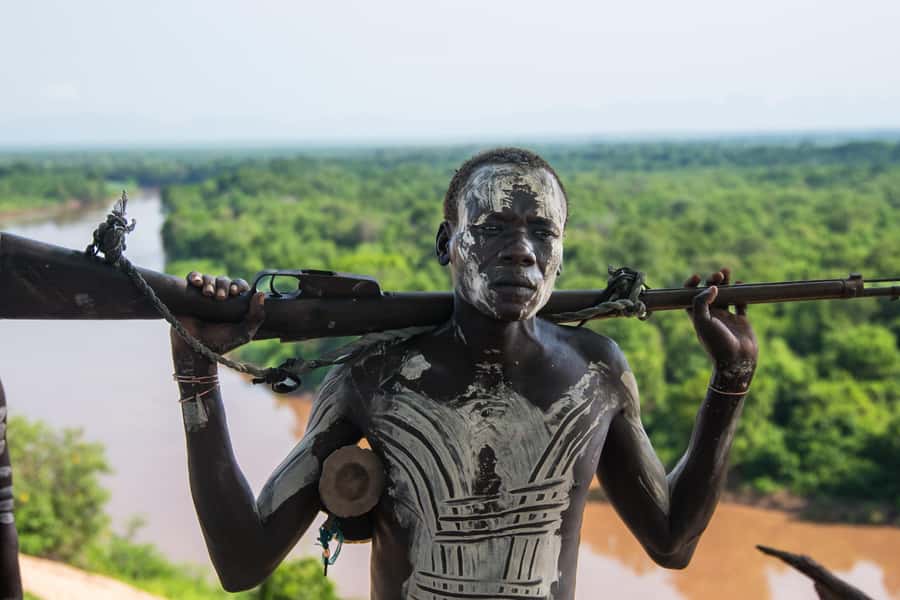
Bull jumping among the Hamar, painted faces beside the Omo River, and the weekly Dimeka market are the heart of this southern Ethiopia tour. You travel with local guide Kali, and driver Elias may handle the road on selected departures. The experience reaches communities whose customs, dress, farming, and cattle traditions differ sharply from one another.
I like the chance to visit more than three Omo Valley communities in only three days, and I like that the company offers private or small groups rather than one fixed bus tour. The main consideration is the long road travel and basic conditions in some areas, so this suits you best if cultural access matters more than polished comfort.
Key points to know before booking
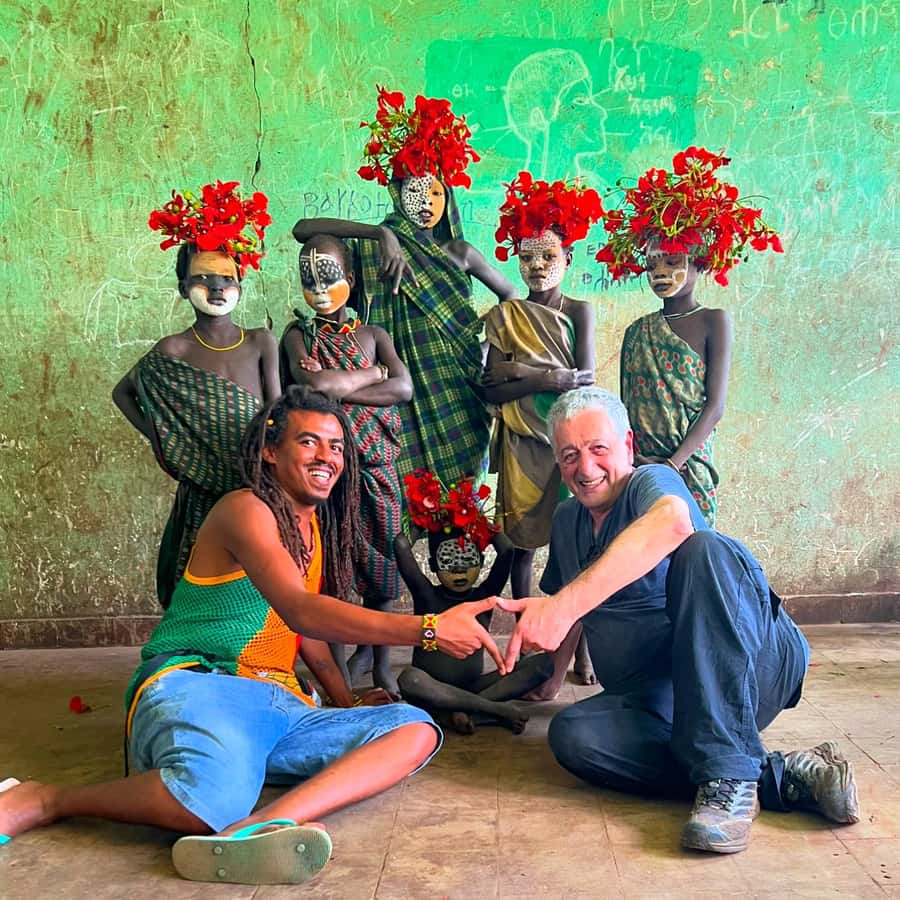
- Hamar bull jumping: A young man proves his readiness for marriage by leaping across a line of cattle.
- Dimeka Saturday market: Hamar, Bana, Karo, Dasenech, and Tsemay people may gather to trade goods and cattle.
- Karo on the Omo River: Meet agro-pastoralists known for elaborate body painting.
- Mursi in Mago National Park: Visit a village about 66 kilometers from Jinka and learn about lip plates, cattle, and daily life.
- Local trip leadership: Kali works from the Jinka and Arba Minch area, with guides available in several languages.
- Good package value: The $500 per person price includes transport, meals, water, lodging, entry fees, guides, park scouts, and camping equipment.
Why this Omo Valley trip is different
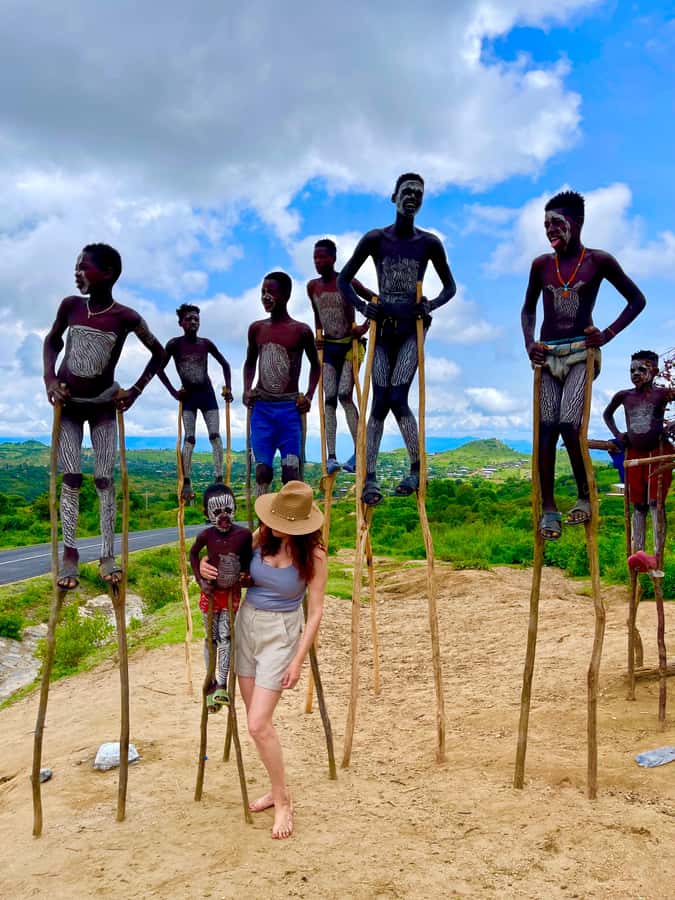
Southern Ethiopia is not a quick museum visit. The Omo Valley is a broad region where communities maintain distinct traditions, and the road between them is part of the experience. This tour takes you from Jinka toward Turmi, the Omo River, Dimeka, and Mago National Park.
The strongest reason to book is variety. In three days, the planned route introduces you to the Hamar, Karo, and Mursi, with the market adding contact with Bana, Dasenech, and Tsemay communities. Longer private trips can be arranged for two to seven days, and the operator says trips may also be adjusted for longer stays according to your time and budget.
I would approach this as a cultural trip, not a luxury holiday. You may sleep in an eco-lodge, hotel, or camp, depending on the route and arrangement. The package includes camping materials and fees, which makes the deeper rural sections possible, but you should ask exactly where you will sleep before paying.
More Omo Valley Tribal Tours in Arba Minch
- 3 days around Arbaminch and Konso Adventure Tours Life Time
★ 5.0 · 24 reviews - 5 Day Private tour to the Omo Valley Tribes and Adventure Tour
★ 5.0 · 11 reviews - Omo Valley Tribes 6 Days Tours
★ 4.9 · 10 reviews
Day 1: Jinka to Turmi and the Hamar community
The short three-day plan begins with pickup in Jinka, including Jinka Airport pickup when needed. After lunch in Jinka, you drive toward Turmi and the Hamar area.
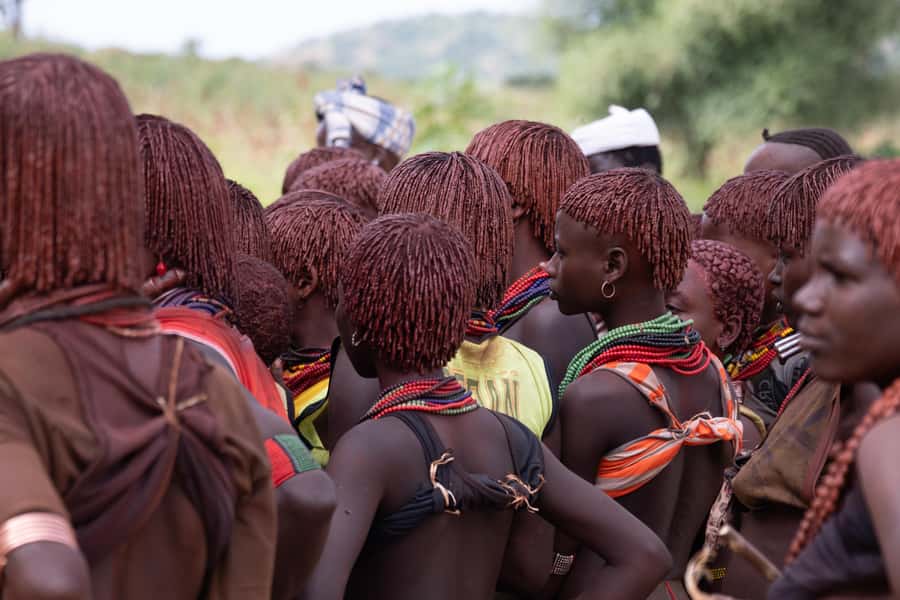
The Hamar are known for body scarring, clay-shaped hairstyles, and the bull-jumping ceremony. The ceremony has an important place in Hamar life: a young man must complete the jump before marriage. If the timing works, this can be the most powerful part of the trip, since you are seeing a social rite rather than a staged museum display.
There is one important catch. Ceremonies do not occur on demand, so bull jumping cannot be treated as a guaranteed daily show. One three-day departure included a bull-jumping ceremony, but you should confirm the date and local conditions with Kali before booking if this is your main reason for going.
The overnight stay is in Turmi, either camping with the Hamar or at an eco-lodge inside the Hamar village area. That choice matters. Camping can bring you closer to the setting and give the trip a stronger field feel, while an eco-lodge may be the better pick if you want a bed and fewer practical demands.
Day 2: Karo villages and Dimeka market day
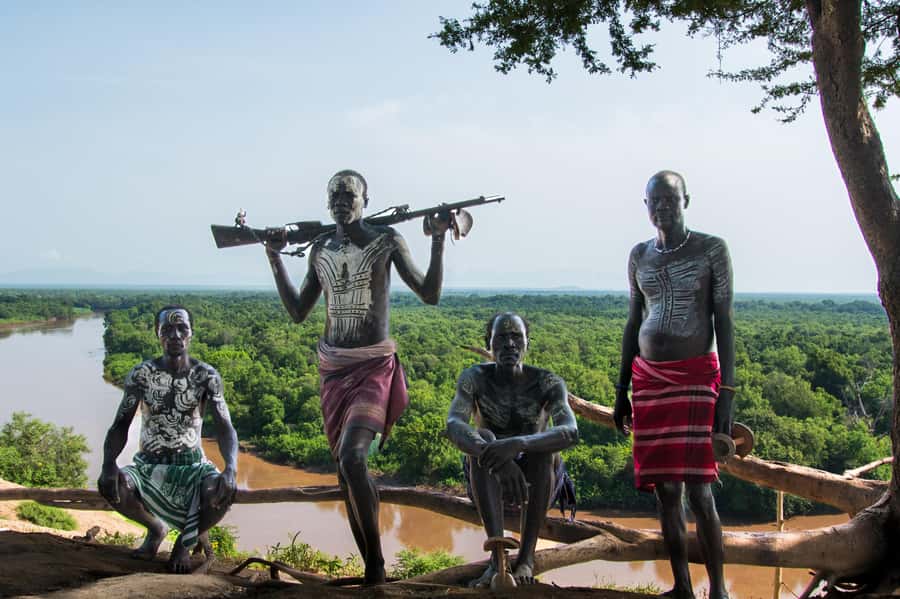
After breakfast, the route heads toward the Karo communities along the Omo River. The Karo are agro-pastoralists, meaning cattle and farming both shape daily life. They are also known for body painting, which gives this stop a different character from the Hamar visit.
Take time to notice the contrast. The point is not simply to collect photographs of painted faces. A good visit should help you understand how body decoration, cattle, family life, and the dry surroundings fit together. Ask Kali how photographs are handled and what permission is needed before taking pictures.
The route also includes the Dimeka market when the schedule falls on Saturday. This is described as the largest Hamar market in the area, with Hamar, Bana, Karo, Dasenech, and Tsemay people coming to buy and sell goods and cattle.
The market is valuable because it is a working place, not just a cultural display. You may see different communities sharing one trading space, which gives you a wider view of the region than a single village visit. Since the market is weekly, check your dates carefully. A three-day plan that does not include Saturday may not offer this exact stop.
The night is in Jinka. Returning there keeps the next morning’s Mursi visit practical, though the day still includes substantial driving.
Day 3: Mursi village and Mago National Park
The final morning takes you from Jinka to a Mursi village in Mago National Park, about 66 kilometers away. The park entry and a local scout are included in the tour package.
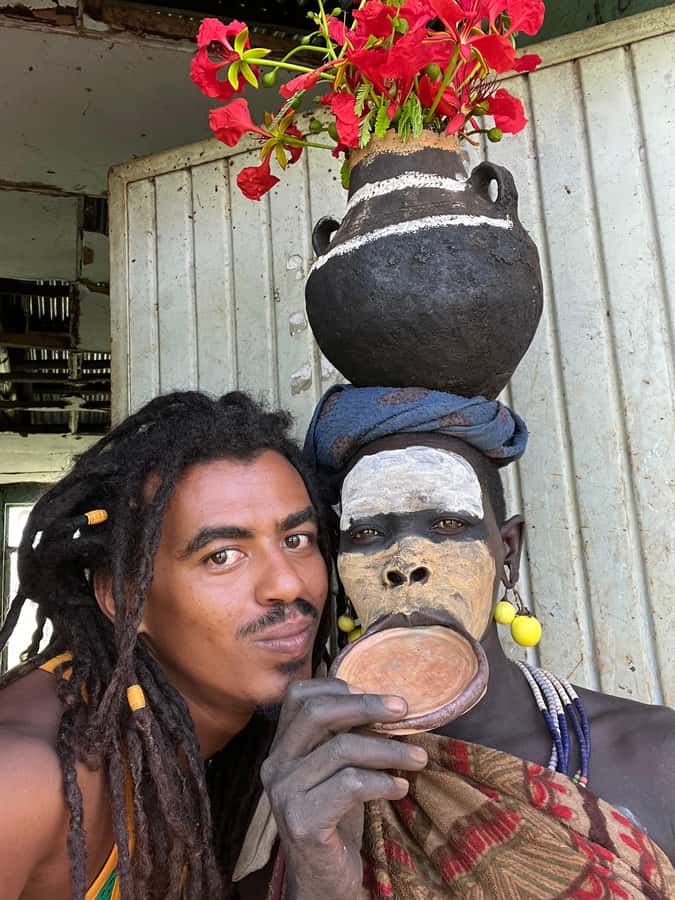
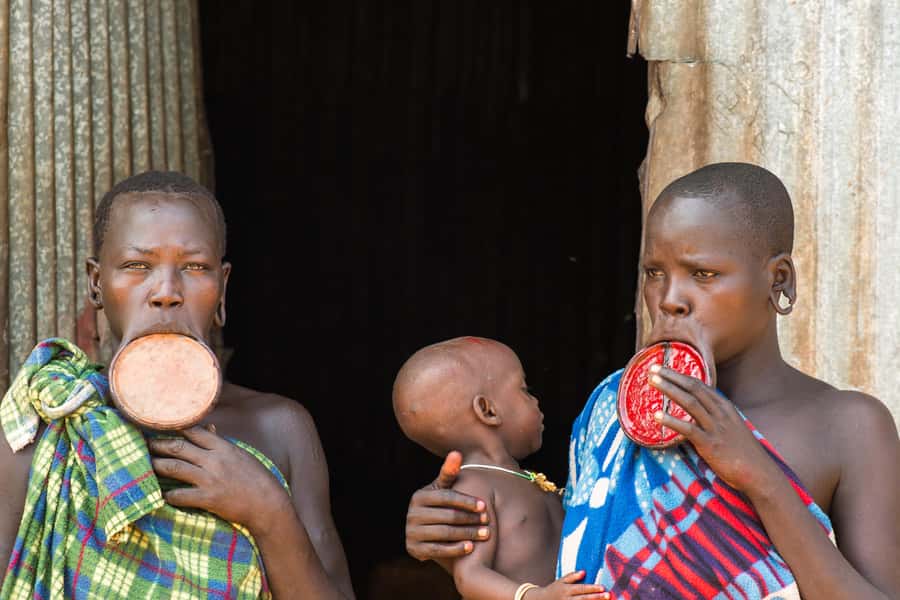
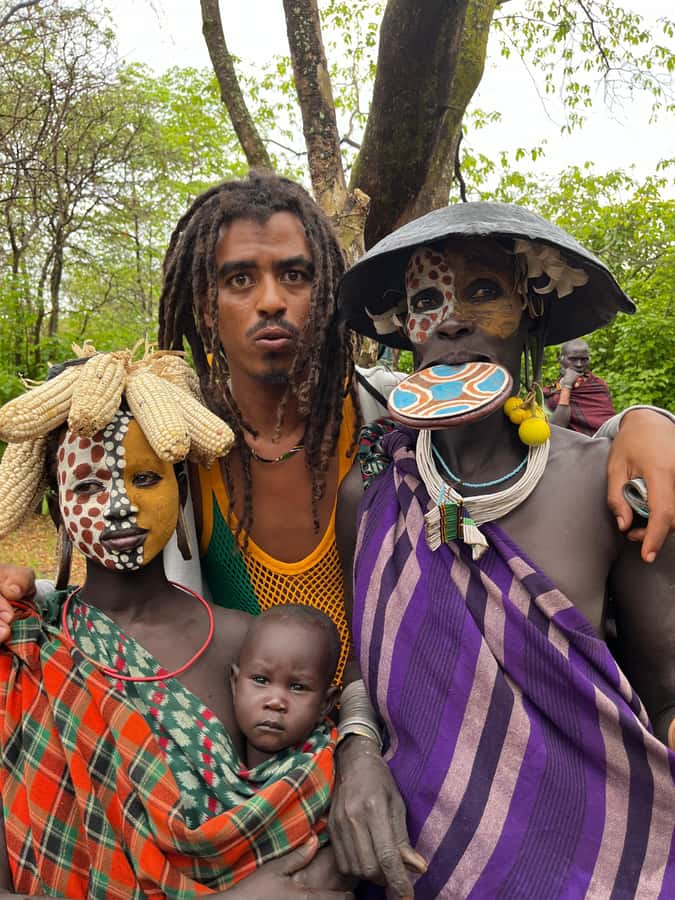
The Mursi are widely known for large lip plates and ear-lobe plates. These customs are often reduced to a single striking photograph, but the visit is more useful when you treat them as part of a living culture rather than a visual curiosity.
The tour description also explains a traditional cattle practice. Mursi men may take blood from a cow through a small opening made with an arrow, then use traditional medicine to help the wound close. The blood can be consumed without killing the animal. This is an unusual detail, but it should be approached with respect and without turning a daily food practice into a spectacle.
The return to Jinka marks the end of the basic three-day route. The stated departure arrangement allows final drop-off in Jinka, Semera, Mekelle, or Arba Minch Airport, depending on your plans. If you are connecting to Addis Ababa, confirm which airport fits your flight schedule and whether the transfer is included for your particular booking.
More omo valley tribal tours in Ethiopia:
- 6 Days Omo Valley Tribes Tours From Addis Ababa
★ 5.0 · 33 reviews - Lalibela, Axum, Danakil and Omo Valley 8 DAYS
★ 5.0 · 29 reviews - 3 Days Omo Valley Tour
★ 5.0 · 24 reviews - Danakil Depression, Lalibela, Omo Valley and Simien Mountains
★ 5.0 · 23 reviews
More than three tribes, if you have the time
The three-day program covers Hamar, Karo, and Mursi, while the Dimeka market can add contact with Bana, Dasenech, and Tsemay communities. One private trip also visited Dasenech and Ari communities, along with Hamar and Mursi.
That variety is a major strength, but the exact mix depends on your dates and route. The operator offers trips from two to seven days, and says longer private or group journeys can be planned for up to 20 days according to time and budget. If you want the widest cultural range, I would choose a longer private itinerary rather than trying to force every community into three rushed days.
Ask these questions before booking:
- Which tribes are included on my exact dates?
- Will the Dimeka market fall during my trip?
- Is the Hamar overnight camping or lodge-based?
- Is a bull-jumping ceremony expected, or simply possible?
- Which national parks are on my route?
- Where does the final night take place?
This keeps the experience clear and avoids assuming that every advertised community appears on every departure.
What the $500 price really covers
At $500 per person, the price is not just a guiding fee. It includes hotel pickup and drop-off, airport transfers from Jinka, entry to tribal villages, local guides, a park scout, three meals each day, unlimited mineral water, a boat crossing of the Omo River, lodging, and camping materials and fees.
That is a substantial bundle for a remote-area trip. Transport, food, park access, and local support can add up quickly, and the included scout is especially useful inside Mago National Park. The boat crossing is another practical inclusion, since it supports the river portion of the route without leaving you to arrange it separately.
The value depends on group size and final route. A private trip gives you more say over pace and stops, but the per-person cost may feel different from a shared departure. Small groups can offer a good middle ground. Ask whether the $500 price applies to the exact number of people in your party and whether flights to Jinka are separate.
Alcoholic drinks are not included. Bring some cash for personal needs, since the tour information specifically advises carrying money. Unlimited mineral water is included, so you do not need to budget for bottled water on the road, but a reusable bottle is still sensible.
Comfort, roads, and daily pace
The experience includes lodges and hotels, but it can also include camping. The accommodation standard therefore depends on the route you choose. One trip was completed with a comfortable car and accommodation, while the description also allows camping inside or near the Hamar area.
Expect road time between Jinka, Turmi, the Omo River area, Dimeka, and Mago National Park. The distances are not huge by world map standards, but remote roads make time less predictable. You will have a better day if you accept that the road is part of the outing rather than a gap between attractions.
Three meals a day and water are included, which removes two common worries in a remote region. Still, tell Kali about your needs when planning. The company offers private and small-group trips, and the guide is described as willing to adjust the route to individual wishes.
The tour is listed as wheelchair accessible, though camping, village paths, vehicle transfers, and park conditions can vary. If you use a wheelchair, describe your mobility needs in detail before booking so the operator can confirm what is practical on your chosen route.
A more responsible way to meet local communities
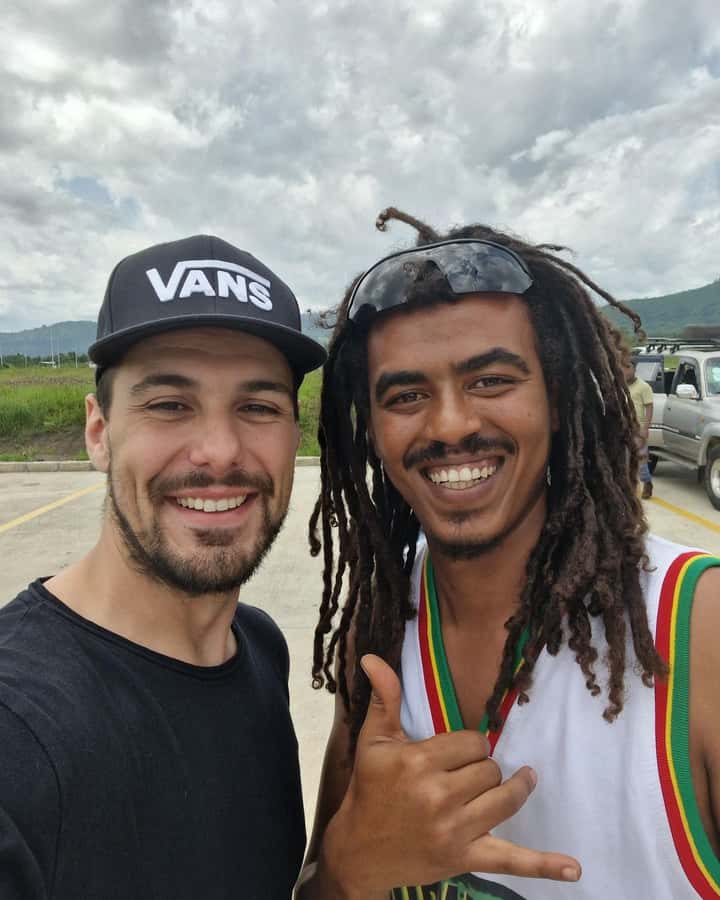
The Omo Valley raises real questions about cultural tourism, especially photography and the risk of treating people as scenery. Kali Omo Valley Tour says its work aims to be ethical, ecological, and sustainable, with fair wages and care for people, animals, and nature.
That goal is encouraging, but your conduct still matters. Ask before photographing people, listen to the guide’s instructions, and do not push for a better pose or repeat a request after someone refuses. At markets and village visits, buy only when you genuinely want the item, and remember that a respectful conversation is more valuable than a hurried checklist of pictures.
Kali’s background in the Jinka and Arba Minch area is useful here. A local guide can explain what you are seeing and help you avoid clumsy behavior. The strongest praise for the guiding came from the personal attention, environmental care, and concern for animals. That is exactly the sort of approach you want in a culturally sensitive area.
Guide style and language choices
The company lists live guiding in English, Amharic, Arabic, Chinese, Dutch, French, Italian, Japanese, and Spanish, with an optional English audio guide. Private and small-group formats are available.
Kali is the named guide connected with the company. Elias is identified as a driver on one three-day trip. If you prefer a specific guide, request that person in advance rather than assuming availability.
The most useful guide for this route is not simply someone who can point out a lip plate or body painting. You want someone who can explain context, manage timing, help with consent around photography, and keep the day calm when plans change. The available feedback highlights those exact strengths: personal service, strong regional knowledge, environmental awareness, and attention to individual needs.
Who should book this tour?
This is a good match for you if you want direct contact with southern Ethiopia’s communities and are willing to accept basic, changing conditions. It works particularly well for photographers, culturally curious visitors, solo explorers, families with flexible schedules, and people who prefer a private guide to a large organized group.
It is less suitable if you need a tightly timed schedule, upscale accommodation every night, or a guaranteed ceremony. Pregnant women are specifically listed as unsuitable for the activity, and anyone who finds long road journeys difficult should ask for a realistic daily driving plan.
The best choice for most people is a three-day private or small-group trip if time is tight. Choose more days if you want additional communities, more time in markets, or a slower pace. You can also arrange pickup in Addis Ababa, Arba Minch, Mekelle, or Semera, though you should confirm the exact transfer plan and any separate flight costs.
Should you book the Omo Valley tour?
Book it if you want an active cultural journey with a local guide, several communities, park access, meals, water, and transport bundled into one price. The Hamar ceremony, Karo body painting, Dimeka market, and Mursi visit give the short route real variety.
Do not book it on the hope of a guaranteed bull jump or a luxury trip. Confirm your exact tribes, market day, accommodation, group size, and final airport before paying. If Kali can match your dates and priorities, the $500 package offers strong value for a demanding but memorable corner of Ethiopia.
FAQ
How long does the Omo Valley tour last?
The tour can last from two to seven days. Private or group trips can also be arranged for longer periods according to your time and budget.
How much does the tour cost?
The listed price is $500 per person. Confirm whether the price changes with group size or a longer custom itinerary.
Which tribes can I visit?
The route can include Hamar, Karo, Mursi, Bana, Tsemay, Dasenech, and Ari communities. The exact combination depends on the length, dates, and route you arrange.
Is the Dimeka market included?
The itinerary includes the Dimeka market when the route is scheduled for Saturday. It is described as a weekly market attended by Hamar, Bana, Karo, Dasenech, and Tsemay people.
What is included in the price?
The package includes hotel and airport transfers, village entry fees, selected national park fees, local guides, a park scout, three meals daily, mineral water, a boat crossing of the Omo River, lodging, and camping materials and fees.
Where can pickup and drop-off be arranged?
Pickup can be arranged from Bole International Airport or a hotel in Addis Ababa, as well as Jinka, Arba Minch, Mekelle, or Semera airports. Final drop-off can be arranged in Jinka, Semera, Mekelle, or Arba Minch Airport.
Can I cancel or pay later?
You can cancel up to 24 hours in advance for a full refund. A reserve-now, pay-later option is also available.
Just added around Ethiopia
- Yod Abyssinia Cultural Night: Dinner, Music, and Dance★ 5.0 · 7 reviews
- 2 days Tigray Church★ 5.0 · 3 reviews
- 3 days tour Danakil Depression (Dallol & Erta Ale)★ 4.0 · 5 reviews
- Trekking in Ethiopia’s Lalibela Wollo Highland 4 Days / 3 Nights★ 5.0 · 6 reviews
- 2 Days Dallol Trip★ 5.0 · 4 reviews
- The Rock-Hewn Churches of Lalibela: 3 Days / 2 Nights★ 5.0 · 6 reviews
- Lalibela Backpacker tours★ 5.0 · 6 reviews
- Lalibela churches Guided Tour★ 5.0 · 6 reviews
Omo Valley Tribal Tours, compared.

6 Days Omo Valley Tribes Tours From Addis Ababa
Read our review →
Lalibela, Axum, Danakil and Omo Valley 8 DAYS
Read our review →

3 days around Arbaminch and Konso Adventure Tours Life Time
Read our review →Danakil Depression, Lalibela, Omo Valley and Simien Mountains
Read our review →


Browse the lists this tour appears in