
Reviewed · OMO VALLEY TRIBAL TOURS
From Jinka: Omo Valley Tribe 3-Day Tour
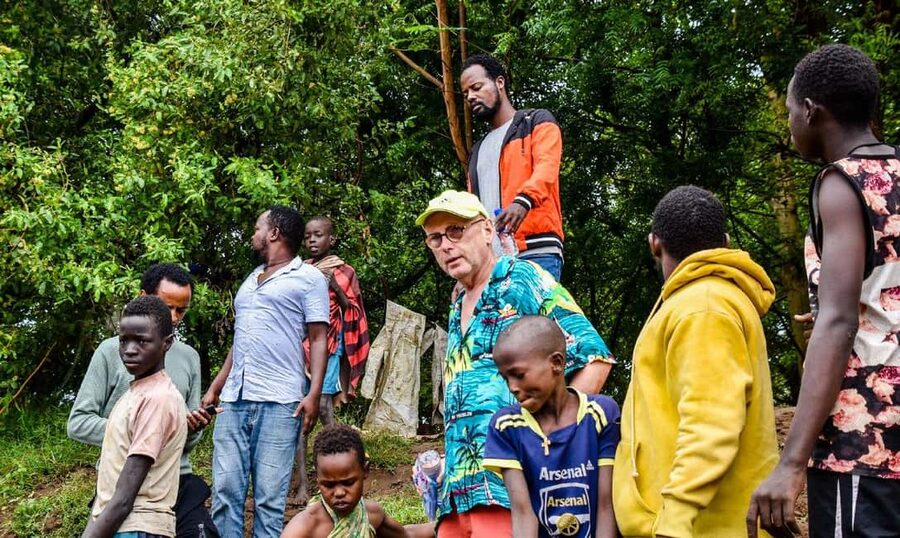
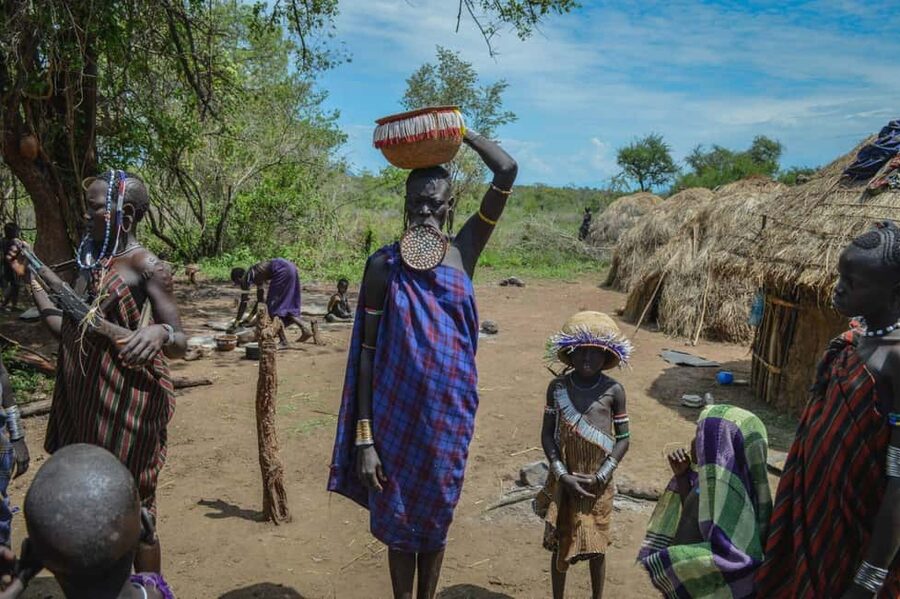
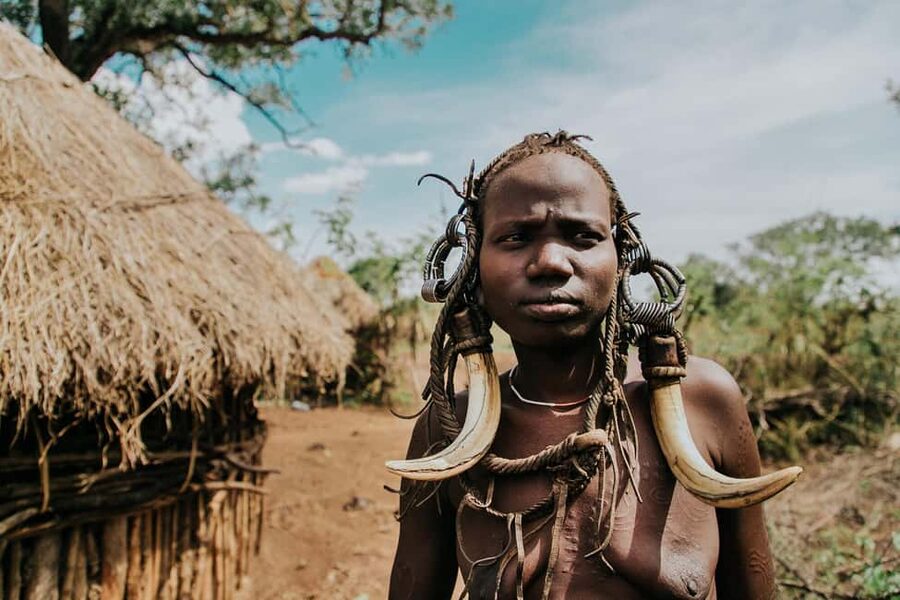
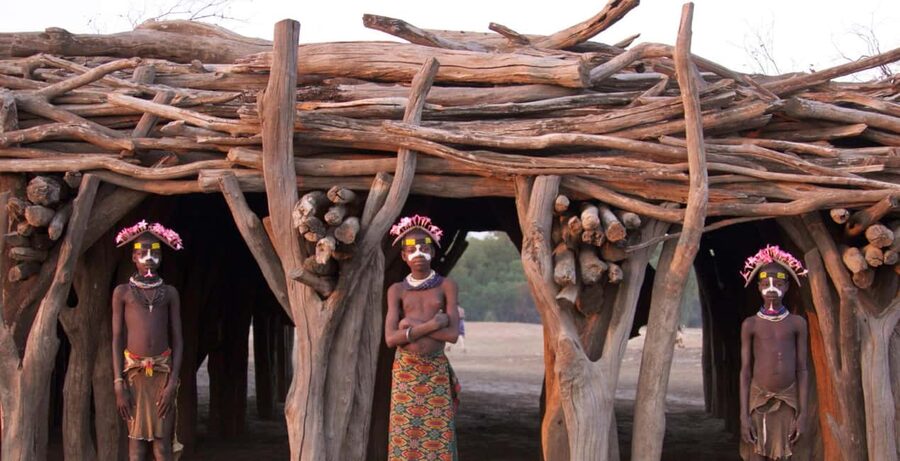
The most striking part of this three-day trip is the chance to meet communities whose customs remain closely tied to daily life in southwestern Ethiopia. In the villages, you may see Mursi women wearing lip plates or Karo boys with ash-painted faces, but the real value is the chance to listen, observe, and learn rather than simply collect photographs.
I like the combination of village visits and weekday markets, since it gives you two different views of the region: home life and commerce. I also like that the package includes a professional guide, driver, hotel breakfast, entrance charges, and scout fees, which removes several practical headaches. The main drawback is the $900 price, especially because lunch, dinner, domestic flights, and photograph fees are extra.
Key points to know before booking
- Mursi and Karo encounters: You may meet people known for lip plates and ash-painted faces, with photography handled as a separate paid matter.
- Mago and Omo parks: The tour combines cultural visits with protected natural areas, including Omo National Park, described as a UNESCO World Heritage Site.
- Three days from Jinka: The short format works well if you want a focused introduction, though the schedule may feel full.
- Markets add everyday detail: Weekday markets let you see buying, selling, and local goods beyond formal village visits.
- A guided road trip: A car, driver, professional guide, entrance fees, and scout fees are included.
- Plan for extra costs: Meals, domestic flights, alcohol, festival fees, and photo or video charges are not included.
Why the Omo Valley feels different
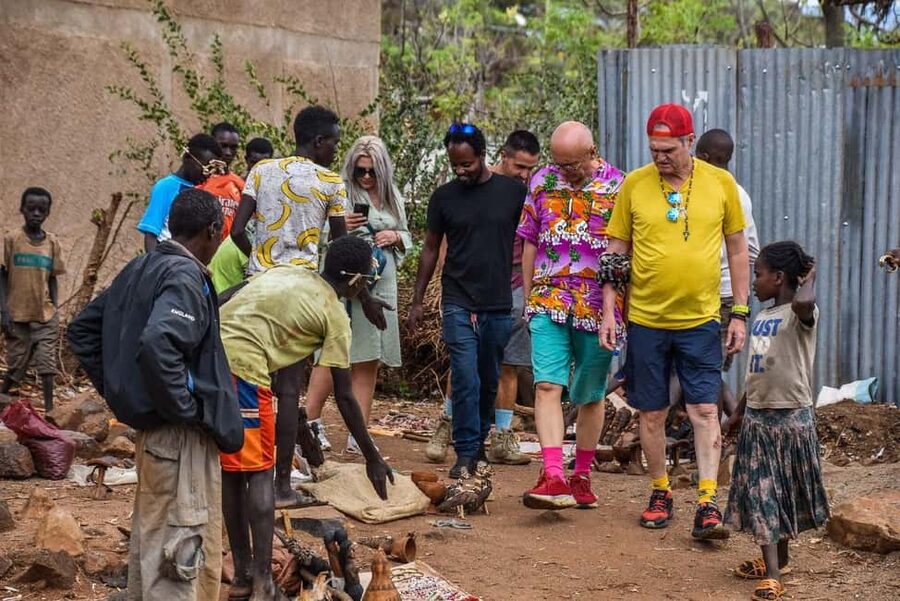
The Omo Valley is not a museum with people placed behind glass. It is a lived-in region where clothing, body decoration, painting, trade, and social customs remain part of ordinary life. That makes a visit rewarding, but it also asks you to behave with care.
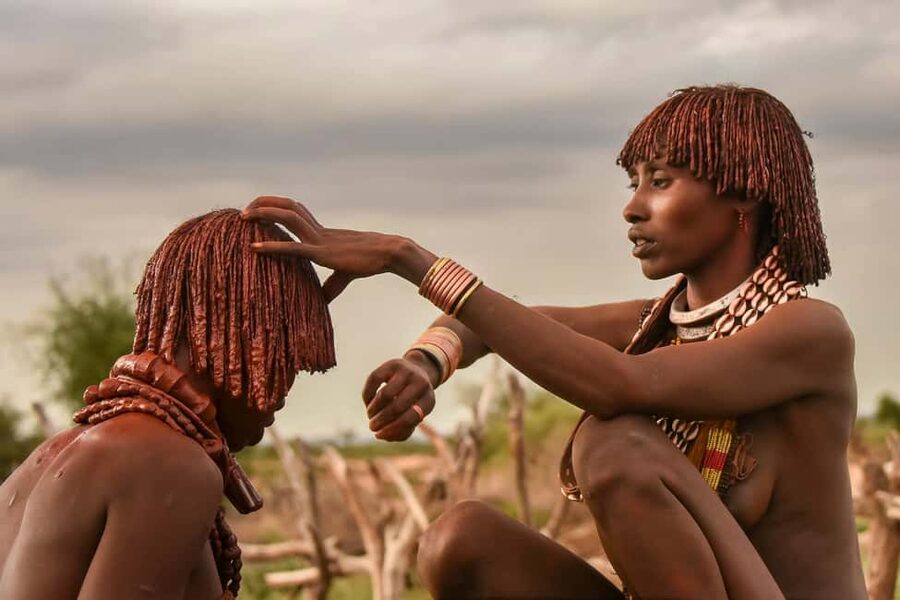
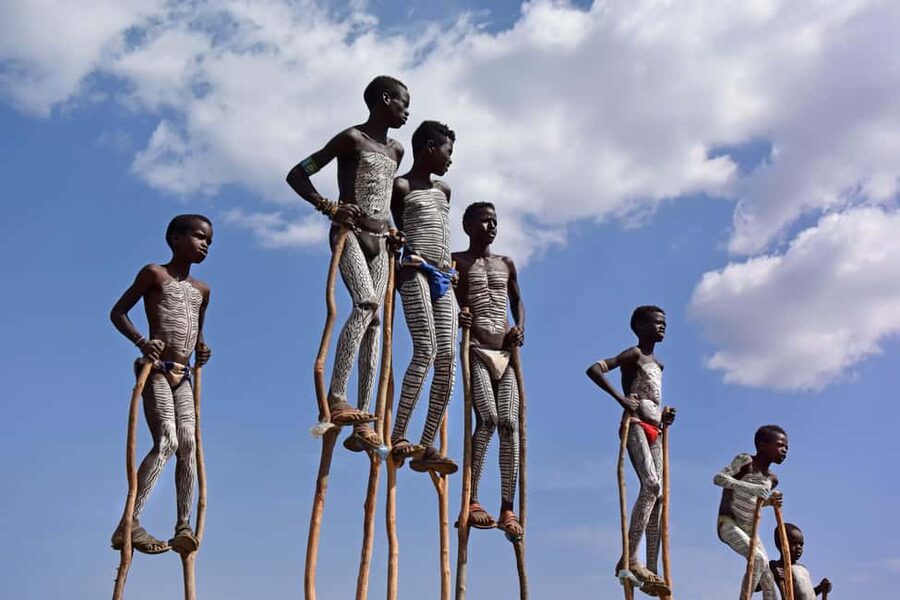
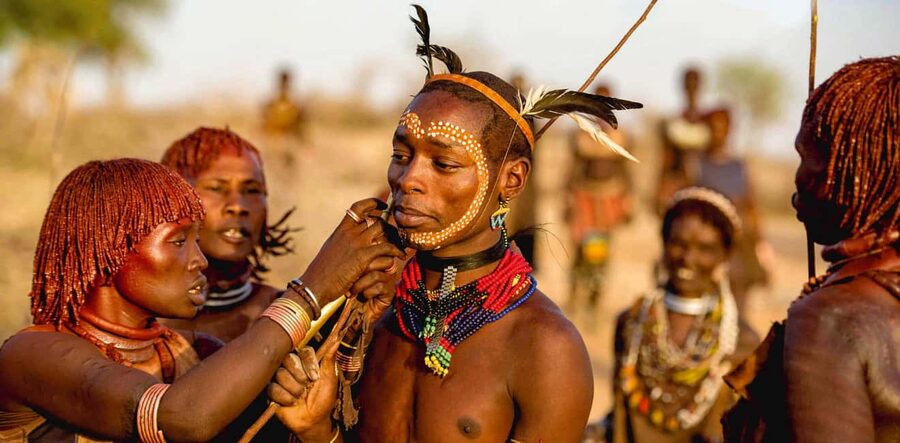
You are likely to encounter cultural details that are unfamiliar. Mursi women may wear lip plates, while young Karo men may use ash paint on their faces and bodies. These are not costumes designed for a tour. Your guide can help explain what you are seeing and how to approach people politely.
The tour description presents local communities as friendly, and the trip is designed around direct contact. Still, friendliness does not mean every person wants a photograph. Since photograph and video fees are not included, carry small cash and ask your guide about the proper process before taking pictures.
That point matters. A good Omo Valley visit should leave you with more than dramatic images. It should help you understand that each group has its own customs and that a respectful exchange is worth more than rushing through a village with a camera raised.
More Omo Valley Tribal Tours in Arba Minch
- 3 days around Arbaminch and Konso Adventure Tours Life Time
★ 5.0 · 24 reviews - 5 Day Private tour to the Omo Valley Tribes and Adventure Tour
★ 5.0 · 11 reviews - Omo Valley Tribes 6 Days Tours
★ 4.9 · 10 reviews
Starting from Jinka for three days
Jinka is the starting point for this tour, and the three-day length gives you a practical way to see several important sites without committing to a much longer expedition. You will need to provide your flight details before the trip, which allows the operator to coordinate the arrival and departure arrangements.
The tour includes a car with a driver. That is important in a region where distances between communities and parks can make independent planning difficult. You are not simply buying admission to a village or park. You are paying for transport, local coordination, and a guide who can place what you see into context.
The exact hour-by-hour schedule is not supplied, so you should ask for the final departure times and daily driving plan before you go. The route may depend on road conditions, local access, and the communities available on a particular day.
A professional guide is included, but no individual guide is named. If having a guide who speaks a specific language matters to you, confirm this in advance. French, Italian, Spanish, and Portuguese are listed among the available languages.
Village visits and the question of photography
The village visits are the heart of the trip. You can expect the focus to be on meeting local people and seeing customs connected with daily life. The Mursi and Karo are the best-known names attached to the experience, and their distinctive body decoration is likely to be one of the main visual memories.
The description specifically mentions posing for photographs with Mursi women and Karo boys. That opportunity comes with a cost: photo and video fees are excluded. You should carry cash and ask before photographing anyone, even when a pose appears to be part of the encounter.
I appreciate that the price does not pretend every expense is covered. It makes the base cost easier to understand, but it also means your final total can rise. If you plan to take many photographs, attend a cultural ceremony, or buy goods at markets, set aside extra money.
Do not assume that a village stop is a quick photo call. The best use of your time is to watch how people interact, notice the materials and objects around the homes, and ask your guide questions. You may find that the less obvious details tell you more than the famous visual symbols.
The trip is not suitable for people with no experience, according to the supplied practical guidance. That wording is broad, so ask the operator what it means for your own situation. It may signal that the route involves demanding conditions, unfamiliar cultural settings, or both.
Mago Park and Omo National Park
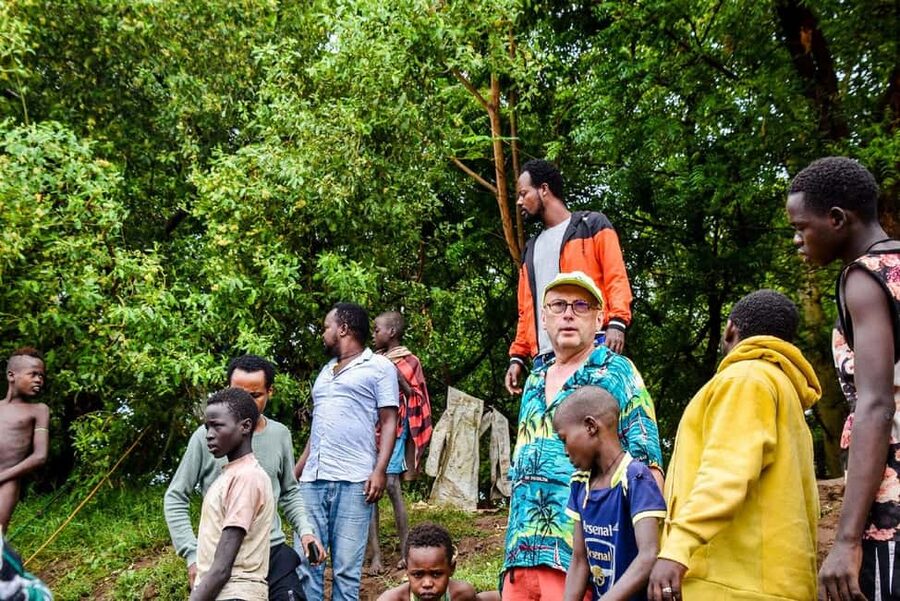
The itinerary includes visits to Mago Park and Omo National Park. This gives the tour a welcome change of pace. After spending time in villages and markets, you can turn your attention to open country and protected natural areas.
The supplied information describes Omo National Park as a UNESCO World Heritage Site. The park element is valuable because it shows that the region is not only about human culture. The Omo Valley has significance as a place where communities and natural areas exist side by side.
You should bring binoculars if you enjoy looking for wildlife or want a closer view of distant details. No particular animals are promised, so treat the park visits as opportunities for nature observation rather than a guaranteed safari.
Entrance and scout fees are included. That is a useful saving and also suggests that local access is being handled through the proper channels. Ask your guide what the scout fee covers and how much time you will spend in each park, since the supplied plan does not give exact durations.
A park visit can also make the three-day trip feel less repetitive. You are not spending every hour in one type of setting. The mix of village life, markets, roads, and protected areas creates a broader picture of the region.
More omo valley tribal tours in Ethiopia:
- 6 Days Omo Valley Tribes Tours From Addis Ababa
★ 5.0 · 33 reviews - Lalibela, Axum, Danakil and Omo Valley 8 DAYS
★ 5.0 · 29 reviews - 3 Days Omo Valley Tour
★ 5.0 · 24 reviews - Danakil Depression, Lalibela, Omo Valley and Simien Mountains
★ 5.0 · 23 reviews
Weekday markets in the Omo Valley
The local markets are one of the most useful stops for anyone who wants to see ordinary economic life. The tour specifically focuses on weekday markets, so the day you travel may affect which market you visit and what is available.
Markets show you a side of the Omo Valley that a village visit cannot. People come to buy and sell goods, meet others, and handle everyday needs. You can browse local products and perhaps find something to take home, but keep your purchases practical and respectful.
Carry cash. It is listed among the items to bring, and it will be useful for market shopping, photograph fees, and other expenses not included in the tour. The operator does not state which currencies or denominations are preferred, so ask before departure.
Market visits are also a good chance to rely on your guide. A guide can help you understand prices, explain what an item is used for, and avoid awkward bargaining. You should not treat the market as a performance staged for visitors. It is a working place first.
If your main interest is photography, markets may offer less predictable subjects than the villages. People may be moving quickly, and you still need permission before taking pictures. If your interest is daily life, however, the market may be one of the most rewarding parts of the trip.
What the $900 price really covers
At $900 per person, this is a substantial purchase. The right question is not simply whether it sounds expensive. Ask what you would have to arrange and pay for on your own.
The package includes hotel accommodation with breakfast, a car and driver, a professional guide, entrance fees, and scout fees. Those inclusions cover the core structure of a three-day guided trip. You are paying for a private travel framework rather than just a ticket to a single attraction.
The price does not include domestic flights. This may be the most important extra cost, depending on where you are coming from. Lunch and dinner are also separate, as are alcohol, photo and video fees, and admission to any cultural festival or ceremony.
That list makes the value fairly clear. If you want a guided route with transport and local access already organized, $900 may be reasonable for the convenience and coverage. If you already have transport, lodging, and local contacts, the price may feel less attractive.
I would ask for a written outline of the accommodation, the number of people in the car, and the precise route before paying. The information confirms that a hotel is included, but it does not name the hotel or describe the room standard. Comfortable accommodation is mentioned in the available experience details, but you should still confirm what comfort means for this particular booking.
Comfort, effort, and practical limits
This is not presented as a wheelchair-friendly tour. It is also not recommended for people with pre-existing medical conditions, insect allergies, or babies under one year. Those warnings deserve attention, since the trip includes outdoor parks, rural communities, and road travel.
You should bring your passport, camera, cash, and binoculars. Your passport is especially important for a multi-day trip that involves arranged transport and access to protected areas. Keep it secure and follow your guide’s advice about when it is needed.
Do not bring alcohol or drugs. Alcoholic drinks are also excluded from the price, and the tour rules clearly prohibit alcohol and drugs. Pack simply, with items you can carry easily in and out of the vehicle.
The guidance does not list clothing, insect protection, medication, or specific footwear. Since insect allergies are listed as a concern, ask the operator what conditions to expect and what precautions they recommend. Do not assume the tour provides personal medical or insect protection supplies.
The trip may suit an experienced, flexible adult who is comfortable with changing conditions and direct cultural contact. It may not suit someone who needs a fixed timetable, polished facilities, or a fully inclusive price.
How to make the most of your guide
Your guide is more than a person who points out the next village. Use the guide to ask about the meaning of local customs, the correct way to request a photograph, and the fees connected with images or ceremonies.
No guide name is provided, so contact Aman Ethiopia Tour & Travel before departure if you want to know who will lead your trip. You can also confirm language support, since French, Italian, Spanish, and Portuguese are listed.
A strong guide can help you avoid reducing the Omo Valley to its most famous images. Ask about the daily work, the market goods, the meaning of body decoration, and how local people want visitors to behave. Those questions can turn a short stop into a useful cultural exchange.
The available experience details describe the trip as tailored to personal interests, with remote communities, local customs, and scenic exploration included in the balance. I would still explain your priorities before arrival. Tell the operator if you care most about village time, markets, nature, photography, or a mixture of all four.
Booking details worth checking first
You can reserve the tour and pay later, which helps if you are still arranging flights. You must provide your flight details, so do not leave those out when you contact the operator.
Cancellation is allowed up to 24 hours in advance for a full refund. That is a useful safety net, but confirm whether your flight arrangements carry separate cancellation rules.
Ask these questions before you commit:
- Which hotel is included, and what room arrangement is provided?
- How many people will share the car?
- What are the daily departure and return times?
- Which weekday market is planned?
- Which cultural groups are expected on your dates?
- How are photograph and video fees collected?
- What does the scout fee cover?
- Are meals available to purchase during the route?
These questions do not undermine the spirit of the trip. They help you arrive prepared and avoid surprises over money, timing, or access.
Who should book this Omo Valley tour?
I would recommend this tour to you if you want a focused introduction to Omo Valley culture and prefer to have transport, accommodation, a guide, and park access arranged together. The three-day format is useful for a short Ethiopia itinerary, especially if your schedule begins or ends in Jinka.
It is also a good fit if you want more than village photographs. The combination of markets, Mago Park, Omo National Park, and local communities offers several ways to understand the region.
I would hesitate if you want an all-inclusive package. The $900 fee leaves out domestic flights, two daily meals, alcohol, photo and video charges, and cultural festival fees. Your final cost may be notably higher.
I would also hesitate if you have serious health concerns, insect allergies, mobility limits, or little experience with rural travel. The supplied warnings are direct, and you should take them seriously rather than hoping the conditions will be easier than expected.
FAQ
Where does the three-day Omo Valley tour start?
The tour starts from Jinka in Ethiopia.
What is included in the tour price?
The $900 price includes hotel accommodation with breakfast, entrance fees, scout fees, a professional guide, and a car with driver.
Are domestic flights included?
No. Domestic flights are not included in the tour price.
Are lunch and dinner included?
No. Lunch and dinner are separate expenses.
Does the tour include photo and video fees?
No. Photograph and video fees are not included. You should bring cash if you plan to take photographs.
Which parks are included?
The tour includes visits to Mago Park and Omo National Park.
What should I bring?
Bring your passport, camera, cash, and binoculars. You should also provide your flight details before the tour.
Can I cancel for a full refund?
Yes. You can cancel up to 24 hours in advance for a full refund.
Should you book it?
Book this tour if you want a guided, three-day introduction to Omo Valley communities, markets, and parks, and you value having the main transport and access costs arranged. Its strongest feature is the personal scale: village contact, local customs, and a guide who can help you understand what you are seeing.
Before booking, confirm the hotel, group size, daily route, guide language, and expected extra costs. If you arrive with realistic expectations, plenty of cash, and respect for photography rules, the tour can give you a meaningful look at one of Ethiopia’s most distinctive cultural regions.
More 3-Day Experiences in Ethiopia
- 3 Days Danakil Depression Tour
★ 4.5 · 135 reviews - 3 Days Danakil Depression Tours Via Semera
★ 5.0 · 47 reviews - 3 Day Danakil Depression Ertale and Dallol Tours
★ 5.0 · 44 reviews - 3 Days Dankile Depression group Tours
★ 5.0 · 40 reviews
Just added around Ethiopia
- Yod Abyssinia Cultural Night: Dinner, Music, and Dance★ 5.0 · 7 reviews
- 3 days tour Danakil Depression (Dallol & Erta Ale)★ 4.0 · 5 reviews
- 2 days Tigray Church★ 5.0 · 3 reviews
- Trekking in Ethiopia’s Lalibela Wollo Highland 4 Days / 3 Nights★ 5.0 · 6 reviews
- 2 Days Dallol Trip★ 5.0 · 4 reviews
- The Rock-Hewn Churches of Lalibela: 3 Days / 2 Nights★ 5.0 · 6 reviews
- Lalibela Backpacker tours★ 5.0 · 6 reviews
- Lalibela churches Guided Tour★ 5.0 · 6 reviews
Omo Valley Tribal Tours, compared.

6 Days Omo Valley Tribes Tours From Addis Ababa
Read our review →
Lalibela, Axum, Danakil and Omo Valley 8 DAYS
Read our review →

3 days around Arbaminch and Konso Adventure Tours Life Time
Read our review →Danakil Depression, Lalibela, Omo Valley and Simien Mountains
Read our review →


Browse the lists this tour appears in