
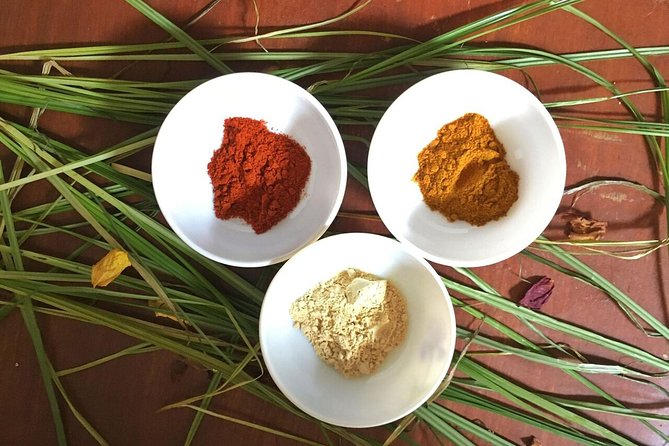
Reviewed · ETHIOPIAN COFFEE CEREMONIES
Ethiopian Cooking Class and Coffee Ceremony with a Local in Addis with transfers
Ethiopia’s food and coffee traditions come together in one home kitchen with Daniel and Tigist. You’ll help prepare injera, shiro or tibs, then roast coffee beans before sitting down for a proper coffee ceremony. It is a personal look at daily life, not a polished restaurant demonstration.
I like the hands-on format and the chance to ask Daniel about food, culture, history, and life in Ethiopia. I also like the hotel pickup and drop-off, especially since the home is in the hills on the outskirts of Addis Ababa. The main consideration is the price: at $154 per person, this is costly for a four-hour activity, though the private setting and included meal, drinks, transfers, and gratuities add real value.
Key points at a glance
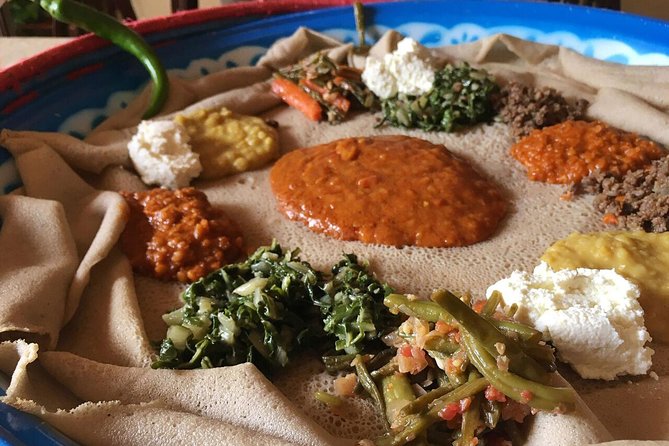
- Cook in a real Addis home: The class takes place in Daniel and Tigist’s home kitchen, not a commercial school.
- Learn the essential injera technique: Tigist shows you how to pour and cook Ethiopia’s famous spongy flatbread.
- Expect pan-Ethiopian food: The menu may include shiro, tibs, or another dish shaped by the season.
- Meet an experienced local host: Daniel has a master’s degree in Social Anthropology and has led trips around Ethiopia for more than a decade.
- Coffee is part of the meal, not an afterthought: You roast beans yourself and join a traditional Ethiopian coffee ceremony.
- Private transport keeps the afternoon simple: Hotel pickup and drop-off are included, with a 3:30 pm start.
A home kitchen instead of a cooking school
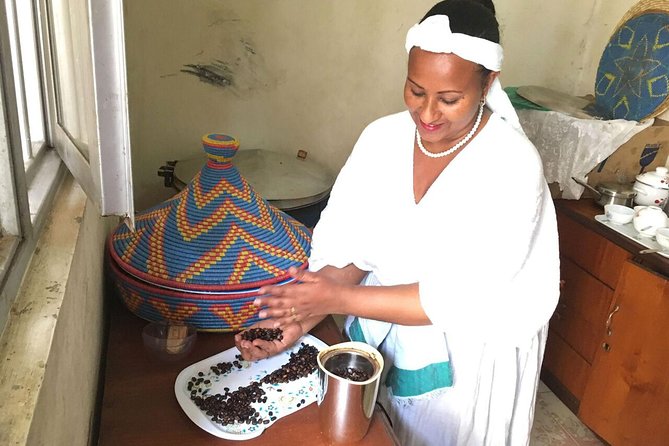
This experience begins with a hotel pickup in Addis Ababa and takes you to the home of Daniel and Tigist. That setting shapes the whole afternoon. You are not entering a teaching kitchen arranged for large classes, and you are not watching a chef perform from a distance. You are visiting a local family and cooking together in their home.
Tigist learned to cook by helping her mother as a child. After marrying Daniel, she ran her own kitchen and developed the practical skills that make this kind of lesson useful. She is the person who leads the cooking, while Daniel provides conversation and cultural context.
Daniel is from the Oromia region, as is Tigist, but the food is not limited to one local style. They enjoy cooking dishes from different parts of Ethiopia, so your meal may feel pan-Ethiopian rather than tied to one narrow regional menu. That is a plus if you want a broad introduction to the country’s food.
The family setting can also mean that Daniel and Tigist’s three sons join you if you visit on a weekend. That may add a warm, informal note to the afternoon, but it also means the atmosphere is family life rather than a quiet, carefully staged class. I see that as part of the point, though guests who want a formal lesson should keep their expectations in check.
More ethiopian coffee ceremonies in Addis Ababa:
- Ethiopian Culinary Tour – Market, Food, Coffee Ceremony & more
★ 5.0 · 65 reviews - Market Tour and Cooking Class with a Coffee Ceremony at a Home in Addis Ababa
★ 5.0 · 32 reviews - Ethiopian Culinary Tour – Market, Coffee Ceremony and More
★ 5.0 · 10 reviews
What the 1.5 to 2 hour cooking lesson covers
The cooking portion lasts about 1.5 to 2 hours. The exact menu can change with the season, and you should advise the hosts about allergies, dietary restrictions, and cooking preferences when you book.
The central lesson is injera, the soft, spongy flatbread used across Ethiopia as both food and serving surface. Tigist shows you how to pour the batter and cook it properly. This is one of the most useful things to learn because injera is not simply a side dish. It helps you understand how Ethiopian meals are eaten, shared, and arranged.
You may also prepare shiro, a stew made with chickpea or broad bean flour, or tibs, stir-fried meat cooked with vegetables and spices. These dishes offer two different introductions to Ethiopian cooking. Shiro is a filling option with a smooth, stew-like texture, while tibs gives you a chance to work with meat, vegetables, and seasoning in a hot pan.
The class is hands-on, but the supplied details do not promise that you will prepare every dish listed. Think of shiro and tibs as possible menu choices, with injera as the key lesson. If you want an additional dish, ask for it when booking. The hosts can try to include it, but the cooking session will take longer.
That timing matters. The full experience lasts about four hours, yet the cooking itself takes up to two hours. The remaining time covers transport, conversation, the meal, and coffee. If you want to add another recipe, do not schedule a tight evening plan afterward.
The coffee ceremony gives the afternoon its rhythm
Once the food is ready, you sit down to eat and take part in the coffee portion of the experience. You will learn to roast coffee beans yourself, then explore coffee’s place in Ethiopia, widely recognized as its birthplace.
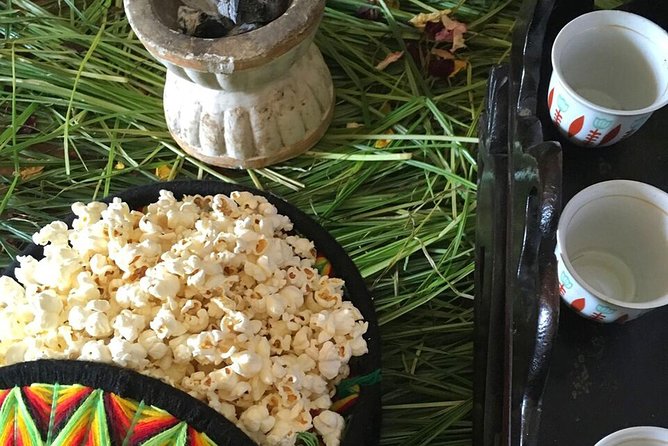
The roasting step is a useful touch because it shows where the ceremony begins. You are not simply handed a cup after the meal. You take part in preparing the beans, then move into a traditional coffee ceremony with your hosts.
Coffee is more than a drink in this setting. It creates time for conversation, and Daniel is well suited to that part of the afternoon. He speaks fluent English and enjoys talking about food, culture, politics, and Ethiopian history. He also has a background in Social Anthropology and has worked in tourism for more than ten years.
I would allow the conversation to guide the second half of the experience. You can ask questions about the dishes you have made, the Oromia region, or daily life in Addis Ababa. The coffee ceremony is likely to be most rewarding if you treat it as a shared social ritual rather than a quick tasting.
Coffee and tea are included, along with bottled water and the meal. Alcoholic drinks are not included. The description does not specify an alcohol service, so plan on the supplied nonalcoholic drinks.
Why the Addis setting matters
One particularly useful detail is the location in the hills on the outskirts of Addis Ababa. Hotel pickup removes the need to work out the route yourself, and the drive can give you a look at a part of the city that you might not otherwise reach.
The setting also helps explain why the transfer is part of the value. A cooking class near a central hotel district might be easier to reach independently, but this is a visit to a private home. Door-to-door transport makes the experience more practical and removes some of the uncertainty of getting back after an evening meal and coffee.
Still, pickup depends on having a hotel name and full address. Include those details when you book. The listed start time is 3:30 pm, so make sure you are ready at your hotel before then and leave room for city traffic.
Since the activity is private, only your group takes part. That gives you more control over the conversation and lets you ask for clarification without holding up a larger class. It also makes the $154 price easier to understand if you are traveling with a small group and can share the experience among several people.
More ethiopian cooking classes in Addis Ababa:
- Addis Ababa City Tours With Cocking Class of Ethiopian Food
★ 5.0 · 20 reviews - Ethiopia coffee cupping class/Ethiopian food injera making
★ 5.0 · 10 reviews - Local Ethiopian Food Tour
★ 4.0 · 7 reviews - Unique Ethiopian Cooking Class and Coffee Ceremony with a Local in Addis Ababa
★ 4.5 · 7 reviews
What the $154 price includes
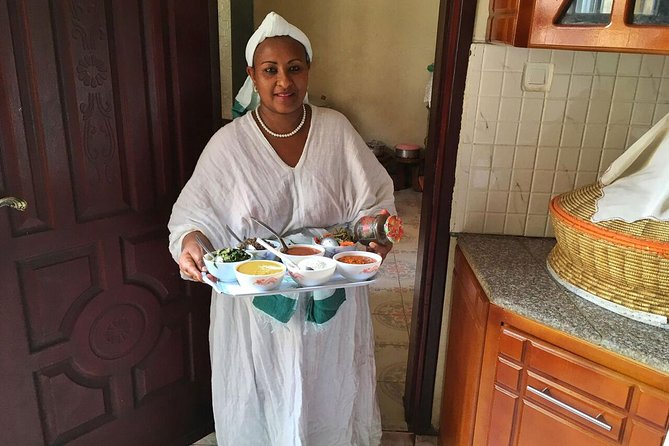
At $154 per person, this is not a budget food activity. You are paying more than you would for a standard group cooking lesson or a meal at a local restaurant.
The price includes hotel pickup and drop-off, a private cooking class, the meal, beverages, bottled water, coffee or tea, taxes, service charges, and gratuities. It also buys you time with two hosts rather than only a recipe demonstration. Daniel’s background in tourism and social anthropology adds value if you want cultural discussion along with the food.
For me, the key question is how much you value access to a private home. If your main goal is to eat Ethiopian food cheaply, this is not the best use of $154. If you want a personal introduction to Ethiopian cooking, coffee, and everyday culture in one afternoon, the package is more persuasive.
The price also makes more sense for a couple, family, or small group that wants a private outing. Group discounts are offered, though the exact discount is not stated. Ask about the group rate before booking rather than assuming a particular saving.
The meal itself is included, so you do not need to budget separately for lunch or dinner. Gratuities are also covered, which keeps the final cost clear.
Food choices, seasons, and dietary needs
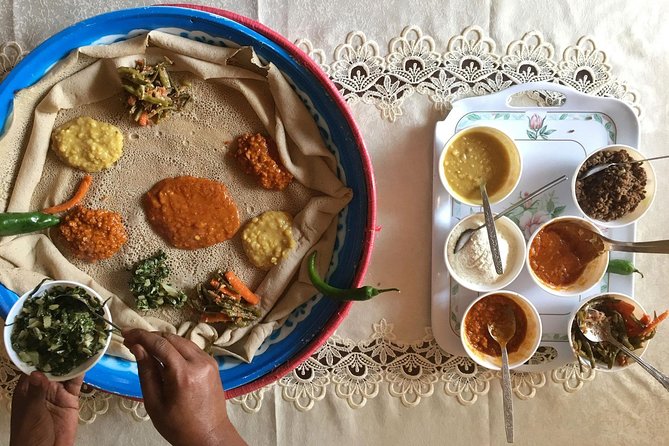
The menu can vary by season. That is normal for a home-cooked meal, but it means you should not book this expecting one fixed list of dishes. Shiro, tibs, and injera are named possibilities, not a guaranteed three-course menu.
Vegetarian food is available if you request it in advance. This is important because tibs commonly involves meat, while shiro can be suitable for a vegetarian meal depending on the preparation. Tell the hosts about allergies, restrictions, or strong preferences at the time of booking.
The same advice applies if you want to focus on a particular recipe. An additional dish may be possible, but it will lengthen the cooking period. I would request it early and keep the rest of your day flexible.
The experience is better suited to people who enjoy learning by watching, handling ingredients, and asking questions than to people who want a highly technical culinary course. The emphasis is on home cooking and cultural exchange, not professional kitchen certification.
The people make the experience personal
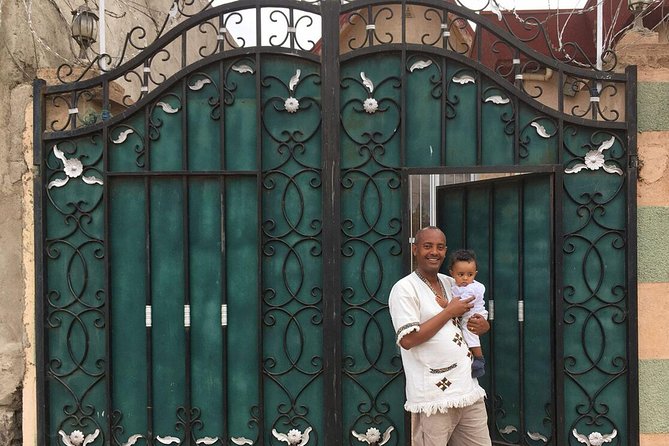
Daniel and Tigist are the heart of the afternoon. Tigist brings years of home cooking and teaches the practical work. Daniel adds context and keeps the discussion moving.
Daniel’s professional experience means he can speak to visitors from different cultural backgrounds and explain Ethiopian customs in clear English. His interest in subjects beyond food is useful if you want to connect the meal to broader questions about Ethiopia.
The family may be present on weekends, when their three sons might join you. That can make the visit feel more like an invitation into family life, but it also means you should not expect a silent, tightly timed demonstration. The setting is relaxed and human.
This personal element is also why the experience is different from a restaurant meal. A restaurant can introduce you to flavors, but it rarely gives you the chance to ask the cook why a dish is made a certain way or how food fits into family life. Here, the hosts are part of what you are paying for.
Who should book this experience
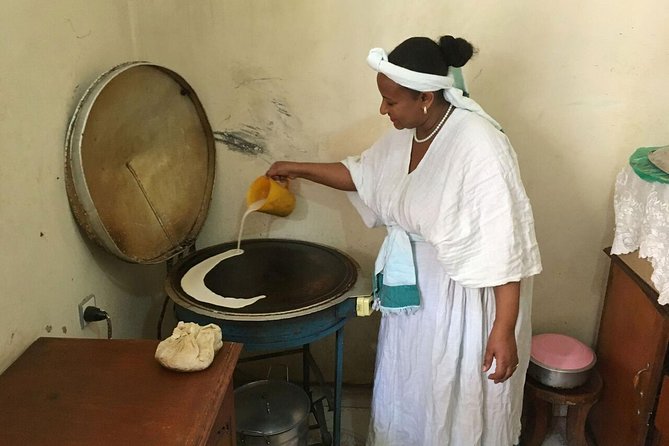
I would recommend it to you if you want more than sightseeing in Addis Ababa. It works especially well for:
- First-time visitors who want a clear introduction to Ethiopian food
- People curious about injera and unsure how it is prepared
- Coffee lovers interested in the roasting and ceremonial side of Ethiopian coffee
- Couples, families, or small groups who value a private setting
- Visitors with limited time who want food, culture, and transport in one outing
- Anyone who enjoys conversation with local hosts rather than a formal group lecture
It may be less suitable if you want a low-cost meal, a fixed menu, or an intensive chef-training session. The class is also not the right choice if you dislike flexible plans or the possibility of a family atmosphere.
The four-hour length is manageable for most schedules. With a 3:30 pm start, it can fill an afternoon and evening without taking up a full day. Still, the cooking time can run longer if you add another dish, so avoid booking an important appointment immediately afterward.
Practical advice before you go
Give the provider your hotel name and address when booking. Transfers are included, but the pickup depends on having accurate accommodation details.
Send dietary requests in advance. Vegetarian food is available, and the hosts ask for allergies, restrictions, and cooking preferences before the experience.
Expect the menu to change with the season. If you have your heart set on shiro or tibs, ask whether it is planned for your date rather than assuming both will be served.
Keep the evening open enough for conversation. Daniel enjoys discussing subjects ranging from food and history to politics, and the coffee ceremony is designed as a social experience.
The cancellation terms are strict inside two full days of the start time. Cancel at least two days in advance for a full refund. Cancellations or changes made within that period are not refunded or accepted.
Should you book the Addis Ababa cooking class?
Book it if you want a private, personal introduction to Ethiopian food and coffee, and if $154 fits your budget. The strongest parts are the home kitchen, Tigist’s instruction on injera, the chance to make a dish such as shiro or tibs, and the coffee roasting session with Daniel’s wide-ranging conversation.
Skip it if you are mainly looking for the cheapest way to eat Ethiopian food or if you need a tightly fixed schedule. For everyone else, the included transfers, meal, drinks, private format, and cultural exchange make this a useful choice for a short stay in Addis Ababa. It gives you food you can taste, techniques you can remember, and a better sense of the people behind the meal.
FAQ
Where does the cooking class take place?
The class takes place in Daniel and Tigist’s home kitchen in Addis Ababa. It is a visit to a local home, not a commercial cooking school.
What time does the experience start?
The listed start time is 3:30 pm.
How long does the experience last?
The full experience lasts about four hours. The cooking lesson itself takes about 1.5 to 2 hours.
Is hotel transportation included?
Yes. Hotel pickup and drop-off in Addis Ababa are included.
What dishes might I learn to make?
You might learn to make injera and either shiro, a chickpea or broad bean stew, or tibs, stir-fried meat with vegetables and spices. The menu can vary by season.
Can I request vegetarian food?
Yes. A vegetarian option is available, but you should request it when booking.
Can I request another dish?
You can ask for an additional dish in advance. Adding another recipe will extend the cooking time.
Is coffee included?
Yes. You will roast coffee beans and take part in a traditional coffee ceremony. Coffee and tea are included.
Is this a private activity?
Yes. Only your group participates in the experience.
What is the cancellation policy?
You can receive a full refund if you cancel at least two full days before the start time. Cancellations or changes made within two full days are not refunded or accepted.
More Coffee Experiences in Addis Ababa
- Vintage Coffee Shops, Restaurants, Sightseeing in Addis Ababa
★ 5.0 · 17 reviews - Coffee Cupping Tour in Addis Ababa
★ 5.0 · 5 reviews - Addis Ababa City Experience : Markets, Coffee & Local Life
★ 4.8 · 5 reviews - Lalibela: Churches Full-Day Private Tour w/Coffee Ceremony
★ 4.7 · 5 reviews
More Cooking Classes in Addis Ababa
- Addis abeba Full Cooking class.
★ 5.0 · 6 reviews - Private Ethiopian Home Cooking Class in Addis Ababa with Transfer
★ 5.0 · 5 reviews
Just added around Addis Ababa
- Yod Abyssinia Cultural Night: Dinner, Music, and Dance★ 5.0 · 7 reviews
- Stunning Views Wonchi Crater Lake a Private Day Trip★ 5.0 · 3 reviews
- Locally crafted beer and wine tasting and nightlife in Addis tour★ 5.0 · 6 reviews
- Two days Lake Wenchi and Menagesha Forest★ 5.0 · 3 reviews
- 3-Day Cultural Tour in South Omo Valley★ 5.0 · 4 reviews
- Addis Ababa City Tours Full-Day Tours★ 5.0 · 5 reviews
- South Omo Valley Tribes 8 Days Tour Package★ 5.0 · 4 reviews
- Day Trip to Tiya UNESCO Site & Melka Kunture Archaeological Site★ 4.5 · 3 reviews
Ethiopian Coffee Ceremonies, compared.
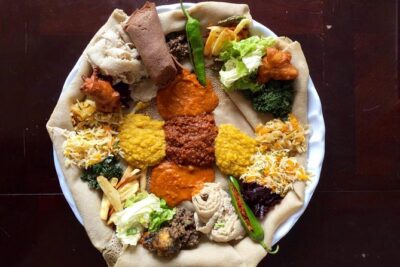
Ethiopian Culinary Tour – Market, Food, Coffee Ceremony & more
Read our review →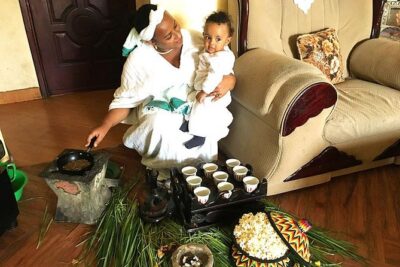
Market Tour and Cooking Class with a Coffee Ceremony at a Home in Addis Ababa
Read our review →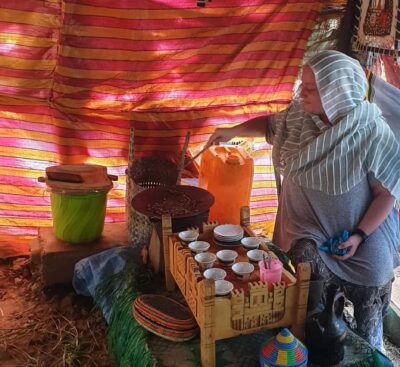
Ethiopian Culinary Tour – Market, Coffee Ceremony and More
Read our review →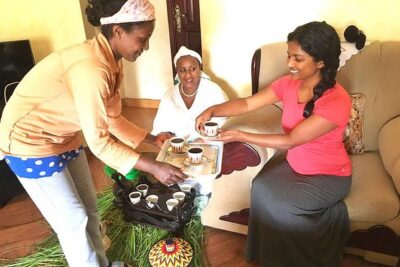
Unique Ethiopian Cooking Class and Coffee Ceremony with a Local in Addis Ababa
Read our review →
Churches Full-Day Private Tour w/Coffee Ceremony
Read our review →Browse the lists this tour appears in