
Reviewed · ETHIOPIAN COOKING CLASSES
Ethiopia coffee cupping class/Ethiopian food injera making
Ethiopian coffee and injera are not just foods to sample. They are daily rituals, social customs, and useful keys to understanding the country. This four-hour Addis Ababa experience lets you taste coffee with a local expert, then make the sourdough flatbread yourself before sitting down to eat it with shiro and misir wot. I especially like the hands-on format and the chance to see how food connects with Ethiopian family and community life. I also like that guides such as Aelaf, Joe, Mike, and Jonas take time to explain the city and adjust the day to your interests.
The main consideration is timing. The listed coffee session lasts about 45 minutes and the cooking instruction about 30 minutes, so much of the four-hour outing includes transport, the meal, the ceremony, and time with your guide. If you want a long professional cooking course, this is not it. If you want a personal introduction to two major Ethiopian traditions, it offers good value at $94 per person.
Key points to know before booking
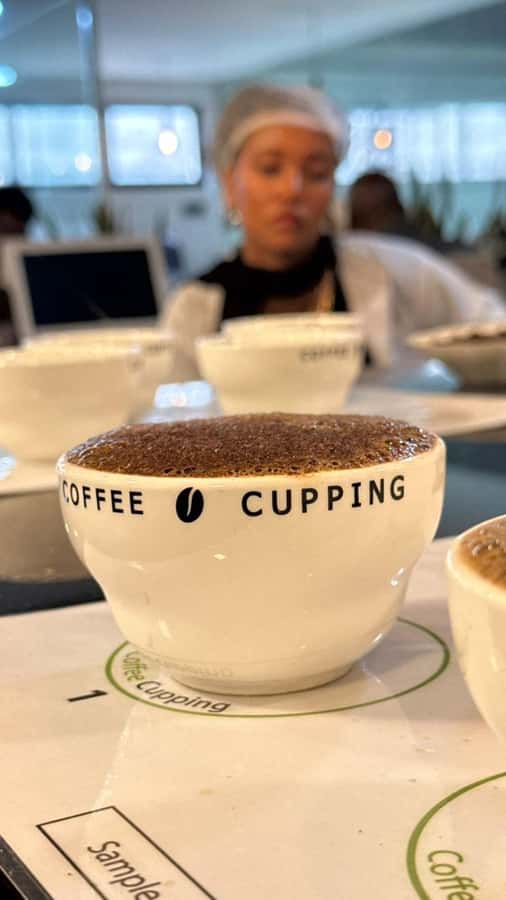
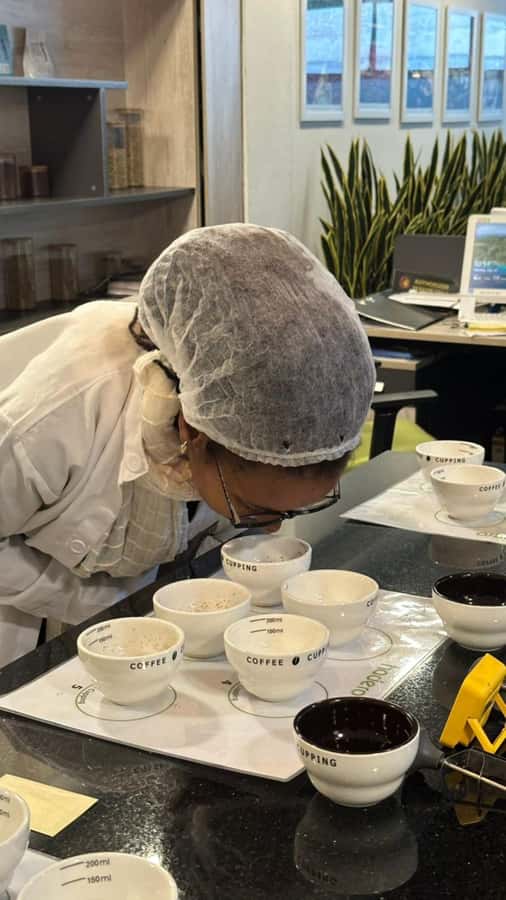
- Taste coffee by growing region and roast level: A local coffee expert explains aromas, flavors, processing, and brewing methods during the cupping session.
- Make injera on a traditional mitad: You mix, ferment, and bake the bread, then learn how to flip it without tearing it.
- Eat what you make: Your handmade injera comes with Ethiopian dishes including shiro and misir wot.
- Meet the culture through a private guide: Pickup and transport are arranged from Addis Ababa, with an English-speaking host for your group.
- Expect more than a cooking lesson: The day can include city views, local life, and extra stops when time and your plans allow.
- Plan for a mature audience: The experience is not suitable for children under 15 or people dealing with altitude sickness.
Why coffee and injera make such a good Addis Ababa pairing
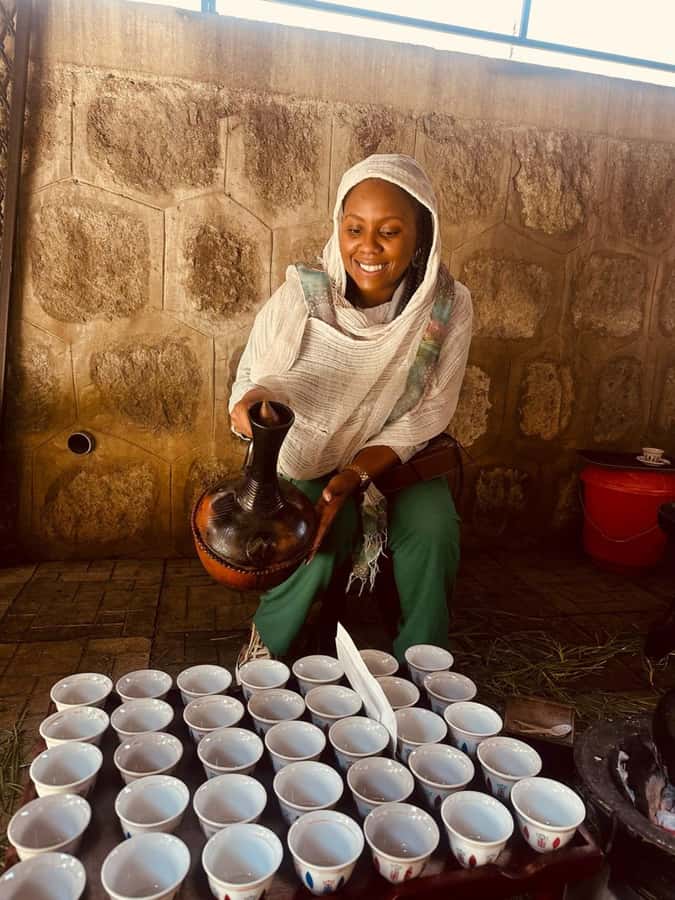
Coffee and injera tell two different parts of the Ethiopian food story. Coffee offers a close look at farming, roasting, tasting, and ceremony. Injera shows you how a staple food is prepared, served, and shared.
You begin with a guided coffee cupping session. This is more focused than simply drinking a cup at a café. You compare varieties and look for differences in smell, taste, roast, and brewing style. The session also covers Ethiopia’s coffee-growing regions and the language used to describe tasting notes.
That makes this useful for beginners and coffee fans alike. You do not need to arrive knowing the difference between processing methods or roast levels. The local expert guides you through what to notice, so you can leave with a better sense of why Ethiopian coffee is famous.
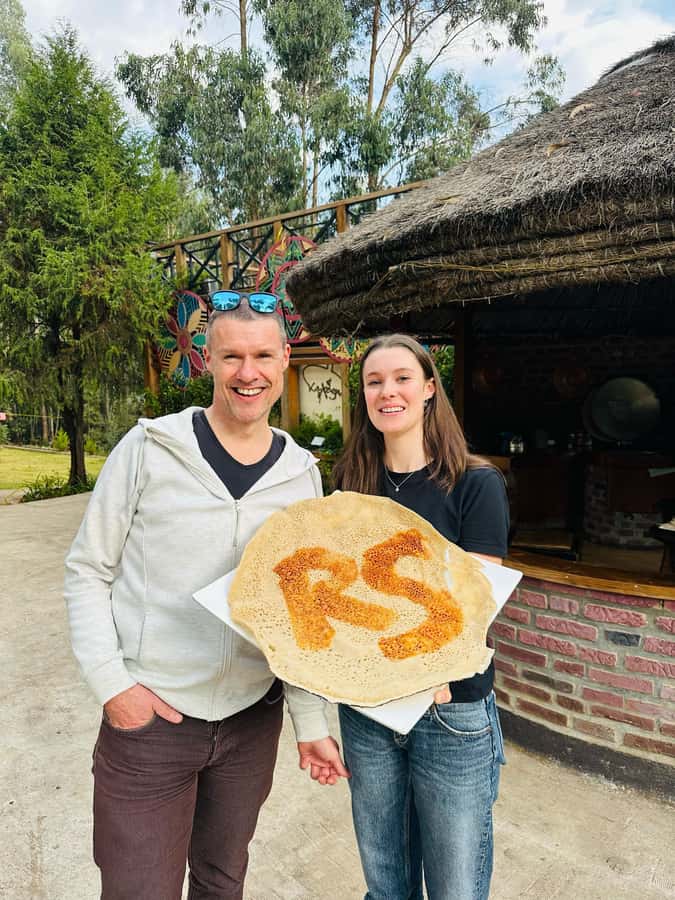
The injera class gives the experience a practical second half. You work with the batter, learn about fermentation, and watch it cook on a mitad, the broad griddle used for injera. The bread is soft, spongy, and slightly sour, with a texture made for scooping up food.
The best part is that you do not stop at watching. You help prepare the bread and then eat it with traditional dishes. Food becomes the lesson, not just the reward at the end.
More ethiopian cooking classes in Addis Ababa:
- Market Tour and Cooking Class with a Coffee Ceremony at a Home in Addis Ababa
★ 5.0 · 32 reviews - Addis Ababa City Tours With Cocking Class of Ethiopian Food
★ 5.0 · 20 reviews - Ethiopian Cooking Class and Coffee Ceremony with a Local in Addis with transfers
★ 5.0 · 14 reviews
Pickup in Addis Ababa and the shape of the day
Pickup is included in Addis Ababa, and the provider reaches out the day before to organize the details. That advance contact matters in a city where traffic and long drives can affect the pace of a half-day outing. You should reply clearly with your hotel or pickup point and any timing needs.
This is a private group experience, so you are not placed with a large mixed crowd. That gives you room to ask questions and request a little more explanation when a process moves quickly. It also helps if you want to discuss other parts of Addis Ababa during the drives.
The four-hour duration includes more than the two core lessons. The advertised schedule gives about 45 minutes to coffee and 30 minutes to cooking instruction, followed by food, ceremony, transport, and guide time. One recorded outing included a drive toward Entoto and extra sightseeing, but you should treat additional stops as dependent on the day rather than guaranteed parts of the package.
The guide is one of the biggest factors in how much you get from the experience. Aelaf, also called Ale, has been praised for early pickup, safe driving, translation during the injera class, and explanations of city life, religion, and culture. Joe has taken visitors to coffee facilities and helped them understand the process. Mike is known for careful attention and for sharing personal stories about Ethiopia. Jonas has been singled out for punctuality, clear English, and easy conversation.
You may not receive the same guide, but these names show the kind of hosting the experience aims to provide: practical, personal, and flexible.
Coffee cupping at Hadero and the craft behind the cup
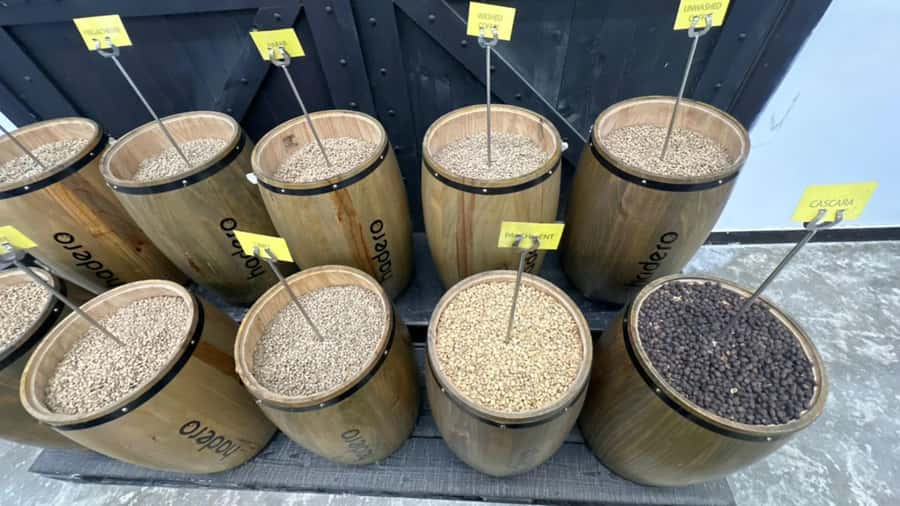
The coffee portion may take place at Hadero, according to one of the reported outings, while the exact meeting point can depend on the day’s arrangements. There, you learn about coffee from cultivation through processing, quality control, roasting, and tasting.
That wider view is valuable. Many coffee tours focus only on the final drink. Here, you get a sense of how much work comes before the cup reaches your table. The session introduces coffee varieties and growing regions, then moves into the sensory side of tasting.
You will be guided to notice aromas and flavors rather than simply decide if you like a particular brew. Roast level also changes the character of coffee, and comparing cups helps make that clear. The expert can explain the basic terms without requiring you to speak like a coffee professional.
The session is listed at 45 minutes, which is enough for an introduction but not a full barista course. You should expect tasting and explanation, not a long lesson in espresso extraction or café management. The strength here is cultural context and comparison.
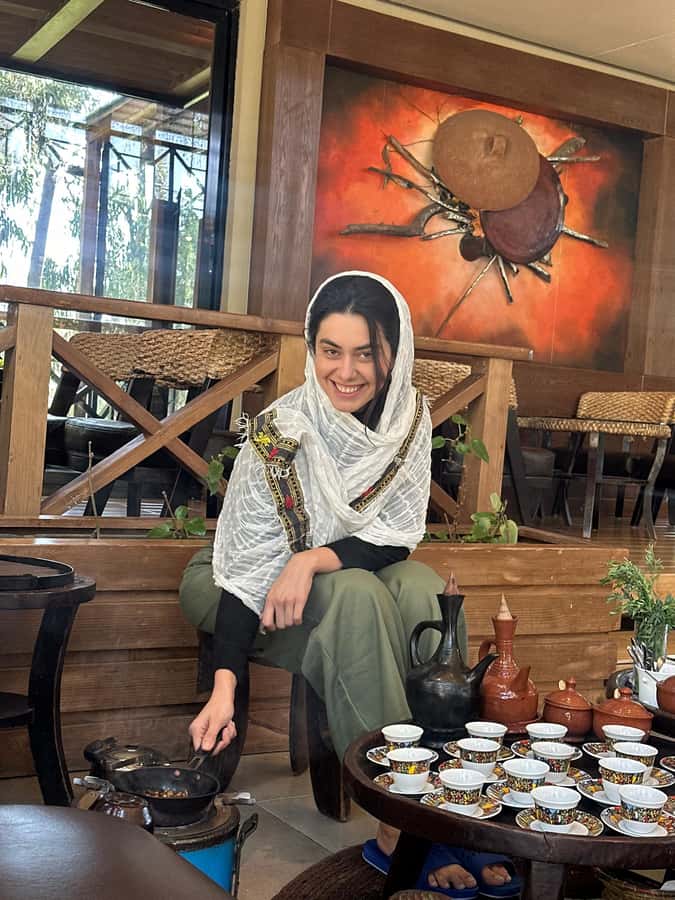
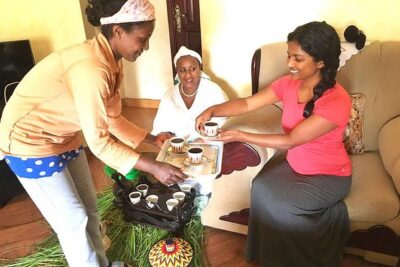
The traditional coffee ceremony later in the experience adds another layer. It is slower and more social than a quick cup on the go. You have time to sit, taste, and talk after the cooking and meal. For me, that closing ritual is important because it links the technical side of coffee to its place in Ethiopian daily life.
If you are sensitive to caffeine, keep in mind that the experience includes a cupping session and a traditional ceremony. The supplied information does not specify how many cups you will drink, so ask your guide if you need to limit your tasting.
Making injera on the mitad
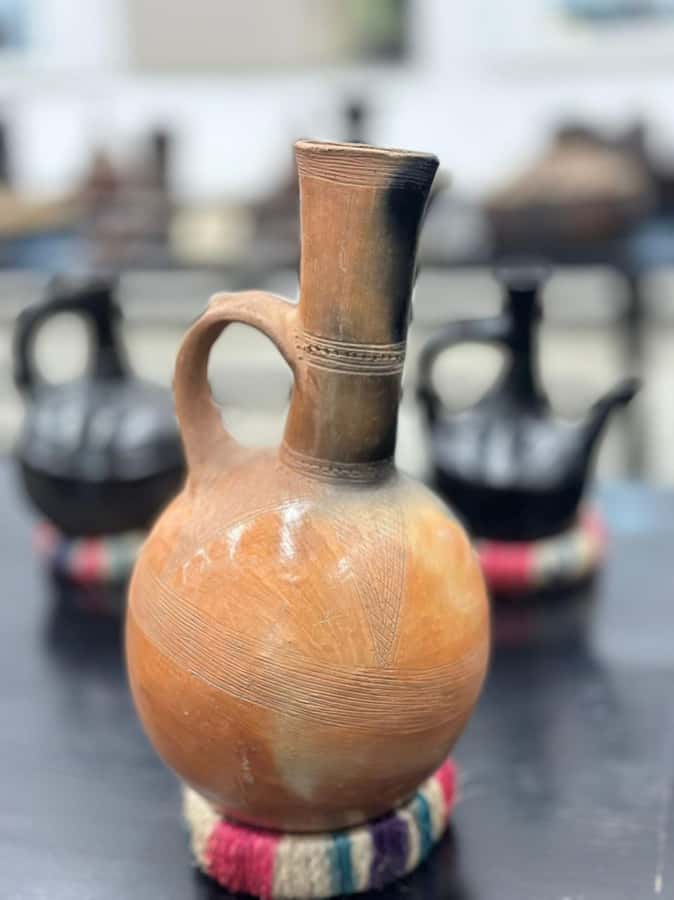
The cooking class takes place in a comfortable indoor or outdoor kitchen setting. You receive the ingredients, spices, and equipment, then work through the basic steps of preparing injera.
The process includes mixing, fermentation, and baking. Fermentation is what gives injera its distinctive sour taste and flexible texture. Since the full fermentation process takes time, you should understand that a half-day class is an introduction to the method rather than a chance to start with batter and wait for a complete multi-day process from beginning to end.
The cooking itself happens on a traditional mitad. You learn how to spread the batter and flip the bread once it has cooked properly. That final motion can be tricky, and the guide or local instructor helps you understand the right moment to handle it.
One practical point: the injera lesson has been described as relatively quick. The value comes from taking part and seeing the method up close, but you should not book this expecting a detailed culinary certification or a long sequence of separate recipes.
Still, making even one piece yourself changes the way you eat the meal afterward. You notice the texture, the heat, and the care needed to get the bread right. The activity also gives you a better idea of why injera works so well as both plate and utensil.
A few more Addis Ababa trips to weigh up
- Ethiopian Culinary Tour – Market, Food, Coffee Ceremony & more
★ 5.0 · 65 reviews - Vintage Coffee Shops, Restaurants, Sightseeing in Addis Ababa
★ 5.0 · 17 reviews - Ethiopian Culinary Tour – Market, Coffee Ceremony and More
★ 5.0 · 10 reviews - Unique Ethiopian Cooking Class and Coffee Ceremony with a Local in Addis Ababa
★ 4.5 · 7 reviews
Lunch with shiro, misir wot, and handmade bread
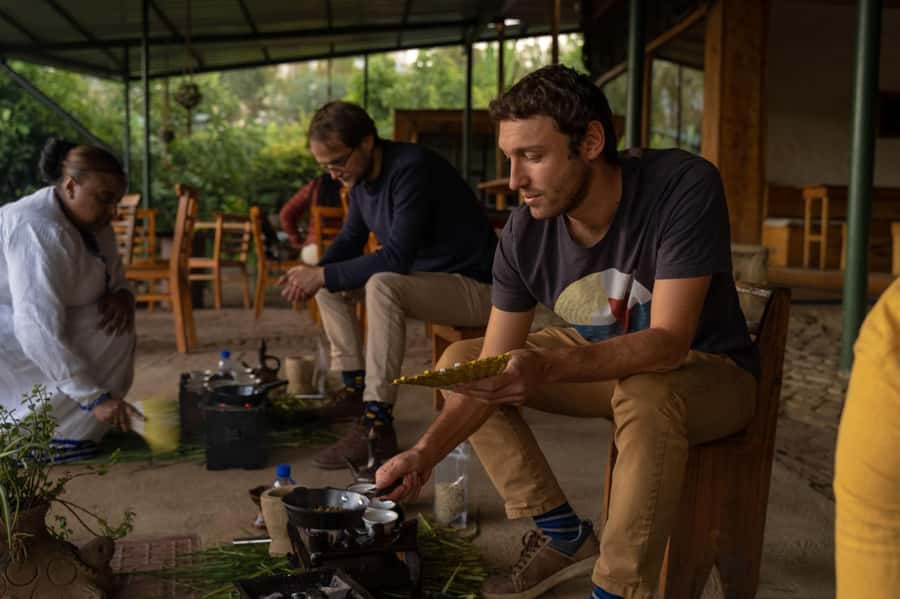
Once the injera is ready, you eat it with a selection of Ethiopian dishes. Shiro and misir wot are specifically included, along with other local sides.
Shiro is a ground chickpea or pea-based stew, while misir wot is a spiced lentil dish. The exact selection beyond those named dishes can vary, but the meal gives you a useful introduction to the sauces and stews commonly served with injera.
You tear off a piece of injera and use it to pick up the food. This is a shared style of eating, so the meal feels less formal than a plated Western lunch. Your guide can help if you are unfamiliar with the technique.
The meal is included in the $94 price, as are the ingredients, cooking tools, tasting equipment, bottled water, and coffee ceremony. That matters when judging value. You are paying not only for transport and a meal, but also for private guiding, instruction, and access to a local kitchen setting.
The food may be a particular advantage for vegetarians, since shiro and lentil dishes are central Ethiopian choices. However, the supplied details do not promise a specific dietary menu, so you should discuss allergies or restrictions when the provider contacts you.
The coffee ceremony as the social finale
The coffee ceremony gives the day a calm ending. After the cupping and cooking, you are no longer trying to identify tasting notes or manage a hot griddle. You can sit with your coffee, eat, and talk with your host.
This is where the experience shifts from demonstration to conversation. Guides have used the drives and meal to explain city life, religion, local customs, and daily routines. If you are curious, ask questions. A private group makes it easier to guide the conversation toward subjects that matter to you.
The ceremony also helps explain why coffee in Ethiopia is more than a morning drink. It is connected with welcome, conversation, and time spent together. You may already know Ethiopian coffee from cafés at home, but the ceremony provides a different setting and pace.
The description also refers to learning about the traditional technique of milking, but it does not give a clear schedule or detailed instructions for that part. I would not book this specifically for a milking activity. The dependable features are the coffee tasting, injera class, meal, and ceremony.
What the guides add beyond the kitchen
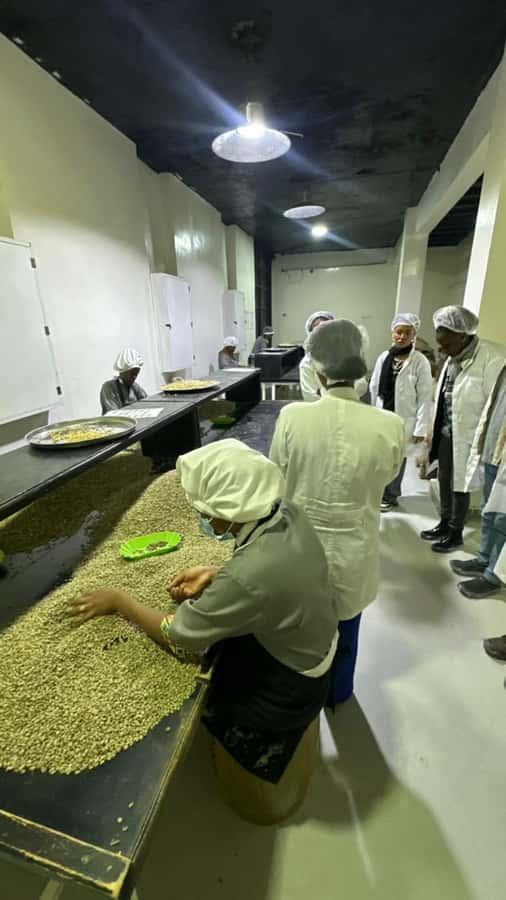
The strongest part of this experience may be the human contact. The guides are not presented as people who simply drive you from one stop to the next. They help translate, explain, coordinate, and adjust the day.
Aelaf has arranged changes to suit a visitor’s plans and added stops such as Menelik Palace and the church museum when requested. Joe has included views from Entoto and a honey shop on some outings. Mike has adapted plans when circumstances changed and introduced visitors to people in his circle.
Those additions are not guaranteed, and they should not be counted as included attractions. Still, they show why a private guide can be more useful than a fixed group tour. You can ask for more city explanation, more time at the food activity, or a practical stop that fits your schedule.
Jonas has been praised for being on time, polite, and easy to speak with. That matters in Addis Ababa, especially if you are visiting for a short stopover and want to use four hours well.
The guides also serve as a bridge when the cooking instruction moves quickly or takes place in Amharic. English is the tour language, and translation is available during the class. You should still feel free to ask for a slower explanation of any step you want to repeat at home.
How the $94 price measures up
At $94 per person, this is not the cheapest way to eat lunch in Addis Ababa. It can be a fair price if you value private transport, a guide, coffee instruction, hands-on cooking, lunch, and the ceremony in one half-day.
The value is strongest for first-time visitors. You get an introduction to food, coffee, local customs, and parts of the city without having to arrange several separate visits. Bottled water, ingredients, equipment, and cooking tools are already covered.
The value is weaker if you mainly want a long cooking course. The listed cooking instruction lasts only 30 minutes, and the coffee session lasts 45 minutes. Much of the remaining time is built around transport, eating, conversation, and the wider outing.
Free cancellation up to 24 hours before the start gives you some flexibility, and you can reserve now and pay later. Starting times vary, so check availability before building the experience around a flight or another fixed appointment.
Who should book this experience
I would recommend it most strongly to:
- Coffee drinkers who want to understand Ethiopian coffee beyond café tasting
- Food-focused visitors who prefer making part of a meal instead of only eating it
- First-time visitors to Addis Ababa who want cultural explanation during the drives
- Couples, friends, and families with teenagers aged 15 and older
- Visitors with a free half-day who want a private, guided introduction
You should think twice if you dislike shared meals, spicy food, coffee, or hands-on kitchen work. The experience is also not suitable for children under 15 or people with altitude sickness.
People with firm dietary needs should ask in advance about the accompanying dishes. The available information names shiro, misir wot, and other local sides, but it does not promise a particular allergy-free or special-diet menu.
Practical tips for a smoother half-day
Wear clothes that are comfortable for cooking. You may handle batter and spices, and a kitchen activity is easier when you are not worried about delicate clothing.
Keep your schedule somewhat open after pickup. The core activities are timed, but drives in Addis Ababa can take longer than expected, and some guides may be able to add a stop if your plans allow.
Tell the provider what you want from the day when they contact you. If you care most about coffee production, ask for extra explanation there. If you want city context, say so. If you hope to include a nearby sight, ask before the morning begins.
Bring questions about coffee regions, fermentation, and the dishes served. The guides have shown a willingness to explain local life, and the private format gives you a good chance to have a real conversation rather than follow a fixed script.
Finally, do not judge the class only by how much batter you spread or how long you stand at the griddle. The meal and coffee ceremony are central parts of the experience, not filler between activities.
Should you book it?
Book this if you want a friendly, private introduction to Ethiopia through two foods that carry real cultural meaning. The combination of coffee cupping, injera making, a local lunch, and a traditional ceremony gives you more range than a standard restaurant meal or café visit.
The strongest reasons to choose it are the guides, the flexible private format, and the chance to make and eat your own injera. The main limitation is the short formal teaching time, especially for the cooking section.
At $94, I see it as good value for a first visit to Addis Ababa, particularly if you appreciate transport and cultural interpretation as much as the food itself. Skip it only if you want a long technical cooking class or a tightly fixed sightseeing itinerary.
FAQ
How long does the Ethiopian coffee and injera experience last?
The experience lasts four hours. The listed schedule includes about 45 minutes for coffee and about 30 minutes for the cooking class, with the remaining time used for transport, the meal, the coffee ceremony, and time with the guide.
Where does pickup take place?
Pickup is included in Addis Ababa. The provider contacts you the day before to organize the pickup details.
What language is the tour conducted in?
The live tour guide speaks English, and the listed language for the experience is English.
Is this a private tour?
Yes. The experience is arranged for a private group rather than a shared public group.
What happens during the coffee session?
A local coffee expert guides you through coffee varieties, growing regions, roast levels, aromas, flavors, tasting notes, processing, quality control, and brewing methods.
What will I do during the injera class?
You will receive hands-on instruction in mixing, fermenting, and baking injera on a traditional mitad. You will also learn how to flip the bread.
What food is served with the injera?
The meal includes your handmade injera and local dishes such as shiro and misir wot, along with a variety of accompanying sides.
Is lunch included in the price?
Yes. A traditional Ethiopian lunch, the ingredients, cooking equipment, tasting equipment, bottled water, and coffee ceremony are included.
Is the experience suitable for children?
No. The activity is not suitable for children under 15 years old. It is also not suitable for people with altitude sickness.
More Food in Addis Ababa
- Local Ethiopian Food Tour
★ 4.0 · 4 reviews - Half Day Food Tour Addis Ababa With Airport pickUp And Drop-Off
★ 5.0 · 4 reviews - Addis Food Tasting Tour
★ 5.0 · 4 reviews - Food tour in Addis Ababa with airport pick-up.
★ 3.5 · 3 reviews
More Food & Drink in Addis Ababa
- Hidden Treasures of Addis Ababa – Food, Culture and History Tour
★ 5.0 · 57 reviews - Local Ethiopian Food Tour
★ 4.0 · 7 reviews - city tour of Addis Ababa ( history ,culture , food and more)
★ 5.0 · 7 reviews - Locally crafted beer and wine tasting and nightlife in Addis tour
★ 5.0 · 6 reviews
Just added around Addis Ababa
- Yod Abyssinia Cultural Night: Dinner, Music, and Dance★ 5.0 · 7 reviews
- Stunning Views Wonchi Crater Lake a Private Day Trip★ 5.0 · 3 reviews
- Locally crafted beer and wine tasting and nightlife in Addis tour★ 5.0 · 6 reviews
- Two days Lake Wenchi and Menagesha Forest★ 5.0 · 3 reviews
- 3-Day Cultural Tour in South Omo Valley★ 5.0 · 4 reviews
- Addis Ababa City Tours Full-Day Tours★ 5.0 · 5 reviews
- Day Trip to Tiya UNESCO Site & Melka Kunture Archaeological Site★ 4.5 · 3 reviews
- Tribes of the Ethiopian Omo Valley – 9 Day Tour★ 5.0 · 5 reviews
Ethiopian Cooking Classes, compared.
Market Tour and Cooking Class with a Coffee Ceremony at a Home in Addis Ababa
Read our review →
Addis Ababa City Tours With Cocking Class of Ethiopian Food
Read our review →
Ethiopian Cooking Class and Coffee Ceremony with a Local in Addis with transfers
Read our review →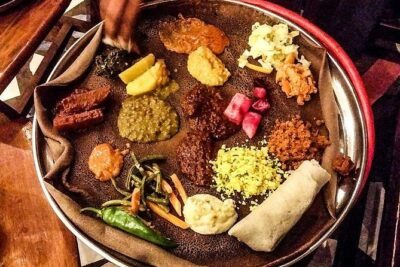
Unique Ethiopian Cooking Class and Coffee Ceremony with a Local in Addis Ababa
Read our review →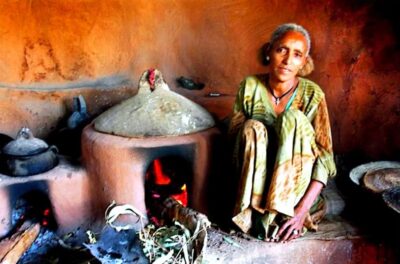
Private Ethiopian Home Cooking Class in Addis Ababa with Transfer
Read our review →Browse the lists this tour appears in