
Reviewed · OMO VALLEY TRIBAL TOURS
6 days Omo valley cultural Tour
The most striking part of this six-day trip is its range. You move from Dorze weaving villages and Konso terraces to Mursi settlements, Hamer ceremonies, and Karo body painting, seeing how different communities live across southern Ethiopia. I like the small group limit of eight and the chance to use remote routes with a local guide.
I also like the strong mix of culture and scenery, from the uphill drive to Chencha to sunset near the Omo River. The main drawback is the road time. Several days include four to six hours of visits and driving, so you need moderate physical fitness, patience, and a taste for basic, fast-changing travel conditions.
Key points at a glance
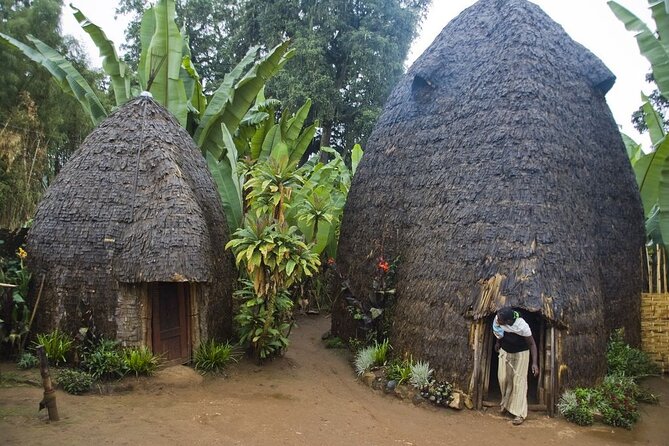
- Dorze bamboo houses: See tall, beehive-shaped homes, enset gardens, spices, cabbage, and the weaving tradition that made Dorze cloth famous.
- UNESCO-listed Konso: Visit stone-walled villages and communal terraces shaped by generations of careful farming.
- Mago and Mursi culture: Reach a Mursi settlement inside Mago National Park, where low straw homes and distinctive adornment form part of daily identity.
- Hamer markets and ceremonies: Visit Turmi, Key Afer, Dimeka, and possibly a bull-jumping or wedding ceremony when timing allows.
- Karo artistic traditions: Learn about body painting, scarification, beadwork, and headdresses among one of the Lower Omo region’s smallest communities.
- Small-group road trip: Travel in an air-conditioned vehicle with an English-speaking guide, with space for no more than eight people.
A six-day route through southern Ethiopia

This is not a quick city tour with a few staged cultural stops. It is a long road journey through the Omo region, built around village visits, markets, museums, and contact with several distinct ethnic groups.
The price is $1,250 per person. That is a serious sum, but the package includes an air-conditioned vehicle, an English-speaking guide, breakfast for six mornings, dinner, admission fees where listed, and taxes. Pickup is offered, and group discounts may be available. The value depends largely on how much you want the planning, transport, and local access handled for you.
The group size matters. With up to eight people, you should have more room for questions and conversation than on a large bus tour. The operator has also been praised for handling changes and personal requests, which is useful on a route where timing can shift.
More Omo Valley Tribal Tours in Addis Ababa
- 6 Days Omo Valley Tribes Tours From Addis Ababa
★ 5.0 · 33 reviews - 3 Days Omo Valley Tour
★ 5.0 · 24 reviews - Danakil Depression, Lalibela, Omo Valley and Simien Mountains
★ 5.0 · 23 reviews
Day one: Dorze homes and highland farming
The first major stop is Dorze Village near Chencha, reached by about an hour of uphill driving. The change in altitude and setting gives this day a different feel from the hotter Omo Valley stops later in the trip.
The Dorze belong to the Omotic language group. Their older warrior tradition has given way largely to farming and weaving, and woven cotton cloth is central to their reputation. The village visit focuses on everyday design rather than grand monuments. You see gardens of enset, also called false banana, along with spices, cabbage, and tobacco.
The tall bamboo homes are the visual highlight. Their beehive shape can reach about 12 meters, with a projecting front section used as a reception room. These buildings are practical as well as memorable, and they show how local materials can serve several purposes in one household.
Allow three hours for this stop. That gives you time to look at the houses and gardens without turning the visit into a rushed photo stop. Ask your guide to explain the weaving process and the role of enset in local life. The listed admission fee is included.
Day two: Konso terraces and Ari village life
Day two begins at the Konso Cultural Centre. Konso is one of Ethiopia’s UNESCO World Heritage sites, known for stone-walled settlements and communal terrace systems.
The terraces are more than a scenic backdrop. They reflect organized cooperation and long-term farming practice, with stonework used to manage soil and water. A three-hour visit gives you a useful introduction to how the Konso community has shaped its surroundings over time.
This is one of the strongest cultural stops for visitors who want more than portraits and ceremonies. The focus is on settlement design, agriculture, and shared work. Wear shoes that can handle uneven ground, since the tour requires a moderate level of fitness and village visits are not presented as fully accessible.
Later, in Jinka, you visit an Ari village. The Ari are the largest group in the middle Omo Valley, and the stop focuses on food preparation and daily life. Ari women are known for pottery and for skirts made from enset fiber.
This two-hour visit is free of an admission charge. It is a good counterpoint to the more dramatic Mursi and Hamer encounters because it centers on household skills and work. You may find this stop quieter and less visually theatrical, but that is part of its value.
Day three: Mursi settlements inside Mago National Park
The Mago National Park excursion is one of the most anticipated parts of the route. It takes about four hours and includes a visit to a Mursi settlement.
Mursi homes are described as low structures made from straw leaves. The community is also known for striking adornment, including terracotta ornaments in expanded lower lips and earlobes among some women. These details are often what people remember, but the visit should not be reduced to unusual photographs.
Use your guide to understand the meaning of clothing, decoration, and household design. Ask before taking pictures, and follow any local instructions about where to stand or what to photograph. Cultural visits work best when you treat people as hosts and neighbors, not as displays.
The park visit carries an included admission fee. The route can be demanding, and the day combines road travel with time outside the vehicle. Keep your schedule open and bring only what you need for the day. The tour information does not list lunch as an included item, so check the arrangements before departure and budget for personal expenses.
In the afternoon, you drive toward Turmi, home of the Hamer people. The drive is part of the experience, but it also explains the need for stamina. This is not a compact circuit where every stop is close to the next.
Same country, a very different kind of day:
- Full Day Tour of Addis Ababa with Hotel Pickup and Drop-off
★ 5.0 · 430 reviews - Taste of Ethiopia
★ 5.0 · 406 reviews - Day Trip From Addis Ababa See Historical Monastery,Stunning Nature,Animals,Birds
★ 5.0 · 303 reviews - Addis Ababa: Debre Libanos, Blue Nile Gorge, and Cave Tour
★ 4.5 · 256 reviews
Turmi, Key Afer, and Dimeka markets
Turmi gives you access to Hamer village life, including homes, music, coffee, and clothing. Hamer women are known for distinctive hairstyles and necklaces, with jewelry carrying social and personal meaning.
Market timing is important here. Key Afer market day is Thursday, while Dimeka market day is Saturday. Dimeke is also listed as a Saturday market. Since the six-day schedule includes both Turmi and Dimeka, confirm the exact dates before booking if markets are a priority for you.
Markets add a useful layer to the cultural program. You see buying, selling, social contact, and practical goods rather than only formal village presentations. They can also be crowded and visually busy, so stay close to the guide and keep personal belongings secure.
The tour may also include the Hamer bull-jumping tradition or a wedding ceremony. The wording matters: these events are conditional, not guaranteed. Ceremonies follow local schedules, not a fixed tourist timetable. If one takes place during your visit, it can be a powerful cultural encounter, but you should not book this trip expecting a specific ceremony on a particular day.
Day four: Karo body painting and the Omo River
Day four focuses on the Karo people, who live along the Lower Omo River. A typical visit includes time in a Karo village, observation of farming or fishing, discussion of customs and beliefs, and a chance to see body painting, beadwork, scarification, and elaborate headdresses.
The Karo community numbers fewer than a thousand people, according to the tour information. Their artistic traditions are especially notable because decoration carries social and ceremonial meaning. Body paint is not simply a colorful surface for photographs. It can express identity, status, beauty, and participation in a community event.
The program may include a traditional meal and can end with views of the Omo River at sunset. Treat those elements as possible parts of the day rather than fixed promises, since the exact program may depend on local conditions.
Photography requires tact. Ask permission, listen to your guide, and be prepared to put the camera away. You will get more from the visit if you make room for conversation and observation instead of trying to record every moment.
Later, you return to a Hamer village near Turmi. This second Hamer visit lets you spend more time with housing, music, coffee, and family life. The listed duration is three hours, enough to go beyond a brief introduction if the schedule runs on time.
Day five: another look at Karo culture and Jinka’s museum

Day five returns to Karo territory before the drive back to Jinka. The Karo visit lasts about six hours including the journey, so this is another full day on the road.
The second look can be useful because the Karo program covers several subjects: body painting, scarification, farming, fishing, beadwork, and ceremonial customs. You may see different details from the previous day, or the same themes from a new setting. The schedule also includes the Dimeka market if it is Saturday.
The market stop is free of an admission charge. It gives you another chance to see regional trade and community contact in practice. Keep expectations flexible. A market visit is shaped by the day’s activity and local timing, not by a standard performance schedule.
Back in Jinka, the ethnological museum provides context for the many nations and nationalities of southern Ethiopia. This is a smart addition after several village visits. It can help you connect what you have seen with the wider cultural picture rather than treating each group as an isolated stop.
The museum visit takes about two hours and has no listed admission charge. If you are tired after the Karo drive, it may feel like a lot of information at once. Still, it gives the route a useful educational finish.
Day six: Addis Ababa, shopping, and a farewell meal
The final day returns you to Addis Ababa for shopping and a farewell gathering. The day includes a cultural dinner, a traditional buffet, and local drinks, followed by airport transfer for an international departure.
This closing meal is a practical way to end the trip. After several days of road travel and village visits, you can sample Ethiopian food in a more relaxed setting and think back over the different communities you have seen.
The schedule allows about six hours in Addis Ababa. Confirm the exact airport timing before you buy a same-day onward flight, since road conditions and the return journey can affect the day. The tour includes breakfast for six mornings and dinner, while personal expenses are excluded. Set aside money for shopping and any other items not covered by the package.
How the price works for you
At $1,250 per person, this tour is best judged as a private-style regional journey rather than a low-cost sightseeing package. You are paying for a vehicle, a guide, route planning, local visits, included fees, and the convenience of moving between far-flung places without arranging each segment yourself.
The air-conditioned vehicle is important. Southern Ethiopia involves long drives, and comfort becomes more valuable as the days accumulate. The group cap of eight also helps keep the experience more manageable than a large coach tour.
The package does not include personal expenses. The information also does not clearly specify every meal beyond breakfast and dinner, so ask about lunches, drinks, and any local photography fees before you go. Free cancellation is available until 24 hours before the start time. Inside that window, the amount paid is not refunded. Poor weather or failure to meet the minimum group size can lead to a new date, a different experience, or a full refund.
Who will enjoy this route most
I would recommend this trip to you if you want cultural variety and accept long drives as part of the price. It suits people who are curious about farming, weaving, pottery, architecture, ceremonies, clothing, and regional trade.
It also suits solo visitors who prefer some support on a demanding route. One review describes a woman traveling alone with confidence because the driver was kind and drove safely. That is encouraging, though you should still confirm the final group arrangement and guide details before departure.
You should think twice if you need a slow schedule, guaranteed comfort, or fixed access to a particular ceremony. The days are full, the route is remote, and some highlights depend on local timing. A moderate fitness level is required, and the itinerary contains several four to six-hour blocks.
Should you book the six-day Omo Valley tour?
Book it if you want a focused introduction to southern Ethiopia with a local operator, a small group, and a broad range of cultural encounters. The strongest features are the Dorze homes, Konso terraces, Mursi settlement, Hamer villages and markets, Karo traditions, and the Jinka museum.
Before paying, ask for the expected accommodation details, lunch arrangements, exact guide and driver names, and the likely market dates for your travel period. If you are comfortable with long road days and flexible ceremony timing, the route offers substantial value. If you want guaranteed events or a relaxed pace, choose a shorter and more settled itinerary.
FAQ
Where does the tour start?
The tour starts in Addis Ababa, with pickup offered. The stated start time is 7:30 am.
How long does the tour last?
The tour lasts approximately six days and ends in Addis Ababa with an airport transfer for international departure.
What is included in the price?
The price includes dinner, six breakfasts, an air-conditioned vehicle, all listed fees and taxes, and an English-speaking guide. Admission is included at stops where the itinerary specifically lists an admission ticket.
What is not included?
Personal expenses are not included. The supplied details do not clearly list every meal or incidental cost, so you should confirm those arrangements before departure.
How many people can join the tour?
The maximum group size is eight people. Group discounts may be available.
Which communities will I visit?
The route includes visits connected with the Dorze, Konso, Ari, Mursi, Hamer, and Karo peoples.
Are market visits included?
The route includes markets at Key Afer, Dimeka, and other local locations when the schedule matches market day. Key Afer market day is Thursday, and Dimeka market day is Saturday.
Can I cancel for a refund?
You can cancel at least 24 hours before the start time for a full refund. Cancellations or changes made less than 24 hours before the start time are not refunded or accepted. If poor weather or an insufficient minimum group causes cancellation, you will be offered another date or experience, or a full refund.
More 6-Day Experiences in Addis Ababa
- 6 Days Lalibela, Omo Valley and Harar
★ 5.0 · 15 reviews - 6-Day Omo Valley Cultural Private Tour
★ 5.0 · 6 reviews - 6 day Omo ValleyTours
★ 5.0 · 5 reviews - 6 days 5 nights Addis Abeba sightseeing & Lalibela Rock-Hewn Churches
★ 5.0 · 3 reviews
More Historical Tours in Addis Ababa
- Hidden Treasures of Addis Ababa – Food, Culture and History Tour
★ 5.0 · 57 reviews - Northern Ethiopia Historic Route
★ 5.0 · 12 reviews - 5 Days Tour to World Heritage–listed Harrar, Dire Dawa and Awash NATIONAL PARK
★ 4.5 · 10 reviews - DAY TRIP TO THE UNESCO HERITAGE SITE TIYA & Melka Kunture
★ 4.5 · 10 reviews
Just added around Addis Ababa
- Yod Abyssinia Cultural Night: Dinner, Music, and Dance★ 5.0 · 7 reviews
- Stunning Views Wonchi Crater Lake a Private Day Trip★ 5.0 · 3 reviews
- Locally crafted beer and wine tasting and nightlife in Addis tour★ 5.0 · 6 reviews
- Two days Lake Wenchi and Menagesha Forest★ 5.0 · 3 reviews
- 3-Day Cultural Tour in South Omo Valley★ 5.0 · 4 reviews
- Addis Ababa City Tours Full-Day Tours★ 5.0 · 5 reviews
- South Omo Valley Tribes 8 Days Tour Package★ 5.0 · 4 reviews
- Day Trip to Tiya UNESCO Site & Melka Kunture Archaeological Site★ 4.5 · 3 reviews
Omo Valley Tribal Tours, compared.

6 Days Omo Valley Tribes Tours From Addis Ababa
Read our review →
Lalibela, Axum, Danakil and Omo Valley 8 DAYS
Read our review →

3 days around Arbaminch and Konso Adventure Tours Life Time
Read our review →Danakil Depression, Lalibela, Omo Valley and Simien Mountains
Read our review →


Browse the lists this tour appears in